Free Estimate Invoice Template
Estimate first, then invoice the approved work
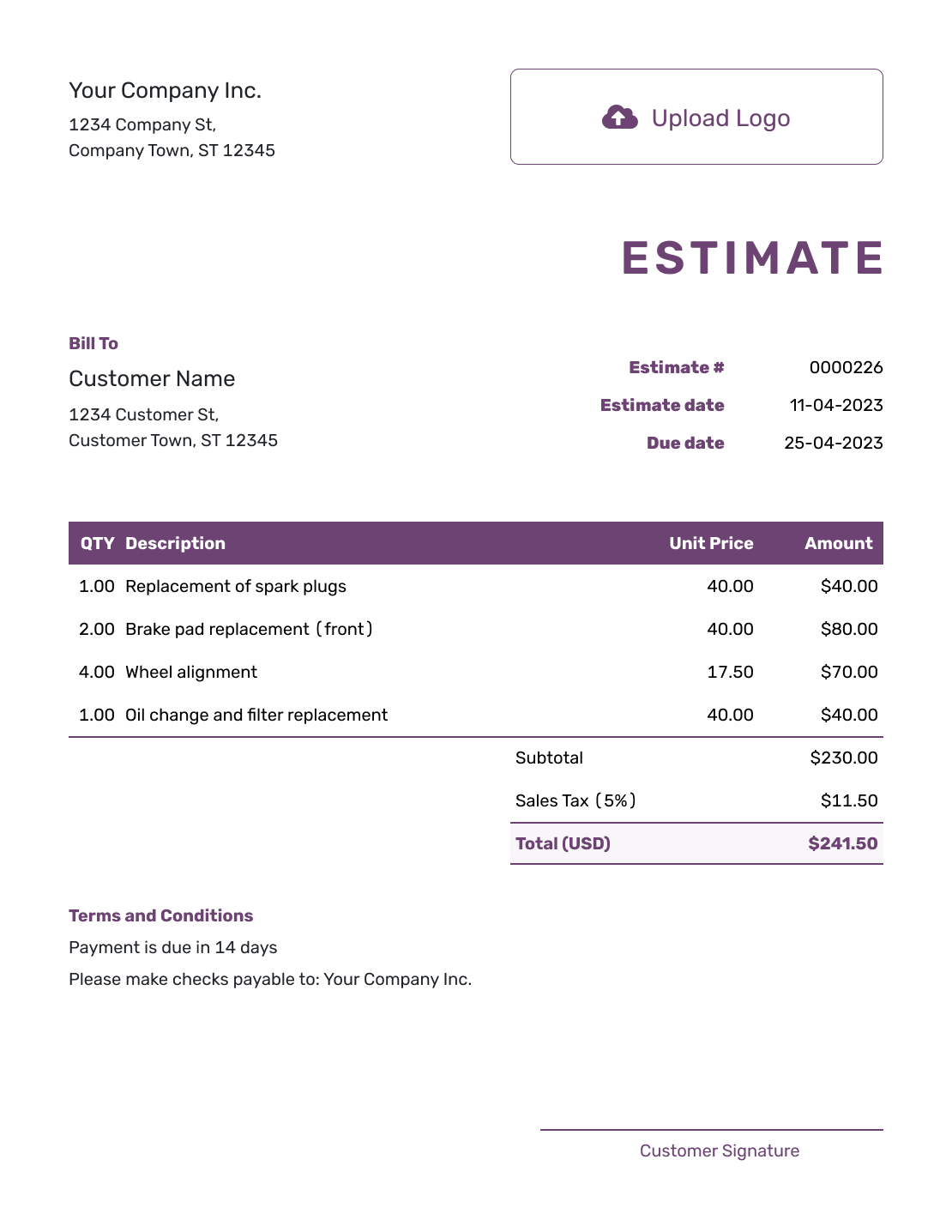
Estimate the expected work and likely price before billing begins. Customers can review the job first, making it easier to approve the work and choose your business.
Create the estimate first. When it is accepted, turn it into an invoice.
14-day free trial. No credit card required.
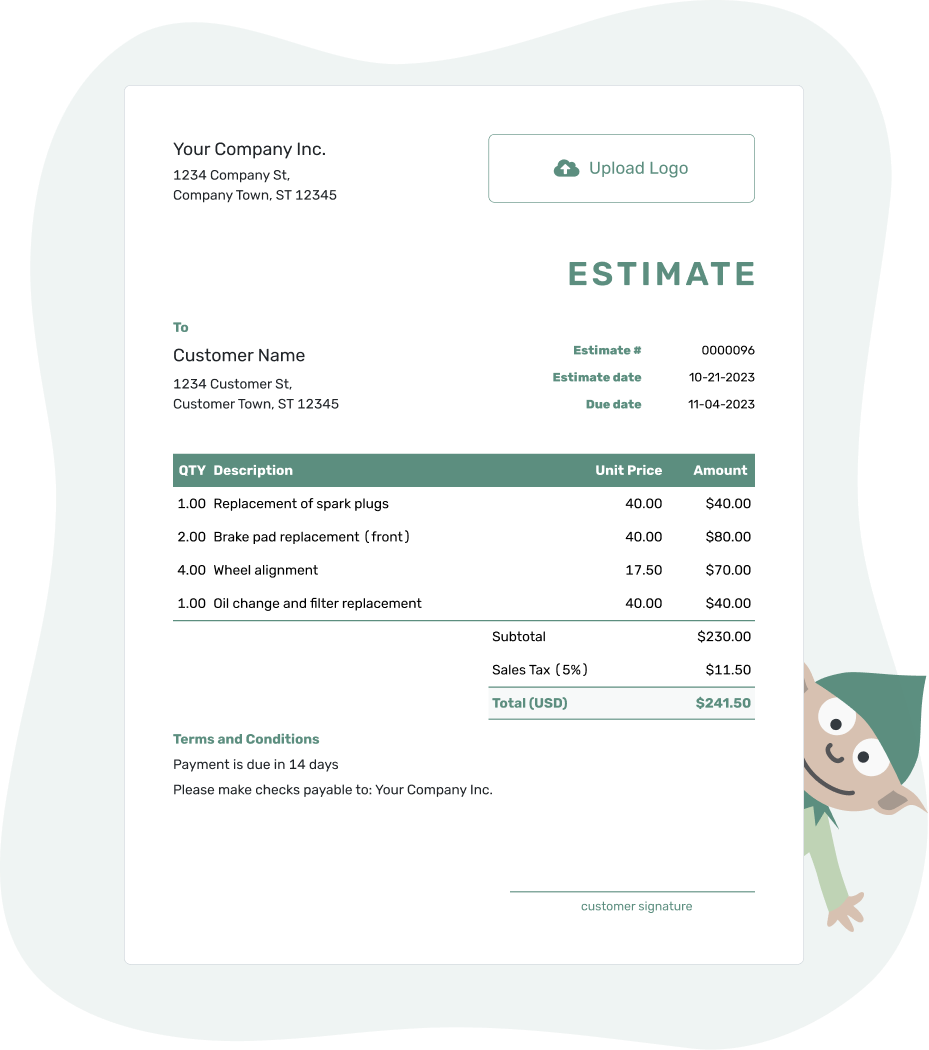
Price the job. Send the estimate. Get back to work.
Estimate, Invoice, or Receipt?
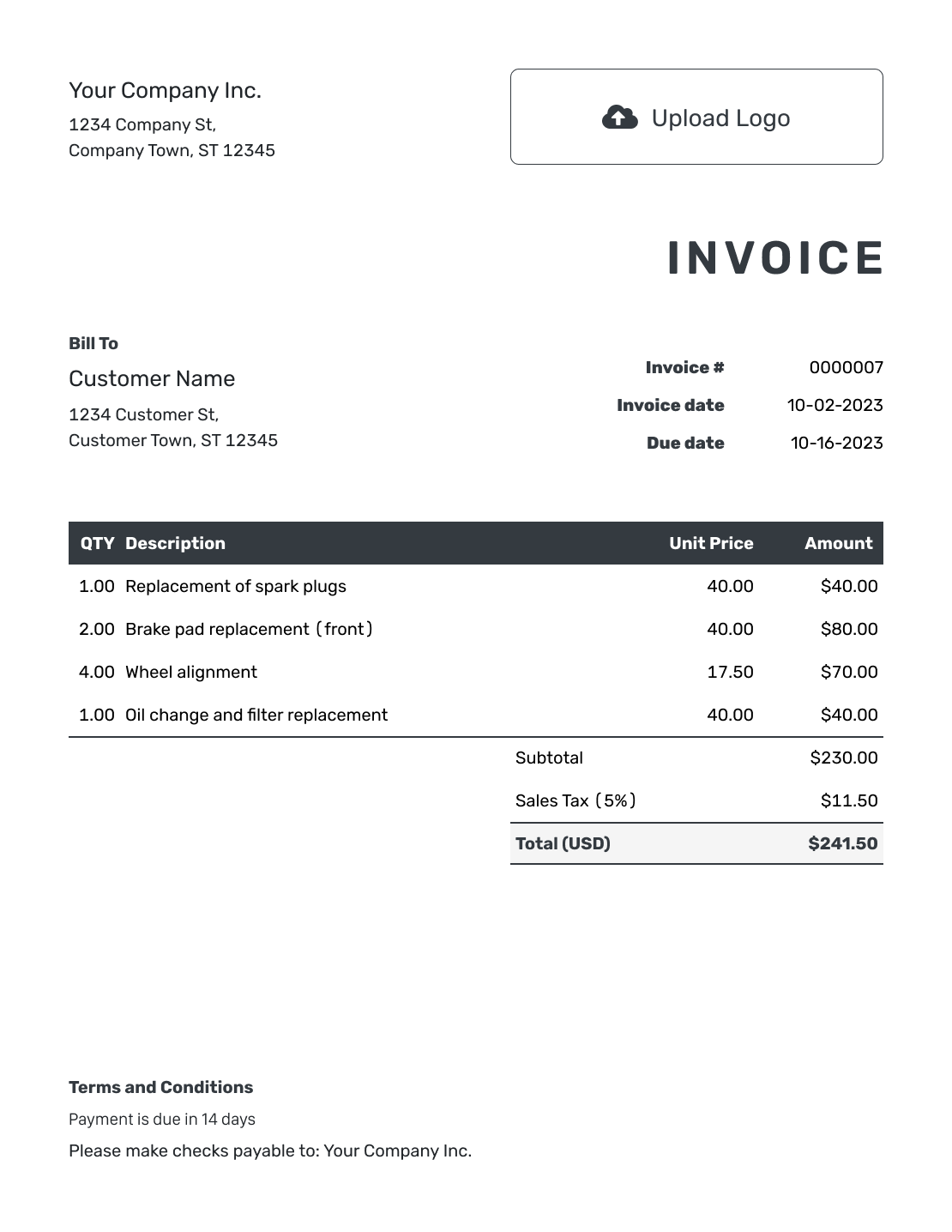
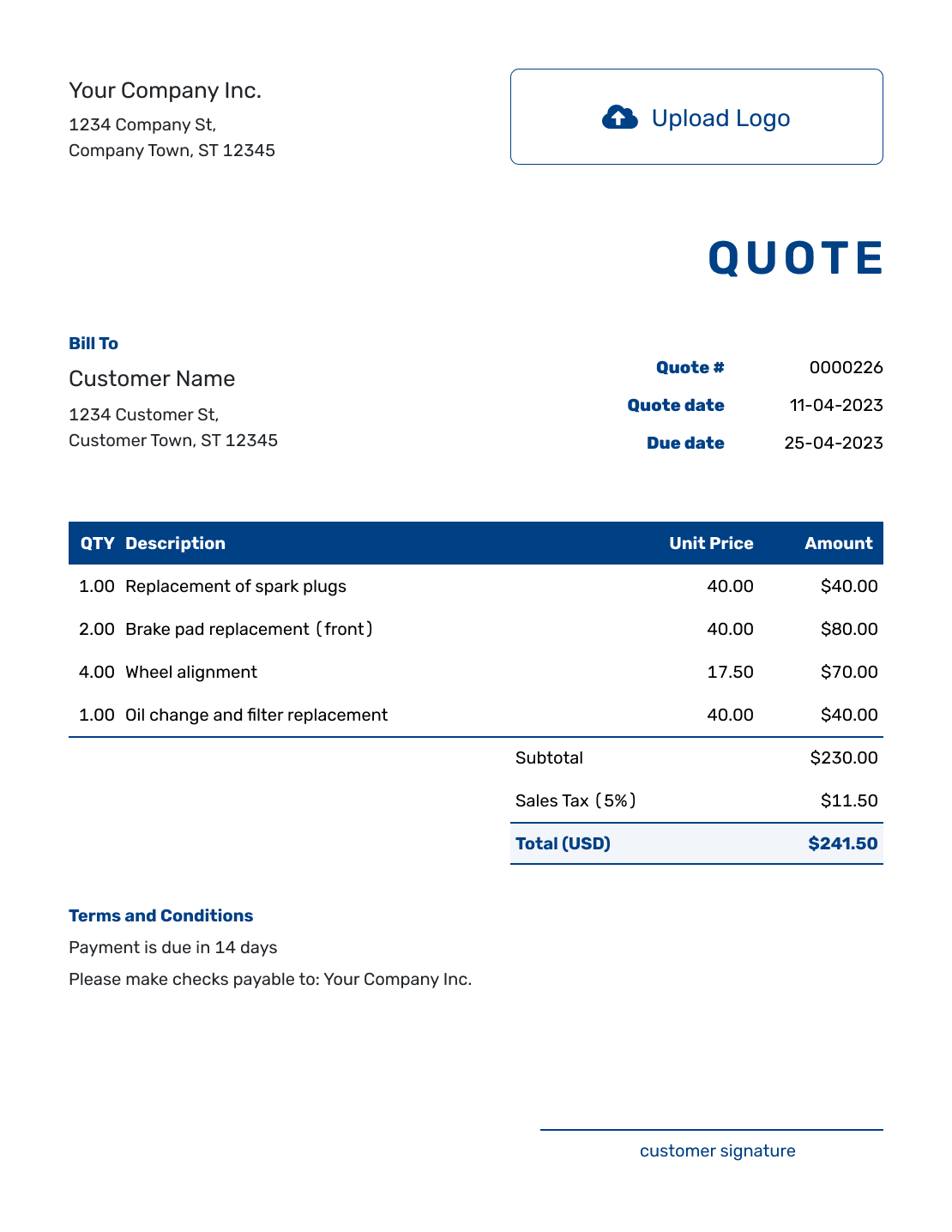
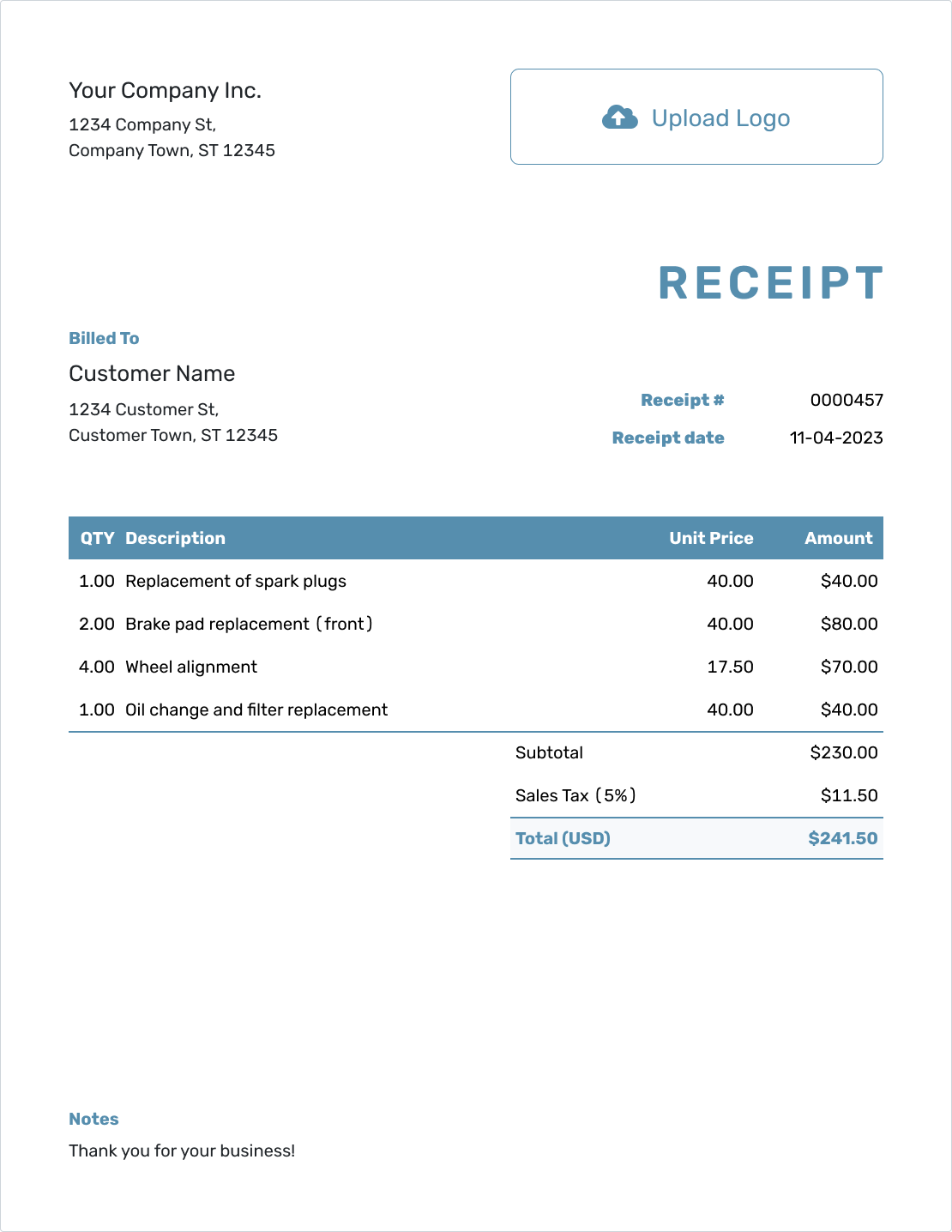
Use the document that matches the business step. The estimate prices expected work, the invoice asks for payment, and the receipt confirms payment.
Estimate vs. Invoice at a Glance
The customer should never have to guess whether they are reviewing a likely price or a bill. Keep the title, timing, amount, and next action clear.
| Question | Estimate | Invoice |
|---|---|---|
| What is its purpose? | Show expected work and a likely price | Ask for payment |
| When is it sent? | Before billing, while the customer is reviewing the work | When the agreed payment is due, including a deposit or completed stage |
| What amount does it show? | A likely total based on the current scope and assumptions | The amount due for the work being billed now |
| What does the customer do? | Review, ask questions, accept, or decline | Review the due date and pay |
| What happens next in Docelf? | Create an invoice from the estimate | Record payment and create a receipt when needed |
Use the Estimate Before Billing Begins
The estimate gives the customer time to review what you expect to do and what it is likely to cost. It is the right place for scope, allowances, assumptions, exclusions, timing, and a response deadline.
A valid-until date is a deadline for reviewing the estimate. It is different from an invoice due date, which tells the customer when to pay.
Create the Invoice When the Work Is Ready to Bill
Create the invoice when payment is due under your agreement with the customer. Docelf copies the relevant customer, item, price, and document details from the estimate, giving you a starting point to review.
For a deposit or staged job, bill only the agreed portion. Keep track of earlier invoices so the same work is not charged twice.
How to Go From Estimate to Invoice
Agree on the expected work and likely price, then review the billing details when payment is due. Creating or editing a document does not email it; you choose when to send.
- Create the Estimate: Add the customer, expected work, quantities, prices, assumptions, and terms before billing.
- Check the Likely Price: Review the line amounts, discounts, taxes, and total the customer will see.
- Set Review Details: Add a valid-until date or response deadline when the price should be reviewed by a certain date.
- Send the Estimate: Email it or download the PDF so the customer can review the work and likely price.
- Revise When Needed: Update the scope, quantities, prices, or assumptions if the expected job changes.
- Create the Invoice: When payment is due, create the invoice from the estimate.
- Check and Send the Bill: Check the work, invoice number, date, due date, and amount. Add payment instructions in Terms and Conditions, then send.
Follow the Estimate Through to the Final Bill
Keep the estimate as your view of the expected job. Before sending the invoice, compare its copied line items with the work and costs you are actually billing.
This fictional estimate covers installing four heavy-duty shelving bays in a workshop. Prices are in US dollars, with an illustrative 8% tax on all four charges; use the tax treatment that applies to your job.
| QTY | Description | Unit Price | Amount |
|---|---|---|---|
| 1 | Workshop assessment and shelving layout | $250.00 | $250.00 |
| 12 | Shelving assembly and installation — hours | $85.00 | $1,020.00 |
| 1 | Four shelving bays and fixings — allowance | $1,400.00 | $1,400.00 |
| 1 | Lifting equipment rental | $350.00 | $350.00 |
| Subtotal | $3,020.00 | |
| Tax (8% illustrative) | $241.60 | |
| Estimated Total | $3,261.60 |
Suppose the shelving is installed as planned, but the bays and fixings cost $1,280.00 rather than the $1,400.00 allowance. Update that line on the invoice. With the other charges unchanged, the subtotal is $2,900.00 and the illustrative 8% tax is $232.00, giving an invoice total of $3,132.00.
The $129.60 difference is the $120.00 reduction in materials plus $9.60 less tax. A short explanation helps the customer match the bill to the estimate.
Use Terms That Fit the Document
An estimate explains the assumptions behind the likely price. On the invoice, review Terms and Conditions so they describe the payment timing and instructions for the bill you are sending. A response deadline from the estimate is not a payment due date.
This sample belongs to the workshop shelving estimate above. Adapt it to the payment agreement your business actually uses.
Example: Terms and Conditions
- The estimate covers four workshop shelving bays, including the assessment, 12 assembly and installation hours, shelving and fixings, and lifting equipment rental.
- The $1,400.00 shelving and fixings allowance will be updated to the actual cost before invoicing.
- Additional work or changes to the expected price require customer approval before proceeding.
- Payment is due within 14 days of the invoice date after installation is complete.
Check These Details Before You Send the Invoice
The invoice starts with useful estimate details, but it still needs a billing review. Make sure it asks for the right amount at the right time.
Work Billed Now
Check the actual quantities and prices. Include only the work or agreed stage covered by this bill, with any approved changes clearly described.
Due Date and Payment Details
Add the due date, payment instructions, and any note the customer needs to understand when and how to pay.
Amounts and Earlier Billing
Check the line amounts, subtotal, applicable tax, and total. If you have already invoiced a deposit or stage, make sure this bill does not charge it again.
Billing Notes and Support
Use Terms and Conditions for payment instructions and relevant billing terms. Attach a useful approval or work summary when it helps the customer check the bill.
Start With the Estimate, Then Reuse the Details
Give the customer a clear estimate to review. When payment is due, use its details to start the invoice, then check the bill before sending.
After You Send the Estimate
- Check the history to see whether the emailed estimate was delivered and opened
- Revise and resend it if the customer asks for a change to the work
- Look for the acceptance or decline notification; Docelf updates the estimate status when the customer responds
Estimate, Invoice, and Payment Pages
Start with the estimate for pre-work pricing, use the invoice when payment is due, and create the receipt after recording payment.
Estimate Invoice Template FAQs
-
Is an estimate invoice one combined document?
In Docelf, they are separate documents with different jobs. The estimate shows expected work and a likely price before billing. The invoice asks the customer to pay an amount that is due.
-
Which comes first, the estimate or the invoice?
Send the estimate first when the customer needs to review the expected work and likely price. Send the invoice when payment is due under your agreement, whether that is a deposit, a completed stage, or the finished job.
-
Can an estimate ask for payment?
An estimate is for pricing work before billing. Use an invoice when you are asking the customer to pay. Keep the document title, due date, and payment details clear so the customer knows what action to take.
-
Can I create an invoice from an estimate in Docelf?
Yes. Docelf copies the relevant customer, item, price, and document details into the invoice. Review the due date and billed line items before sending it.
-
Do all estimate details have to stay the same on the invoice?
No. Review the invoice so it matches what you are billing now. Update changed quantities or costs, and explain any difference from the estimate. Check the due date and Terms and Conditions as well.
-
How do I handle a job billed in stages?
Keep the estimate as the expected cost for the whole job. Each invoice should identify the agreed stage and amount being billed. Check earlier invoices before sending the next one so you do not charge for the same work twice.
-
Can the customer accept the estimate online?
Yes. Customers can accept or decline estimates online without a Docelf account. The status updates when they respond, and Docelf emails you.
-
What happens after the invoice is paid?
Record the payment on the invoice. After recording payment, you can create a receipt from the invoice and keep the payment record connected with it.
Ready to Estimate First and Invoice Next?
Keep the job clear from the first price discussion to the bill.
- Show the expected work and likely price
- Reuse the details in the invoice
- Review the amount and due date before sending