Free Quote Estimate Template
Choose the right way to price the work
Use an estimate for a likely price and a quote for a specific offer. Choosing the right document makes the difference clear and helps move the job toward approval.
Use the guide below, then create the estimate or quote that fits the job.
14-day free trial. No credit card required.
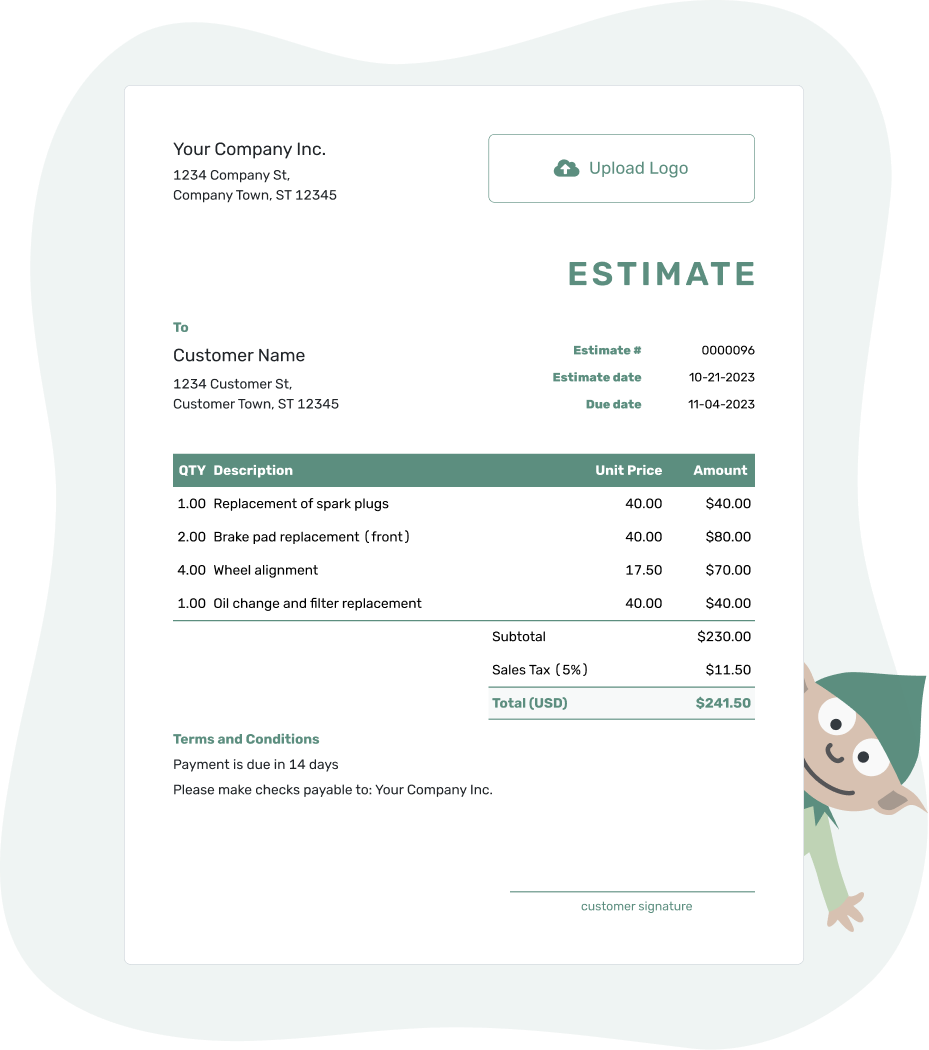
Price the job. Send the estimate. Get back to work.
Quote vs. Estimate at a Glance
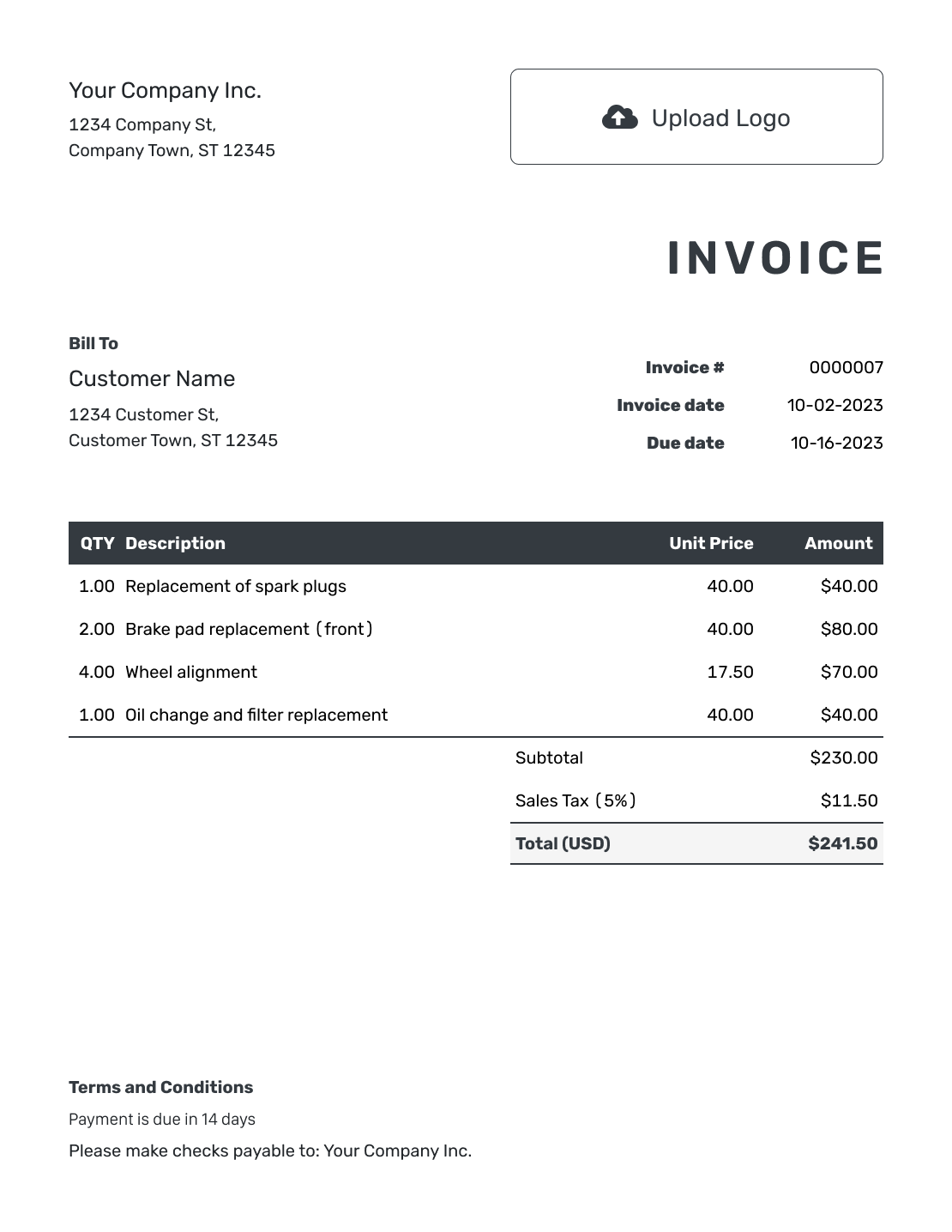
An estimate helps a customer plan around an expected price. A quote gives them a specific offer to accept or decline. Use an invoice when you are ready to request payment for work, products, a deposit, or a completed stage.
| Question | Estimate | Quote |
|---|---|---|
| What does it show? | Expected work and a likely price | A specific offer, price, scope, validity period, and terms |
| When does it fit? | When measurements, conditions, quantities, or choices can still change | When the work and price are specific enough for the customer to review as an offer |
| What explains the price? | Assumptions, allowances, expected quantities, and known costs | Included work, quantities, prices, exclusions, validity, and terms |
| How does the customer respond? | Review the likely price, ask questions, then accept or decline | Review the offer and terms, then accept or decline |
Use an Estimate While Details Are Still Open
An estimate fits when the expected cost depends on details you still need to confirm. Show how you reached the likely total and name the assumptions behind it.
- Repairs that may uncover additional damage or parts
- Renovation, demolition, excavation, or site work with hidden conditions
- Projects based on early measurements or customer choices
- Services where hours, visits, materials, or quantities can change
Use a valid-until date when the rates or costs should be reviewed again after a certain date. Revise and resend the estimate when a meaningful change affects the expected work or price.
Use a Quote When the Offer Is Specific
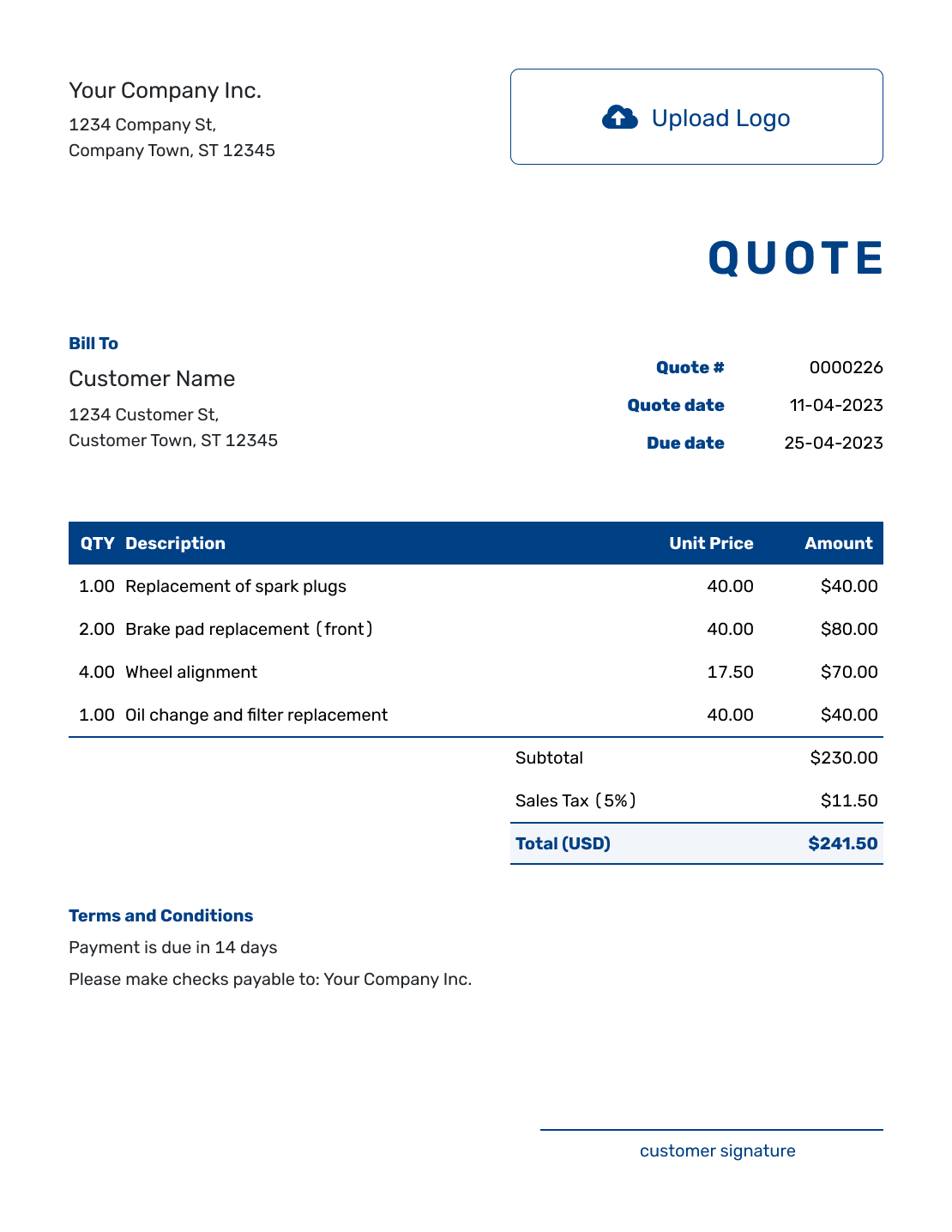
A quote fits work you can describe and price as a specific offer. The customer should be able to see what is included, what it costs, and how long the offer is valid.
- A defined service package or set of deliverables
- Known quantities, rates, products, or project phases
- Clear included and excluded work
- A price and terms the customer can review before they approve the offer
Ready to offer a defined scope and price? Create a free quote in Docelf.
The Same Job Can Start With an Estimate
A painter has seen photos of a living room, but has not measured it or checked the walls. An estimate can describe the expected preparation and painting, with the price based on approximate area and sound existing surfaces.
After a visit, the painter knows the room size, paint choice, and repairs needed. A quote can now offer the agreed preparation and two coats for a stated price, with wallpaper removal excluded. The useful change is the information behind the offer, not just the document title.
Start With the Work You Expect to Do
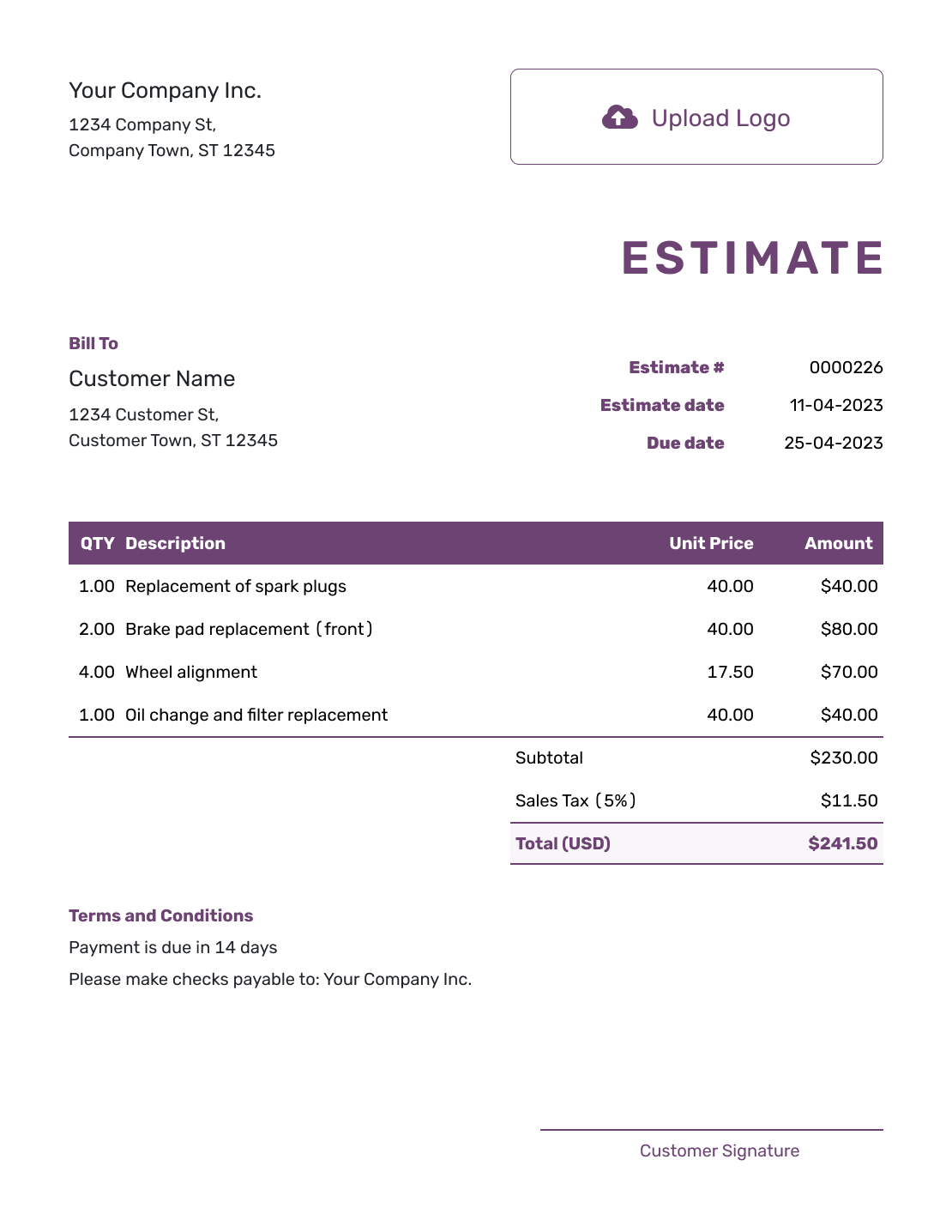
Add the likely quantities and rates, then explain what you still need to confirm. Docelf calculates the estimate total. Review it and send the customer a clear starting point.
How to Choose Between a Quote and an Estimate
Use the details of the job to choose the document. The estimate layout shown here helps you organize the price once you have made that choice.
- Describe the Work: Write down the main work, deliverables or service result the customer expects.
- Mark Unknowns: Identify measurements, conditions, choices or quantities that could still change.
- Judge Price Certainty: Use an estimate for a likely price and a quote for a specific offer.
- Choose the Document: Create the document that matches what you know and label it clearly.
- Add Price Details: List the work, quantities, prices, taxes and any important assumptions.
- Set Review Details: Add a response deadline and explain how changes will be handled when needed.
- Review and Send: Check the scope and total, then email the document or download it as a PDF.
What Both Documents Should Include
Whether you send a quote or an estimate, the customer should be able to understand the work, price, and next step without asking you to explain the whole document again.
- Your business and customer details
- A unique document number and date
- The scope, products, or services
- Quantities, descriptions, unit prices, discounts, taxes, and the total
- Assumptions or exclusions that affect what is included, explained in Terms and Conditions
- Expected timing, terms, and a valid-until date or response deadline when needed
- A clear way for the customer to ask questions or respond
After You Send the Quote or Estimate
- See when the customer opens the emailed document and whether they accept or decline
- Explain changes to scope or price, then send the update for the customer to review
- When it is time to bill, create an invoice from the estimate or quote and check its details
Estimate and Quote Templates and Guides
Start with the document family that fits the price you are presenting. Use the supporting pages when you need a completed example, a good faith estimate, an invoice next step, or a side-by-side quote review.
Quote and Estimate Template FAQs
-
What is a quote estimate template?
People often use the phrase quote estimate template when they need a document for pricing work before billing. The useful decision is whether the price is a likely estimate or a specific quote. This page helps you choose the document that fits.
-
What is the main difference between a quote and an estimate?
An estimate shows expected work and a likely price based on what is known. A quote presents a more specific offer with scope, price, validity, and terms. Use the wording that matches how certain the work and price are.
-
When should I use an estimate?
Use an estimate when important details can still change the scope or price. Repairs, renovations, site work, custom services, and jobs that need further inspection often begin with an estimate.
-
When should I use a quote?
Use a quote when you can present a specific offer the customer can review. State what is included, the price, how long the offer is valid, and the terms that apply.
-
Can customers accept estimates and quotes online in Docelf?
Yes. Customers can accept or decline estimates and quotes online without a Docelf account. The status updates when they respond, and Docelf emails you. You can also mark either document accepted or declined yourself.
-
Can I turn both an estimate and a quote into an invoice?
Yes. In Docelf, you can create an invoice from an estimate or a quote. Docelf copies the relevant customer, item, price, and document details into the invoice so you do not have to start again.
-
What should I do when the work or price changes?
Explain what has changed and how it affects the price. Update the scope, quantities, prices, assumptions, or terms, then send the new version for review. Agree the changed work with the customer before you proceed.
-
Can I email, print, or download both documents?
Yes. You can preview, print, email, or download estimates and quotes as PDFs in Docelf. You can also see when an emailed document is delivered and opened.
Ready to Price the Work?
Give the customer a useful price to review while you confirm the remaining details.
- Show the expected work and likely price clearly
- Keep assumptions close to the total
- Email the estimate or download a PDF