Free Estimate Example Template
See how a clear finished estimate reads
See how a finished estimate presents the job and likely total in a clear order. Use the example to shape your own estimate and improve your chance of getting the work.
Use the example below as a guide, then create your estimate in Docelf.
14-day free trial. No credit card required.
Price the job. Send the estimate. Get back to work.
Completed Estimate Template Examples
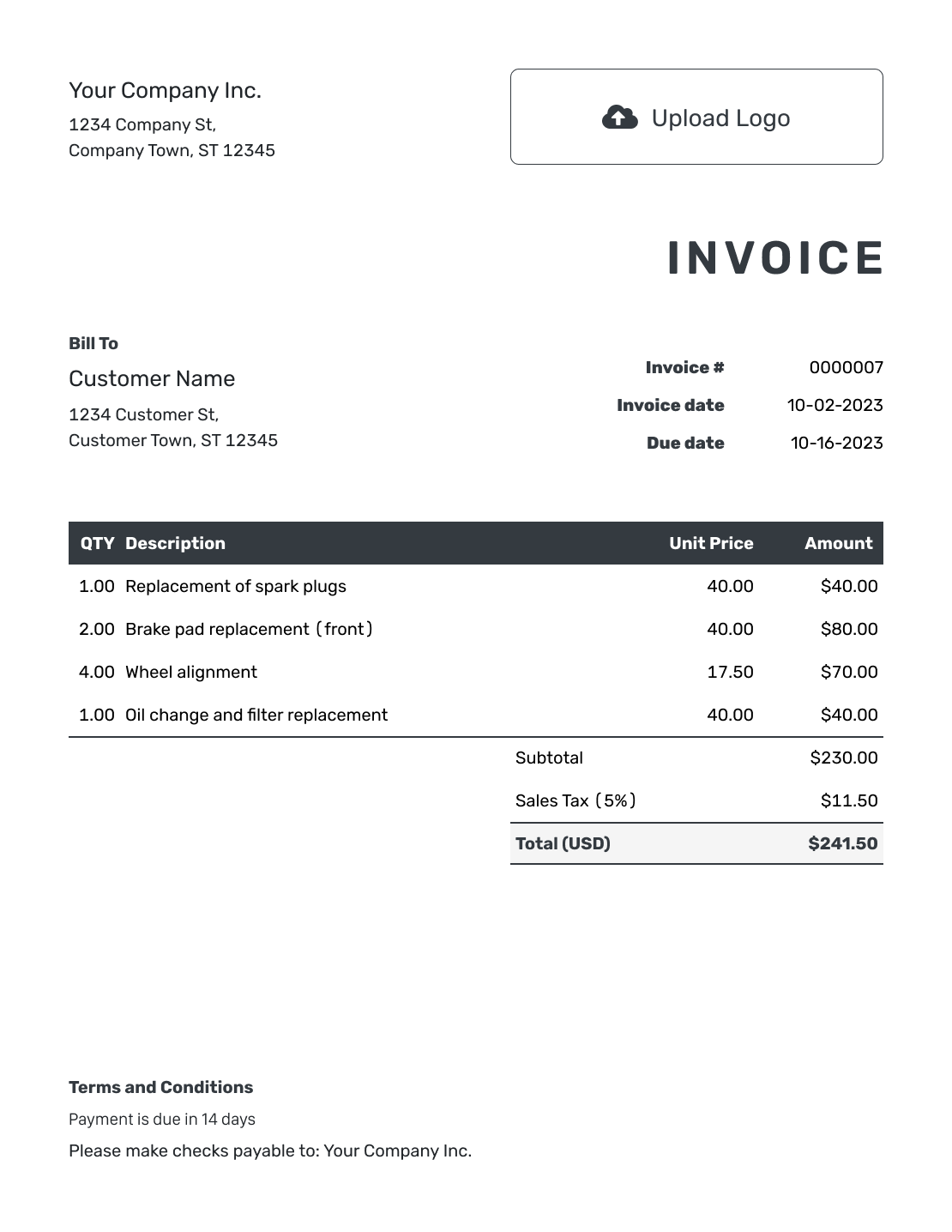
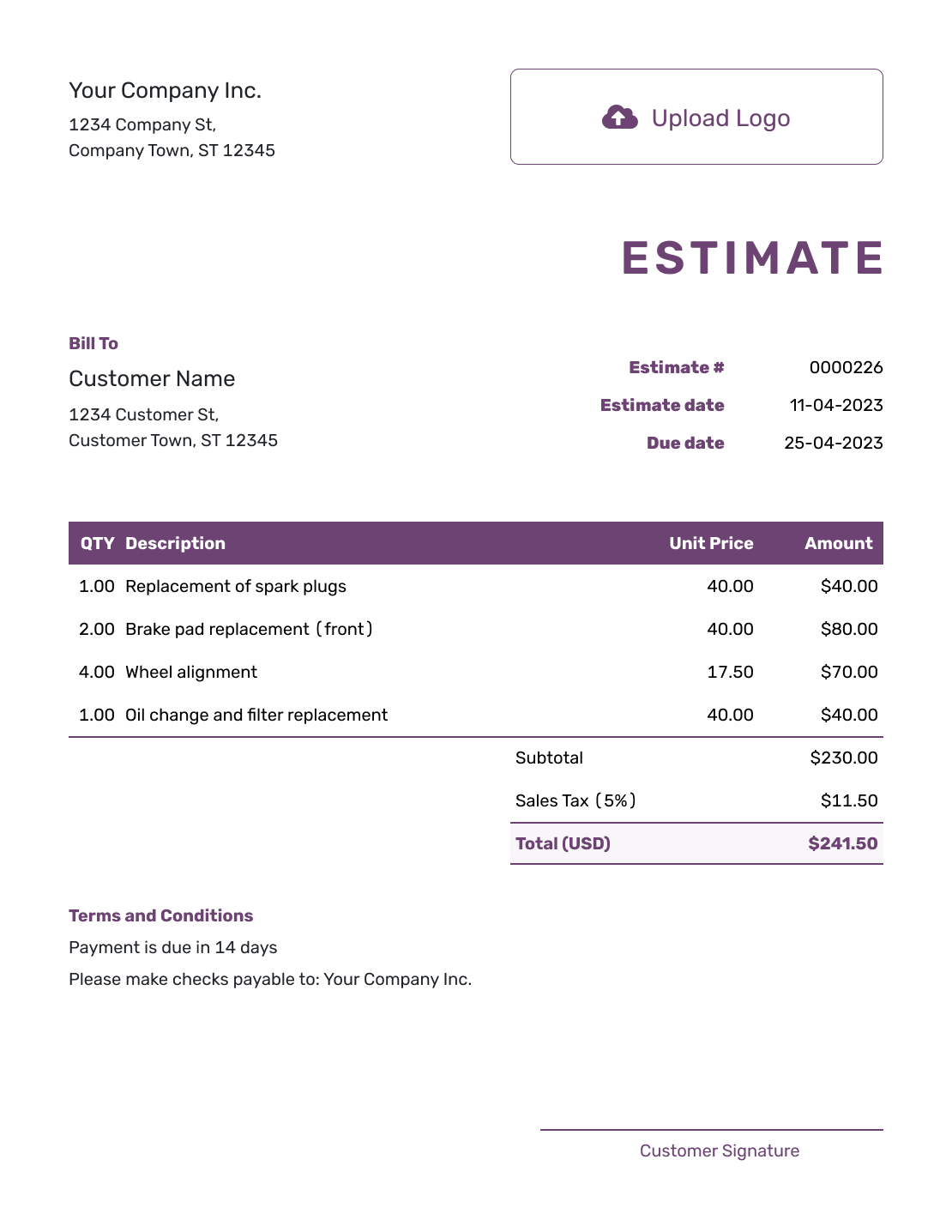
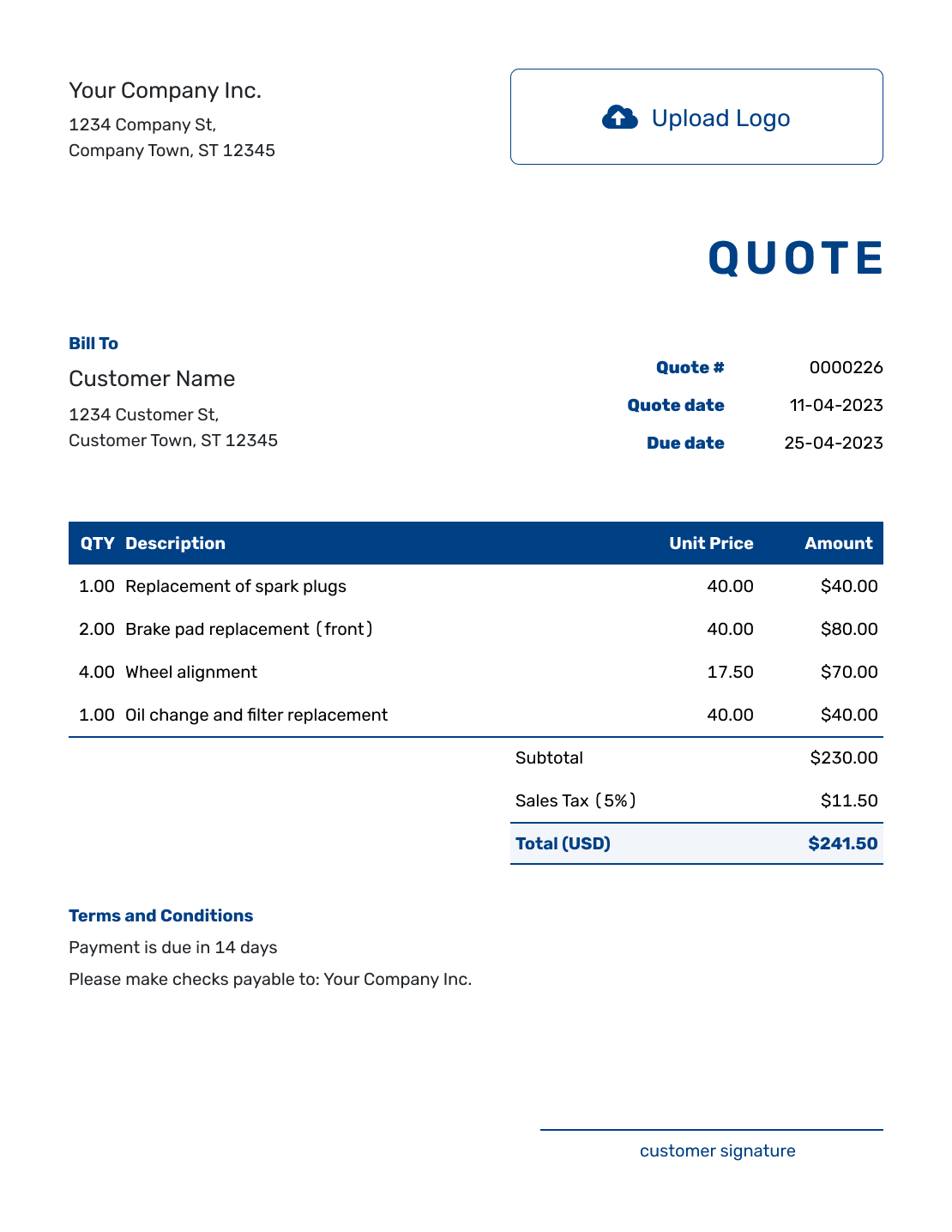
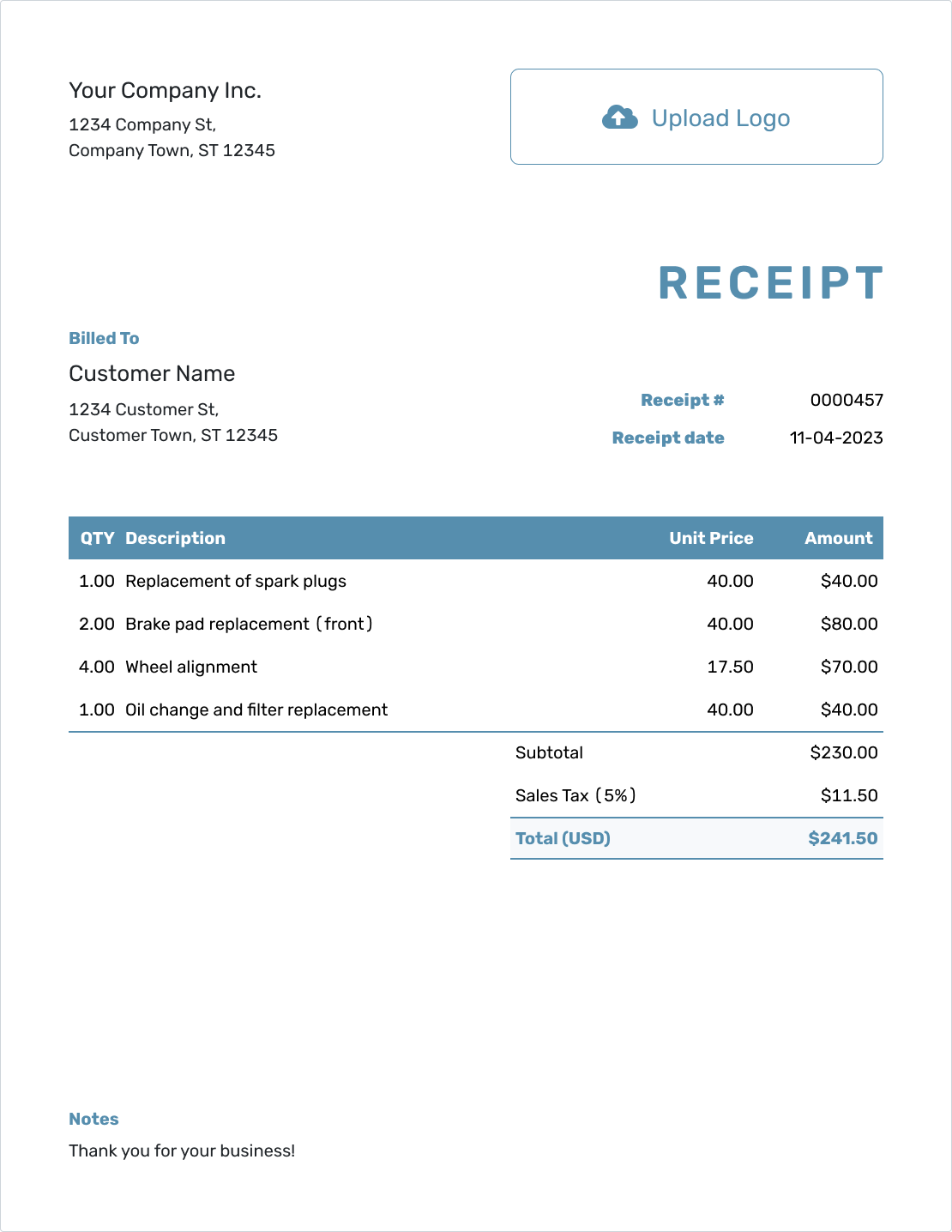
These previews show different ways to arrange an estimate. Each opens the same estimate editor; the completed painting example below shows how the details fit together.
-
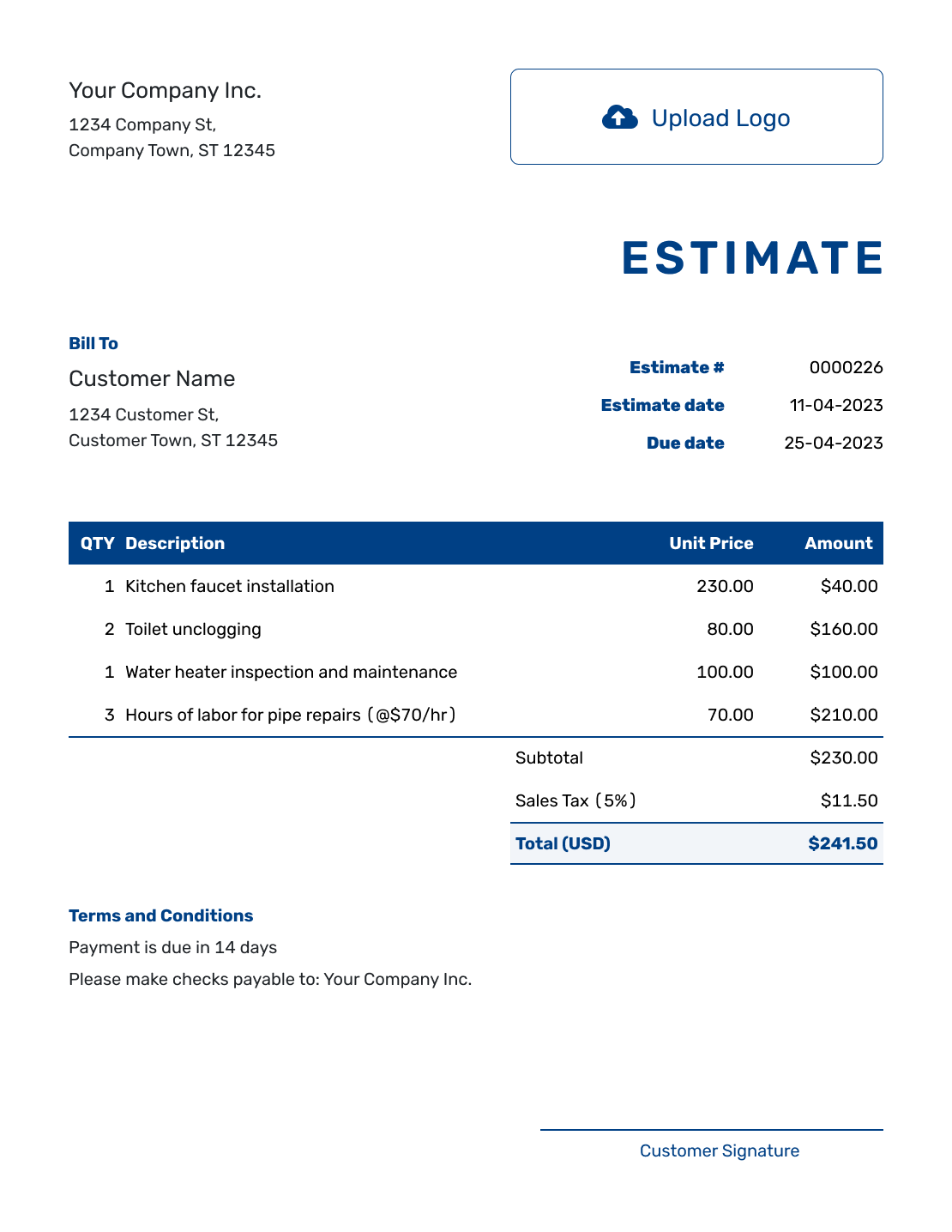
Sample Estimate Example Template
Create Free Estimate -
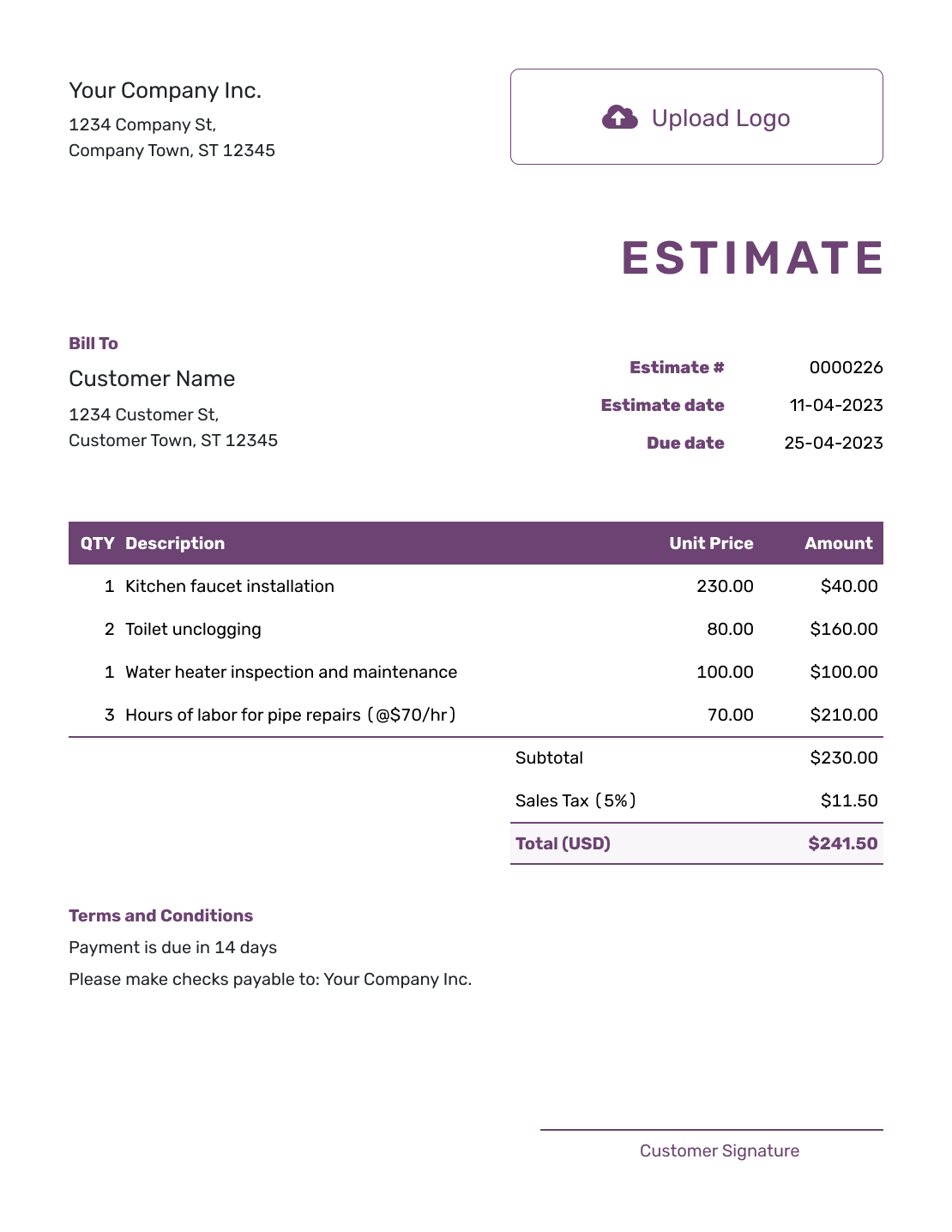
Free Estimate Example Template
Create Free Estimate -
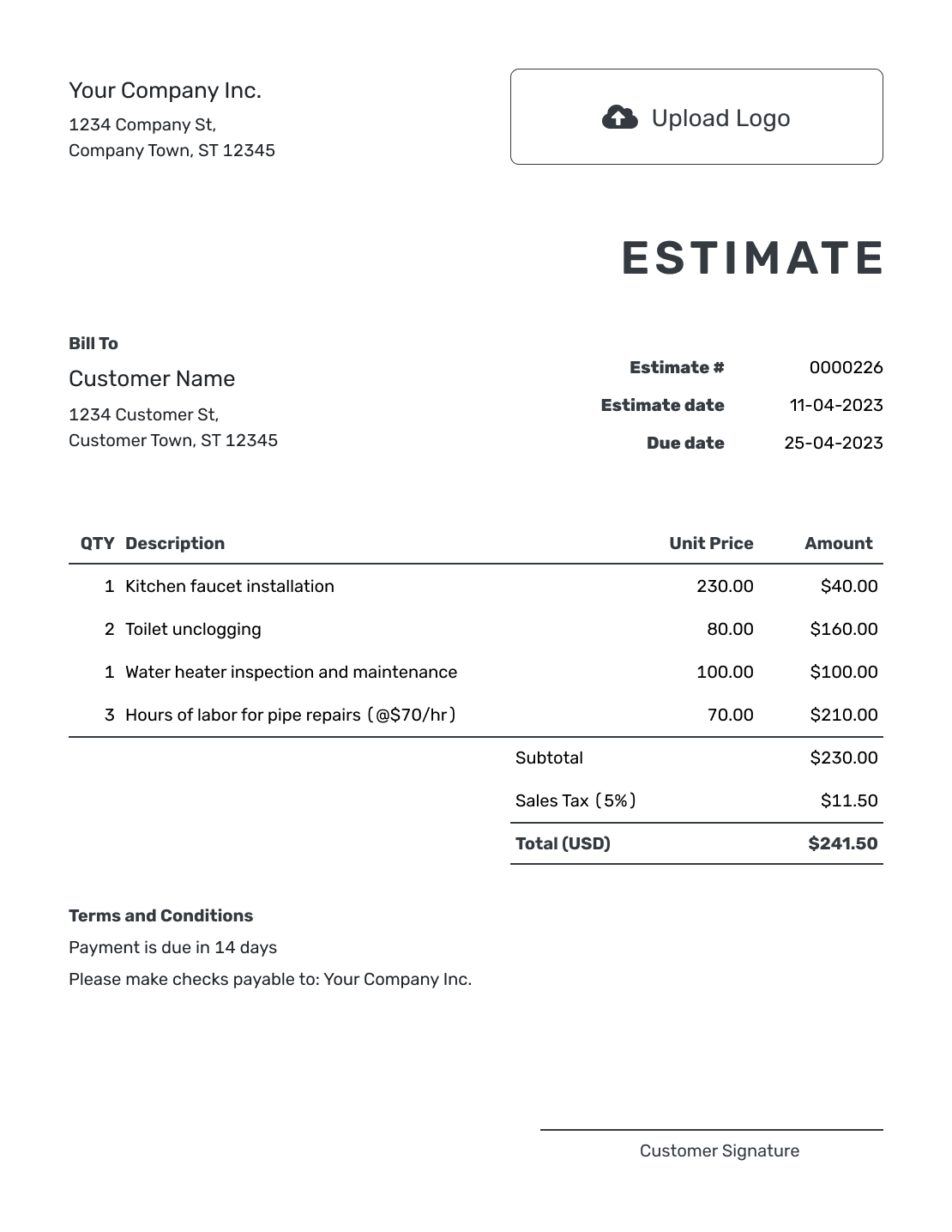
Printable Estimate Example Template
Create Free Estimate
See six more estimate layouts after the practical example.
What Is an Estimate Example?
An estimate example is a completed sample showing how a business can present expected work and a likely price before the job begins. It helps you see how the scope, costs, assumptions, and terms fit together.
A completed example lets you inspect the whole document before you write. A blank template gives you the fields and layout but leaves every job detail empty.
How to Replace the Sample Details With a Real Job
Read the completed sample once before editing. Then work through it section by section so no sample customer, price, date, or assumption remains.
- Choose an Example: Pick the finished layout that best matches the work and level of detail.
- Replace the Header: Add your business name, contact details and logo, and remove all sample information.
- Customer and Job: Enter the real customer and job or service address when needed.
- Number and Dates: Replace the sample number, issue date and response deadline.
- Scope and Prices: Replace the sample work, quantities, rates, prices and line amounts.
- Assumptions and Terms: Use Terms and Conditions for the assumptions, exclusions, timing, and terms that apply to your job.
- Check and Send: Remove leftover sample details, then email or download the estimate when it is ready.
A Simple Completed Estimate Example
The line items show how you reached the likely price. Describe the work clearly enough for the customer to see what each charge covers.
This fictional estimate is for repainting a living room and hallway. It is separate from the preview images, and all prices are in US dollars.
Business: Willow Painting. Customer: Jordan Ellis.
Estimate number: 1042. Estimate date: September 22, 2026.
Valid until: October 6, 2026.
| QTY | Description | Unit Price | Amount |
|---|---|---|---|
| 6 | Surface preparation (hours) | $75.00 | $450.00 |
| 24 | Painting labor (hours) | $75.00 | $1,800.00 |
| 1 | Paint and supplies allowance | $350.00 | $350.00 |
| Subtotal | $2,600.00 | |
| Tax (8% on materials, illustrative) | $28.00 | |
| Estimated Total | $2,628.00 |
The subtotal is $2,600.00. This example applies an illustrative 8% tax only to the $350.00 materials allowance, adding $28.00 for an estimated total of $2,628.00. Use the tax treatment that applies to your own work.
Explain the Assumptions in Estimate Terms
Use Terms and Conditions to explain what the price depends on. For this painting job, the wall condition and chosen finish matter more than a long list of general policies.
Adapt the sample to your own job and use only terms your business follows. Keep any relevant local requirements in mind.
Example: Terms and Conditions
- The estimate covers two coats on the living room and hallway walls. Ceilings and trim are excluded.
- Surface preparation includes small nail holes. Larger repairs will be priced for approval before work begins.
- The $350.00 paint and supplies allowance will be reviewed once the color and finish are confirmed.
- This estimate is valid until October 6, 2026. Changes to scope or price will be agreed before the additional work begins.
Copy the Structure, Then Price the Real Job
Follow the sample order with the real customer, work, and prices. Docelf handles the calculations while you check the assumptions and likely total.
Check Your Estimate Before Sending
- Replace sample names and addresses with your business, customer, and job details
- Use the correct estimate number, issue date, and response deadline
- Check that the descriptions cover the expected work without unrelated sample items
- Review quantities, prices, tax, and the estimated total for your job
- Keep only assumptions, exclusions, timing, and terms that apply
- Preview the finished estimate and make sure long descriptions and terms are easy to read
More Finished Estimate Layouts
Choose a layout with enough room for your descriptions and terms. Use your own job details and prices in the editor.
-
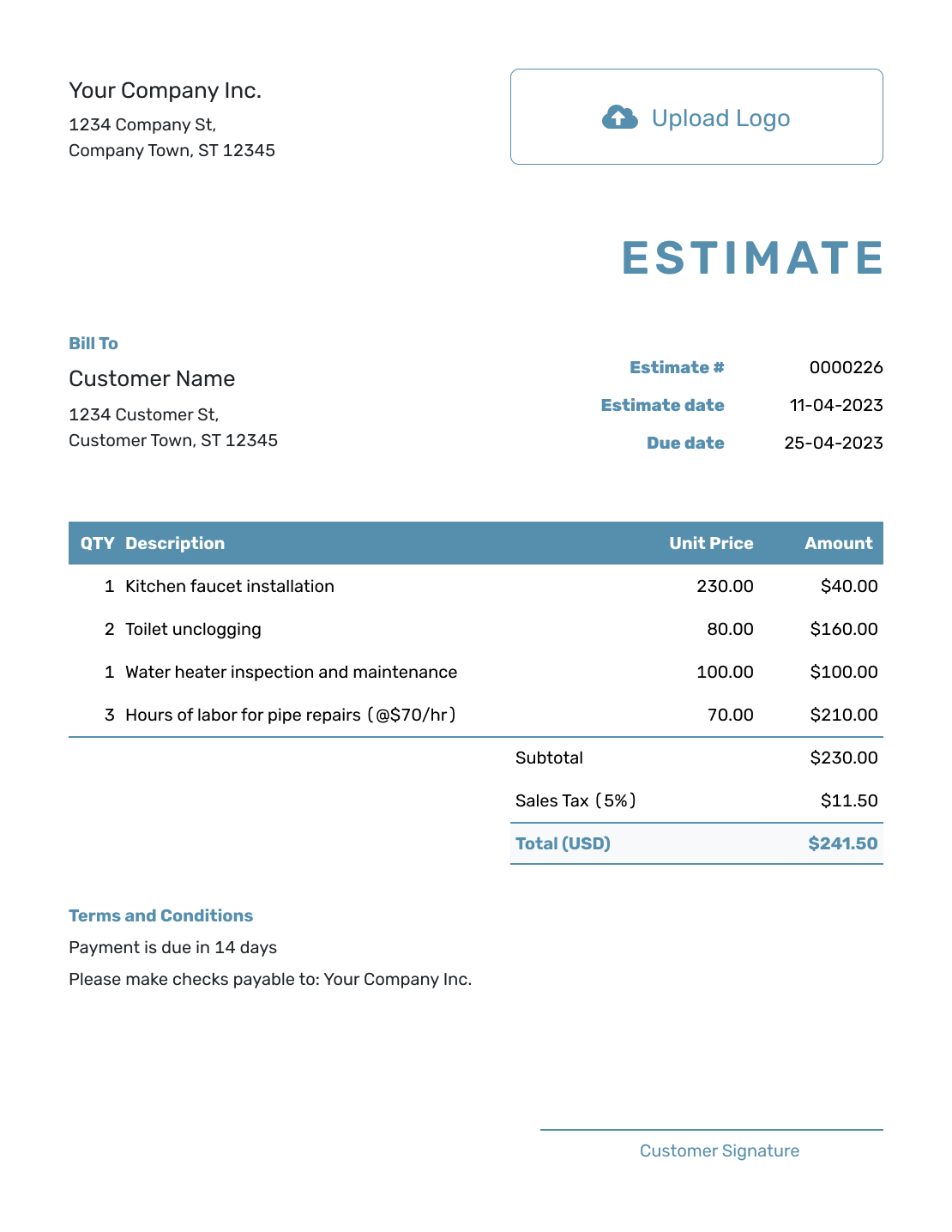
Blank Estimate Example Template
Create Free Estimate -
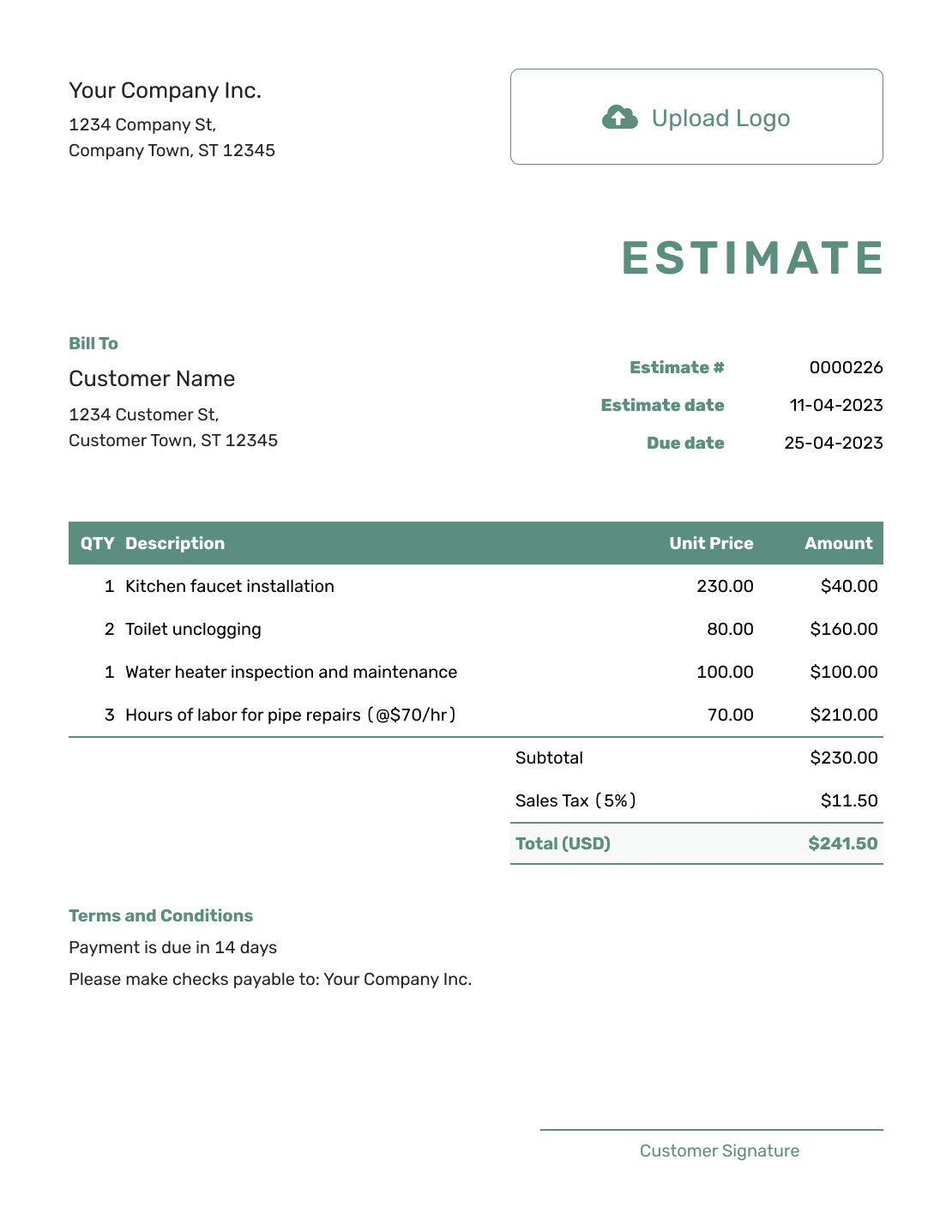
Simple Estimate Example Template
Create Free Estimate -
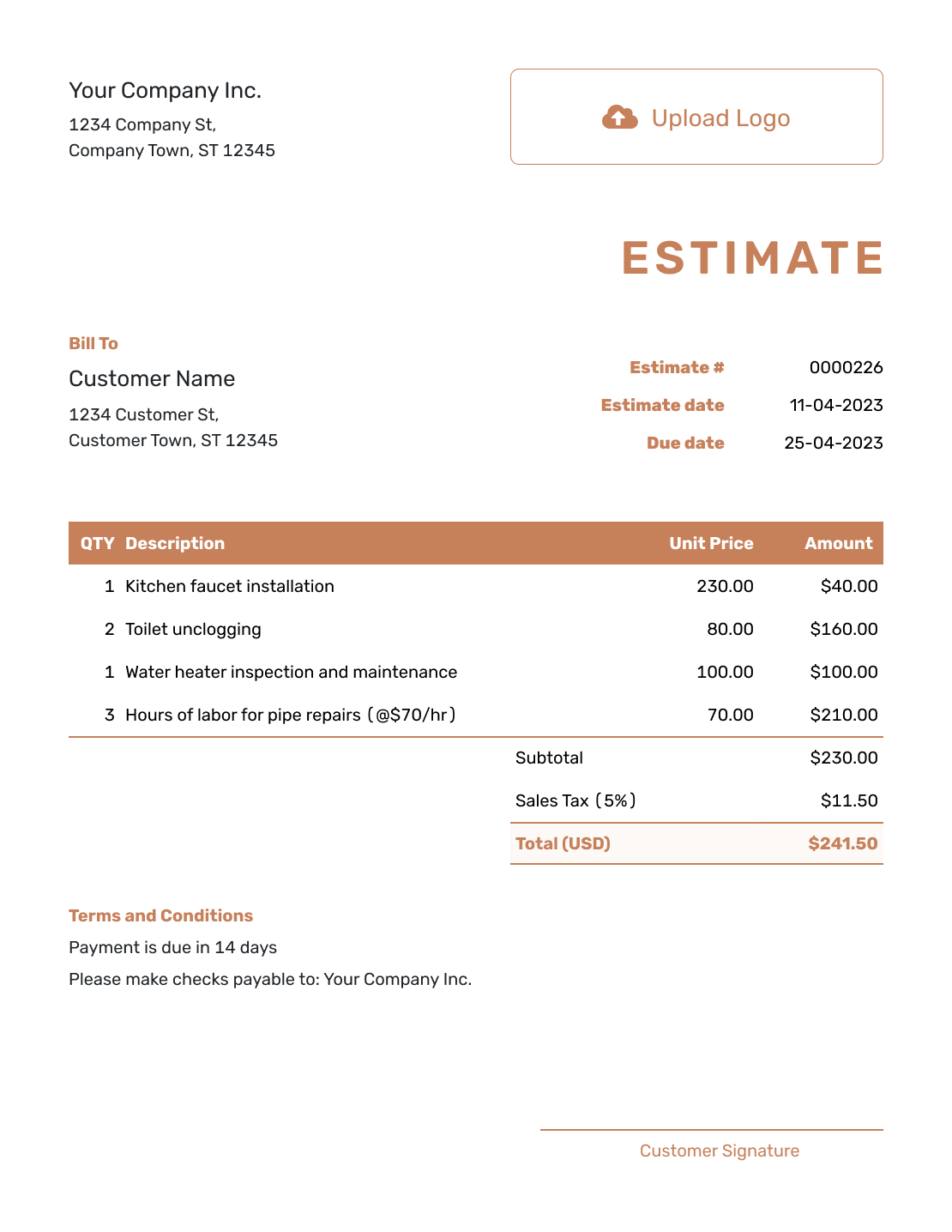
Downloadable Estimate Example Template
Create Free Estimate -
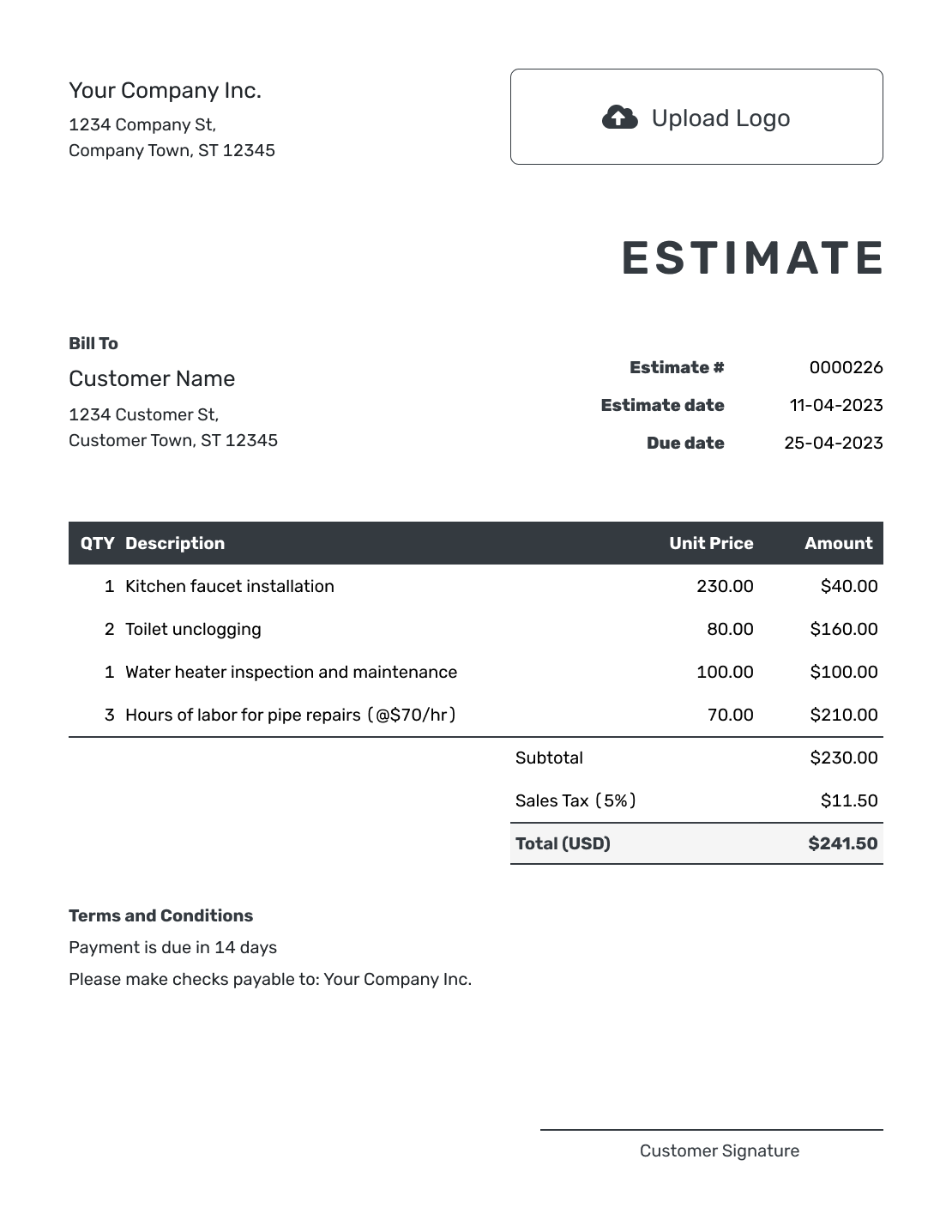
Editable Estimate Example Template
Create Free Estimate -
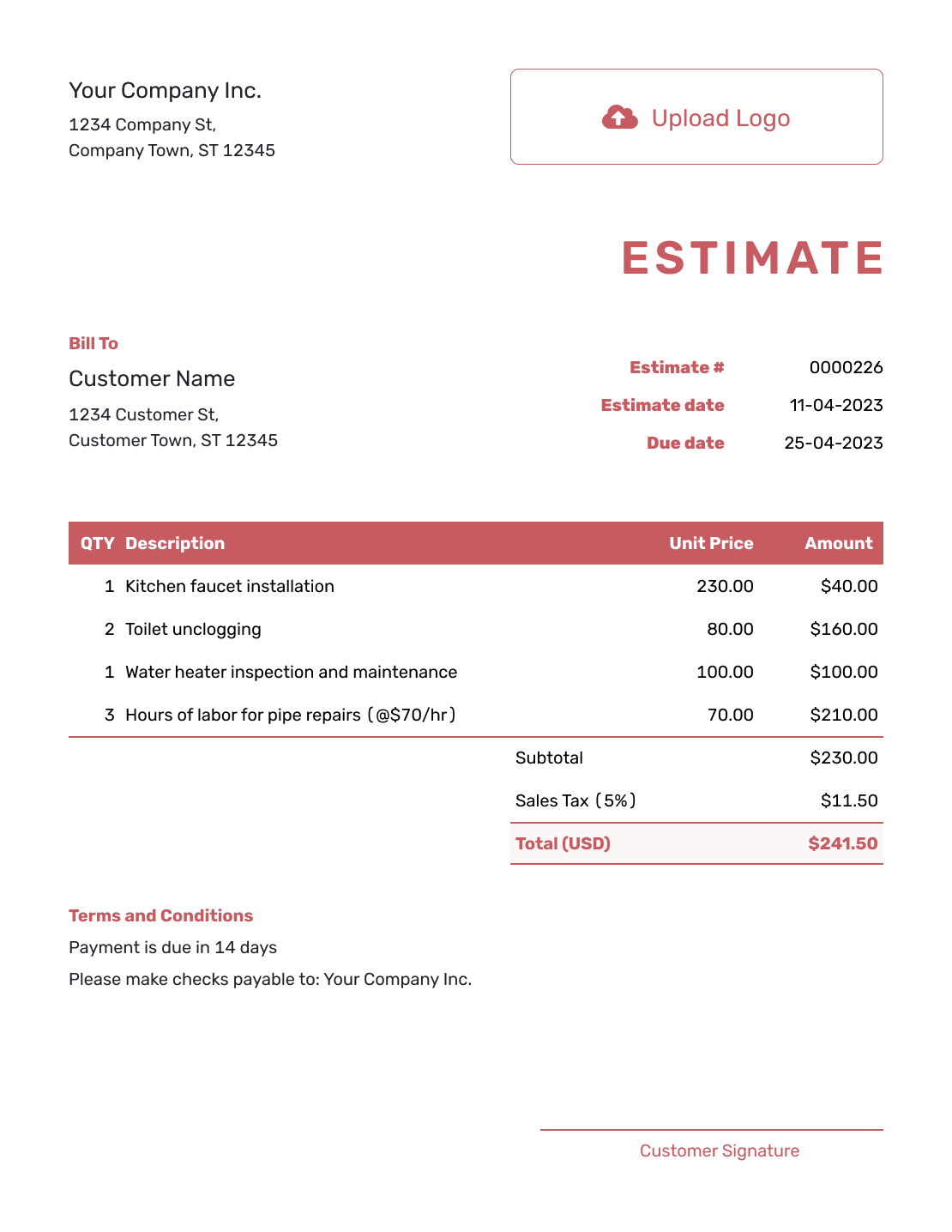
Fillable Estimate Example Template
Create Free Estimate -
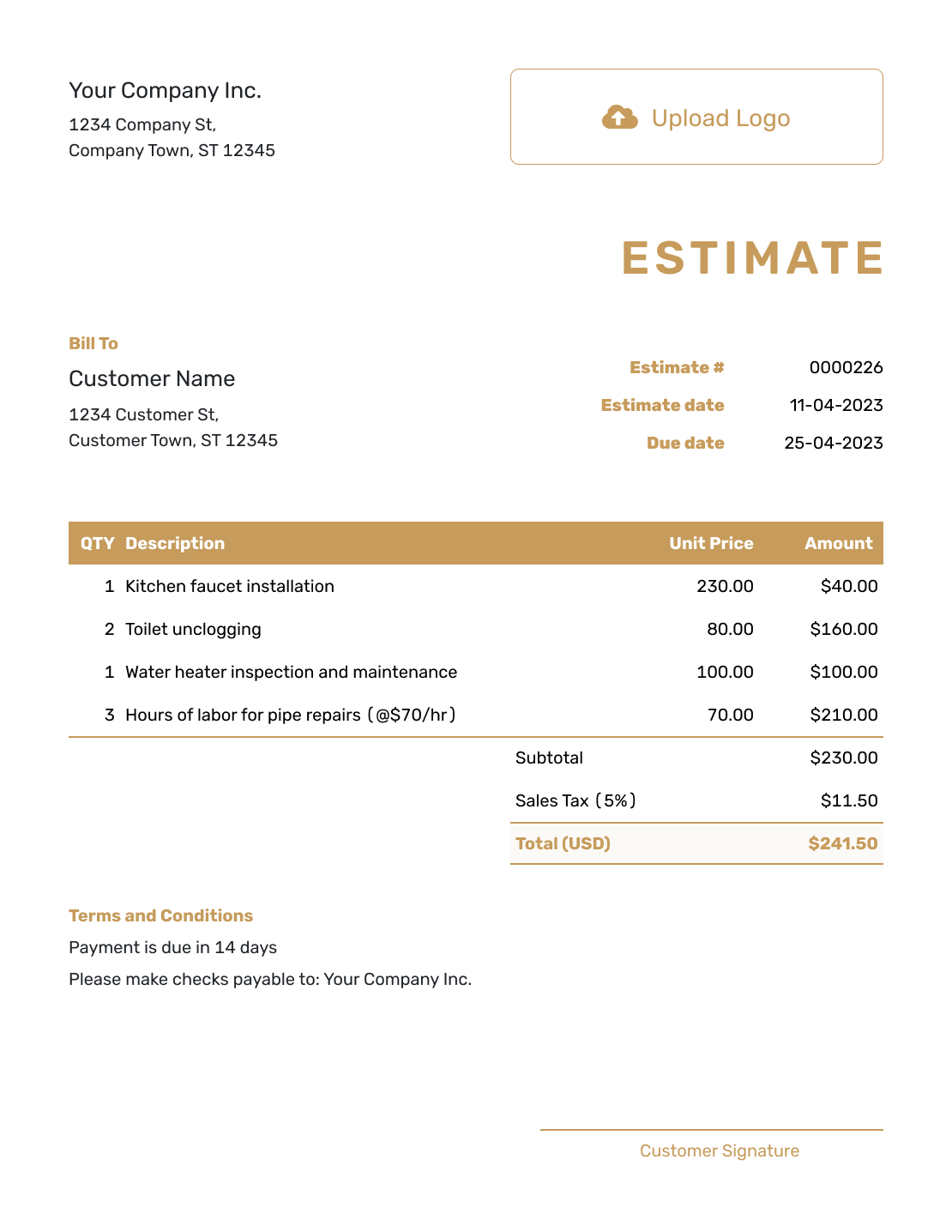
Professional Estimate Example Template
Create Free Estimate
Example, Blank, or Industry Template?
Use a finished example when you want to see how the whole estimate reads. Choose a blank template when you already know what to write, or an industry template when the job needs specialized scope and pricing details.
Choose How to Create Your Estimate
Use a separate Word or Google Docs template for familiar text editing, or a spreadsheet for quantities, rates, and formulas. Docelf handles the calculations online and downloads your finished estimate as a PDF. It also shows when the customer opens or responds to an emailed estimate.
Related Estimate Pages
Use an itemized estimate when the customer needs a fuller price breakdown. A worksheet helps you work through costs before you send them, while the comparison guides explain which document comes next.
Estimate Example Template FAQs
-
What is an estimate example template?
An estimate example template is a completed sample that shows how the business details, customer, expected work, line items, likely total, assumptions, and terms can fit together on the finished document.
-
When is a completed example more useful than a blank estimate?
Use a completed example when you need to see how the scope, line items, likely total, and assumptions work together. Use a blank template when you already know the content and only need the fields and layout.
-
Can I copy the wording from an estimate example?
Borrow only the structure and any wording that still describes the real job. Replace the scope, quantities, prices, assumptions, timing, and terms, then delete every sample line or note that is not true.
-
Which sample details must be replaced before I send the estimate?
Replace every sample business name, customer, address, estimate number, date, item, quantity, price, assumption, and term. Check the likely total and make sure no sample text remains.
-
Does an estimate example show a final price?
An estimate example should show a likely price based on the information and assumptions in the sample. Your real estimate should use the quantities, rates, costs, and job conditions you know, and explain what could change the price.
-
Would an industry estimate template fit my job better?
Use a general example when the job is straightforward and the line items explain it well. Choose an industry template when the work needs specialized scope, units, assumptions, or pricing details.
-
Can I change the colors, fonts, and logo on the estimate?
Yes. In Docelf, you can add your logo and choose custom colors and fonts. Change the line items to fit the job, and put the assumptions and terms in Terms and Conditions.
-
Can a customer accept an estimate created in Docelf?
Yes. Customers can accept or decline estimates online without a Docelf account. The estimate status updates when they respond, and Docelf emails you. You can also mark the estimate accepted or declined yourself.
-
Can I email or download the finished estimate?
Yes. You can email the estimate through Docelf, print it, or download a PDF. You can also see when an emailed estimate is delivered and opened.
Ready to Build the Real Estimate?
You have the structure. Now give your customer a clear view of the work you expect to do.
- Add your customer and expected work
- Check the calculated total and job assumptions
- Email or download a professional PDF