Free Itemized Estimate Template
Show how each part adds to the total
Break the job into line items that show how labor, materials and other charges build the total. The breakdown makes the price easier to trust and helps you get the work.
Email, print or download your estimate as a PDF.
14-day free trial. No credit card required.
Price the job. Send the estimate. Get back to work.
Choose an Itemized Estimate Layout
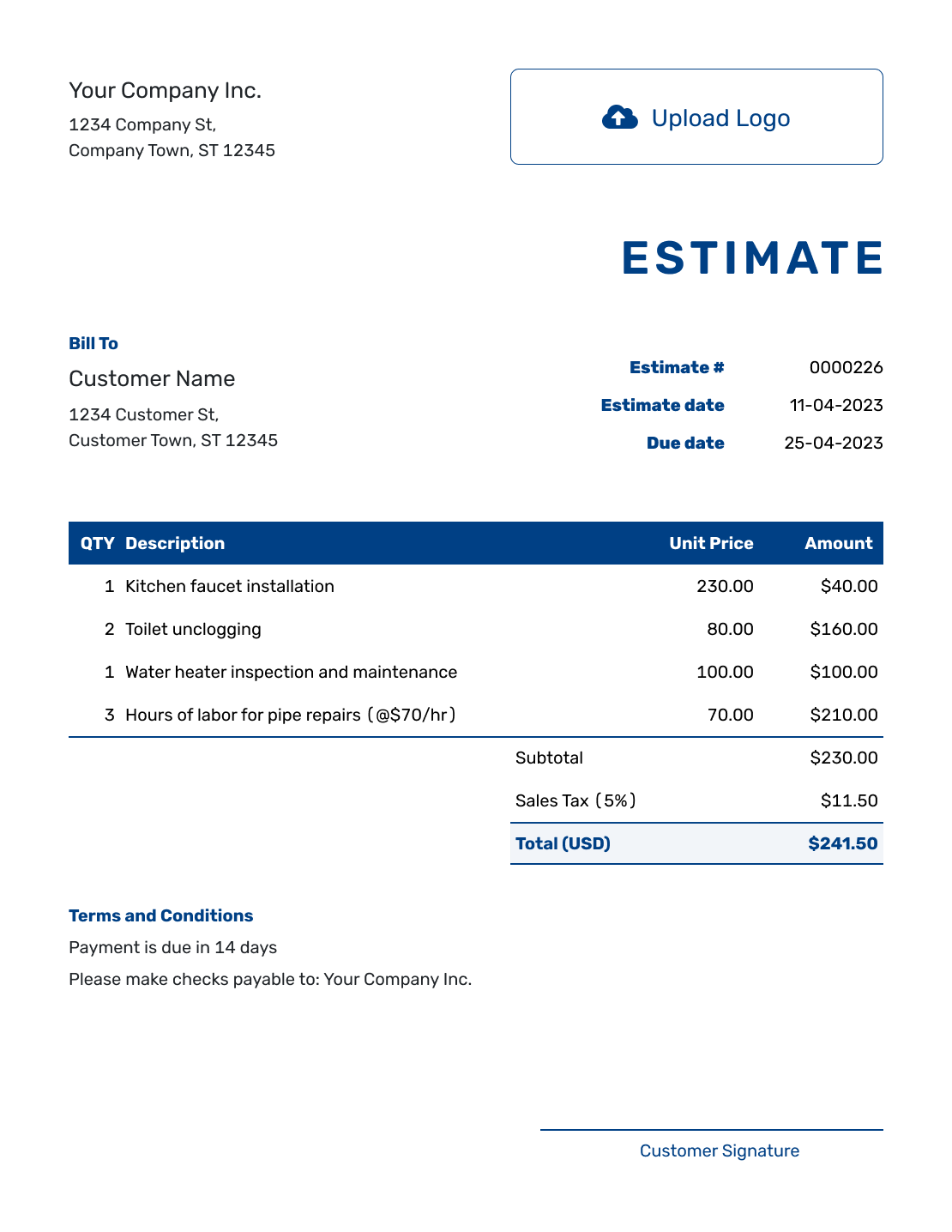
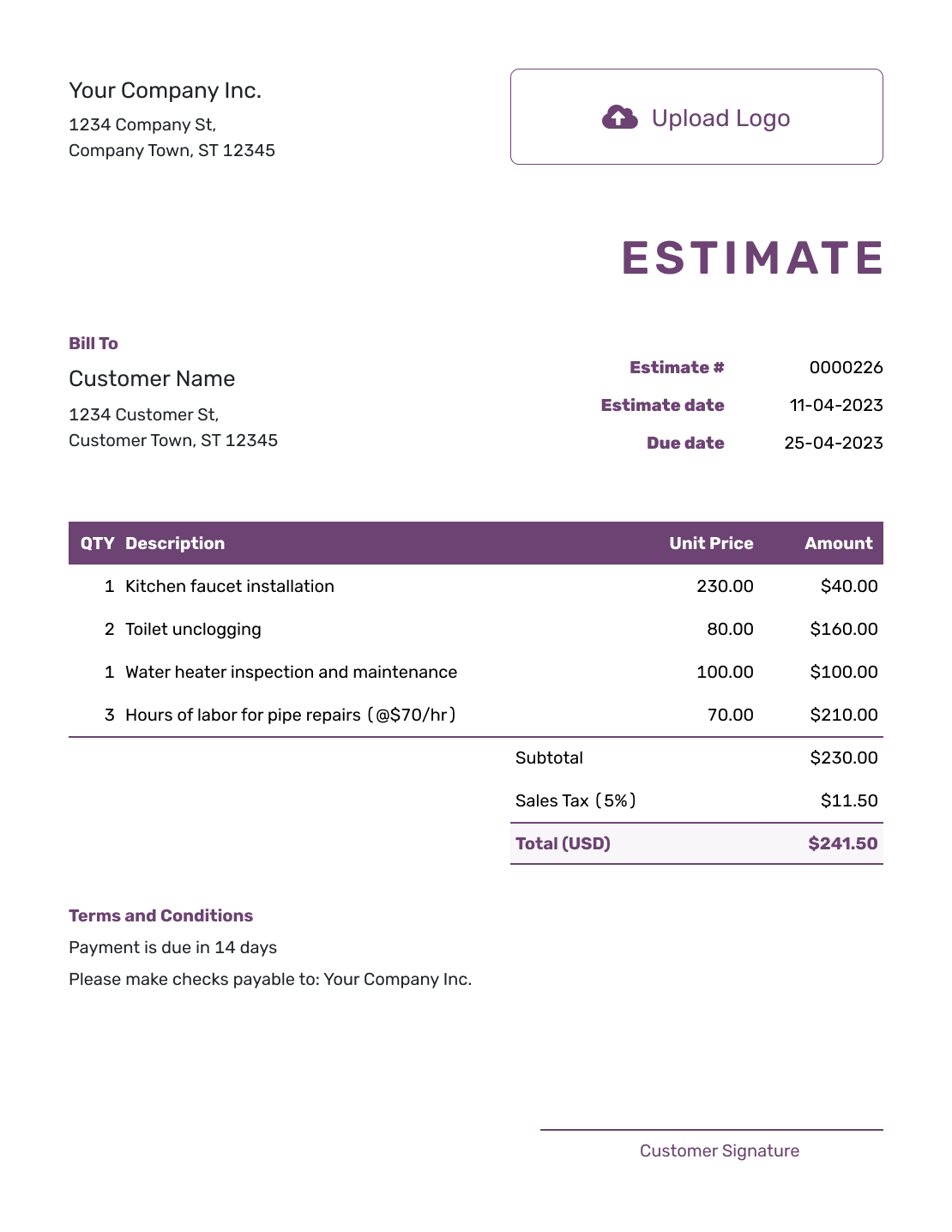
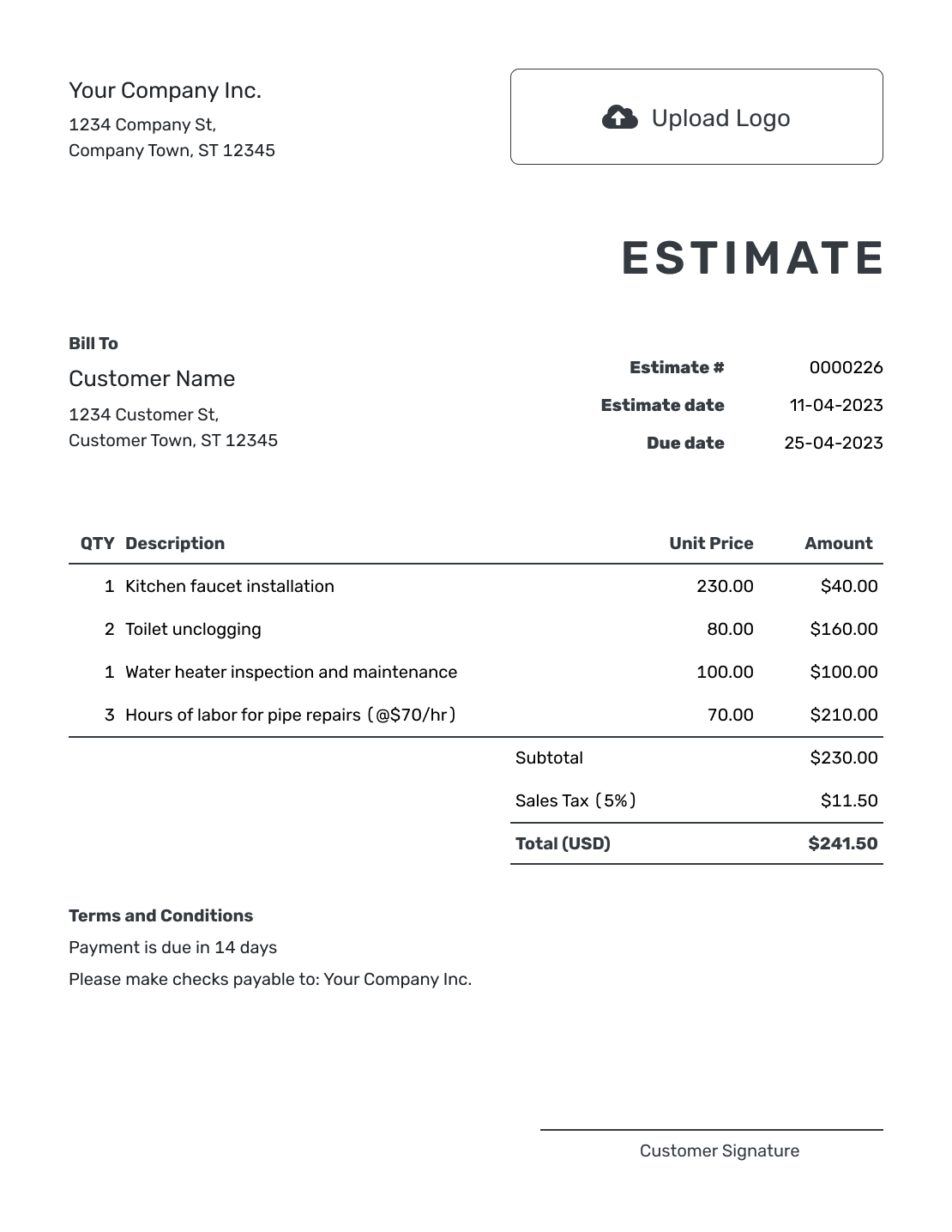
Start with a clean layout, then use line items to show the expected work, quantity, unit price and estimated amount for each part of the job.
What Makes an Estimate Itemized?
An itemized estimate separates the expected work into useful lines instead of showing only one total. Each line should help the customer understand what is being priced and how the amount was calculated.
Use enough detail to explain the main costs. Group tiny supplies or closely related tasks when separate lines would make the estimate harder to read.
How to Create an Itemized Estimate
Start with the work you expect to do, then price its main parts. Each line should explain a charge the customer can recognize; keep your internal costing notes separate.
- Your Business: Add your business name and contact details.
- Your Logo: Use the logo your customer will recognize.
- The Customer: Choose a saved customer or enter their details.
- Number and Dates: Check the estimate number and issue date. Add a valid-until date if needed.
- The Line Items: Separate the main tasks and materials. Enter quantities and unit prices.
- The Likely Total: Check line amounts, any applicable tax or discount, and the estimated total.
- Terms and Review: Use Terms and Conditions for scope and assumptions. Review, then send the estimate.
How to Fill In Itemized Estimate Line Items
Keep quantities numeric and put units, such as hours or sets, in the description. The customer can then check both what each charge covers and how you calculated it.
This fictional cabinet installation uses US dollars. The four charges total $1,152.00 before tax. For this example only, 8% tax applies to the $252.00 of hardware, adding $20.16. Use the tax treatment that applies to your own work.
| QTY | Description | Unit Price | Amount |
|---|---|---|---|
| 1 | Site visit and measurements | $125.00 | $125.00 |
| 8 | Cabinet installation — hours | $85.00 | $680.00 |
| 6 | Custom cabinet hardware — sets | $42.00 | $252.00 |
| 1 | Cleanup and disposal | $95.00 | $95.00 |
| Subtotal | $1,152.00 | |
| Sales Tax (8% example, materials only) | $20.16 | |
| Estimated Total | $1,172.16 |
What to Include in Itemized Estimate Terms
Use Terms and Conditions to explain the assumptions behind the quantities and prices. If the labor hours depend on site conditions or a material selection is still open, say what you based the estimate on.
Adapt the sample below to your job and include only conditions your business uses. Keep these assumptions with the estimate so the customer can review both together.
Example: Terms and Conditions
- Includes installation of customer-supplied cabinets, six hardware sets, a site visit, and cleanup.
- Allows eight installation hours at $85.00 per hour, assuming the existing walls and fixing points are sound.
- Hardware is estimated at $42.00 per set. Changes to the hardware selection or required wall repairs may affect the total.
- This estimate is valid for 30 days. We will discuss any work that would change the price with you and send a revised estimate for approval before proceeding.
Make the Line Items Useful to the Customer
Good itemization explains the likely price. Group small supplies into a useful description instead of giving every screw its own line.
Name the Work Clearly
Use descriptions the customer will recognize, such as preparation, installation or cleanup. Avoid internal codes without an explanation.
Separate Costs When It Helps
Show labor, materials or outside charges separately when the split helps the customer review the job. Group them when the distinction adds no value.
State the Assumptions
Add the measurements, selections or site conditions that could change the likely price. Keep them close to the estimate.
Keep the Total Easy to Follow
Show the subtotal, any applicable tax or discount, and the estimated total. Give each amount a clear label.
What to Include Beyond the Line Items
The table explains the price, but the rest of the estimate should explain whose job it is, when the price applies and what happens next.
- Your business details and logo
- The customer and job or service address when relevant
- A unique estimate number, issue date and valid-until date when needed
- A short scope that frames the line items
- Assumptions, exclusions and expected timing
- Terms, taxes and discounts when they apply
- A clear next step for questions, changes or acceptance
Create an Itemized Estimate Ready to Review
Add the customer, expected work and clear line items. Docelf calculates the amounts and total. Review the scope, then email the estimate or download a PDF.
Itemized Estimate, Quote, or Invoice?
Choose the document based on what the customer needs to review and whether the work is ready to bill.
Estimate
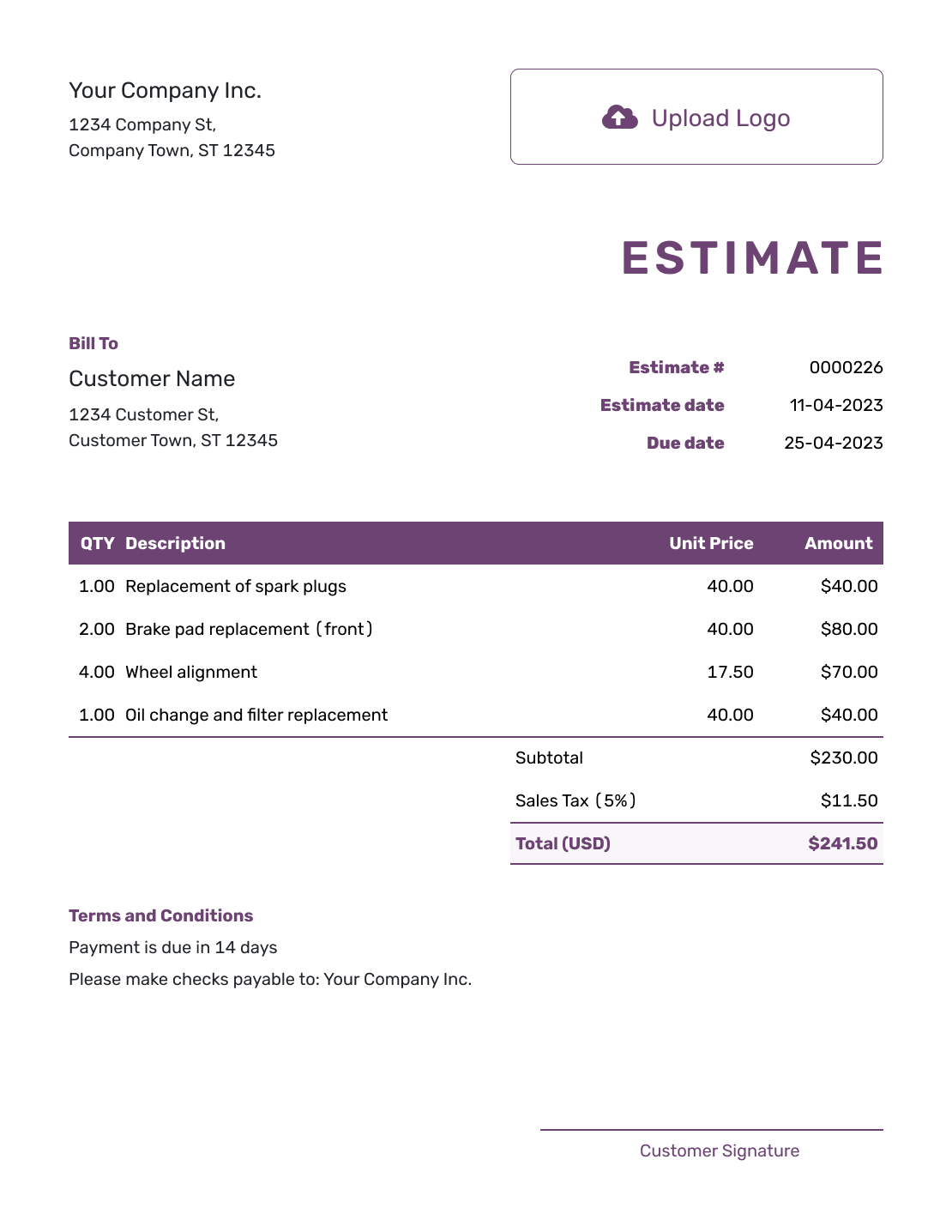
Use an itemized estimate when the expected work is understood but quantities or other costs can still change.
Quote
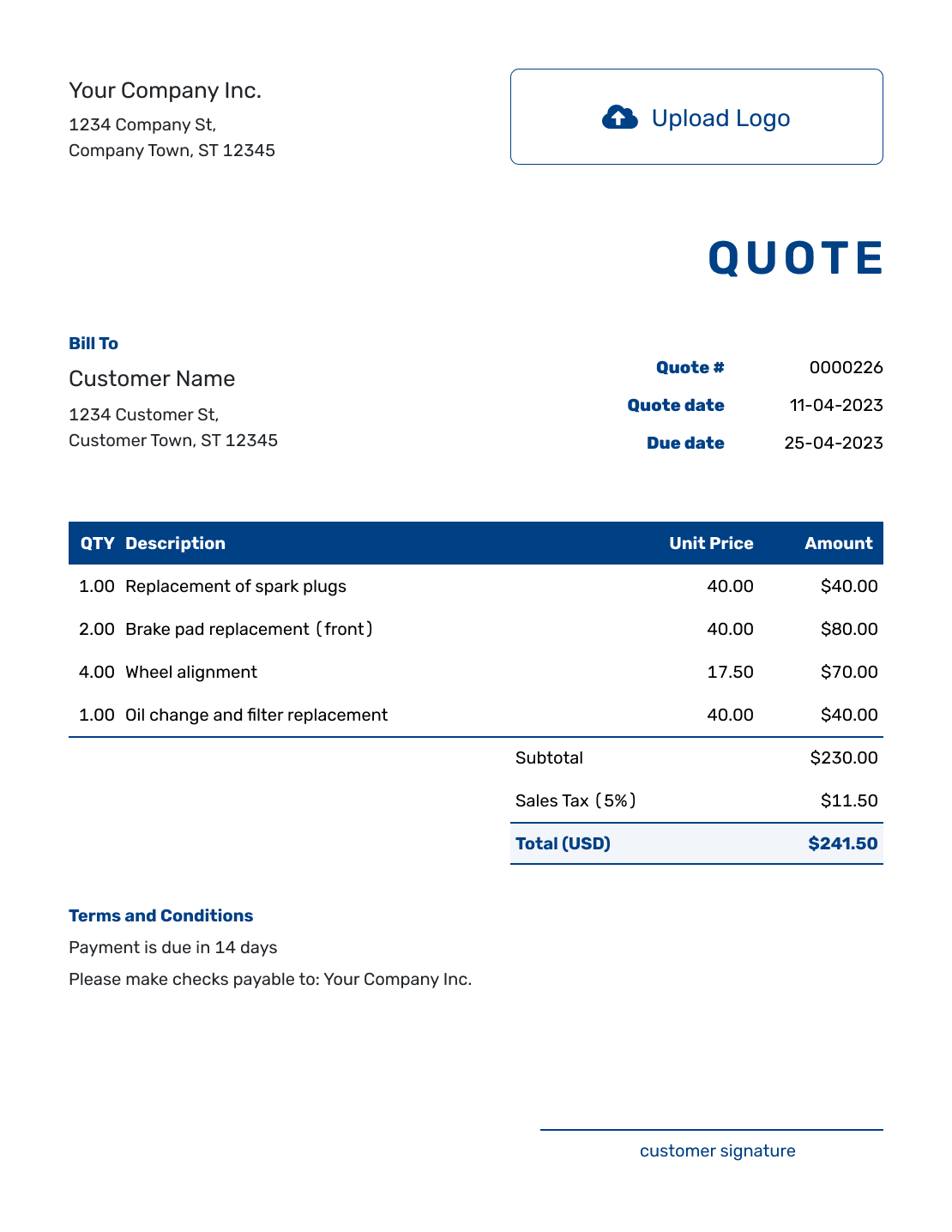
Use an itemized quote when you are ready to present a specific scope, price and terms as an offer.
Invoice
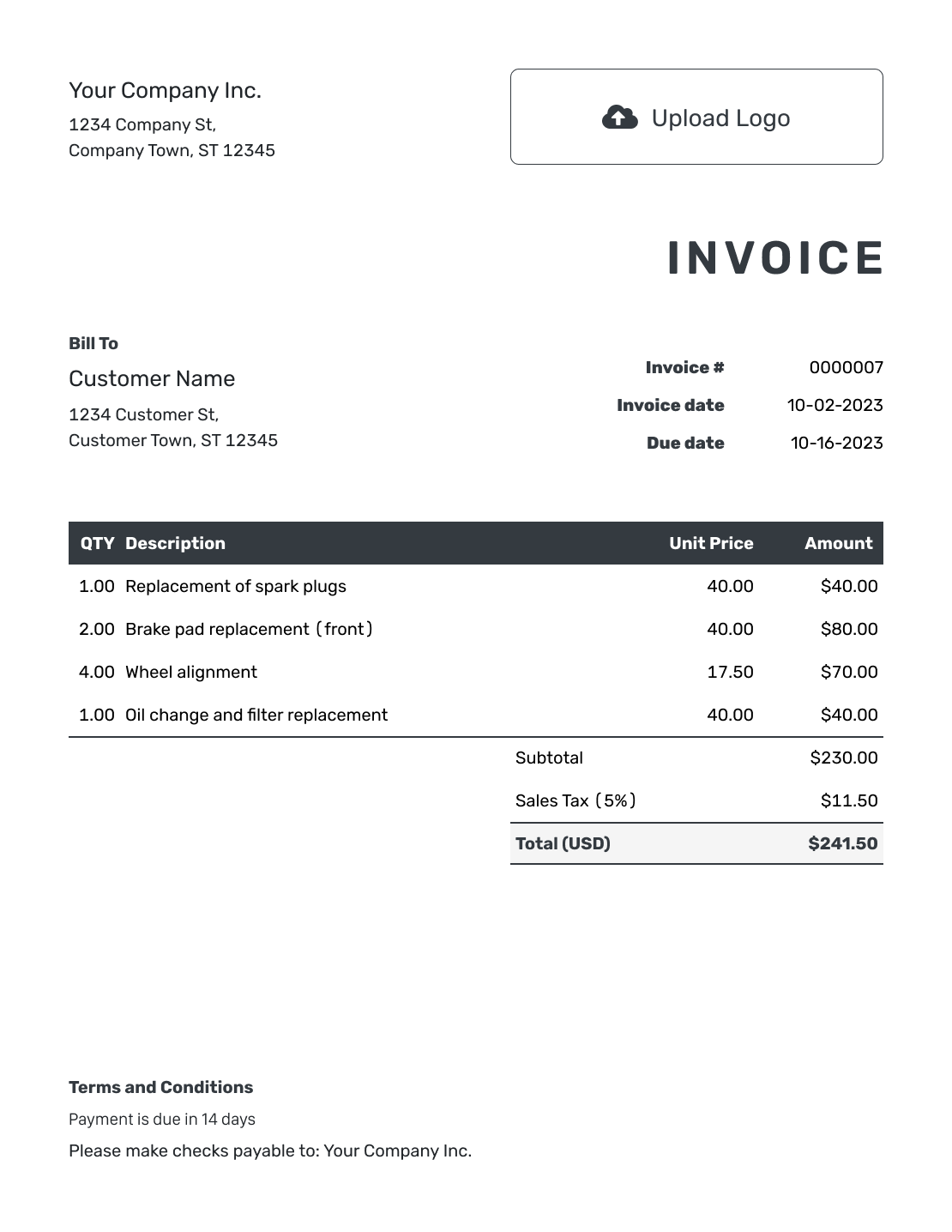
Use an itemized invoice when completed or billable work is ready for payment.
More Itemized Estimate Layouts
Choose a layout for your customer copy. Every preview opens the same estimate editor, where you can add the job details and choose the document design.
-
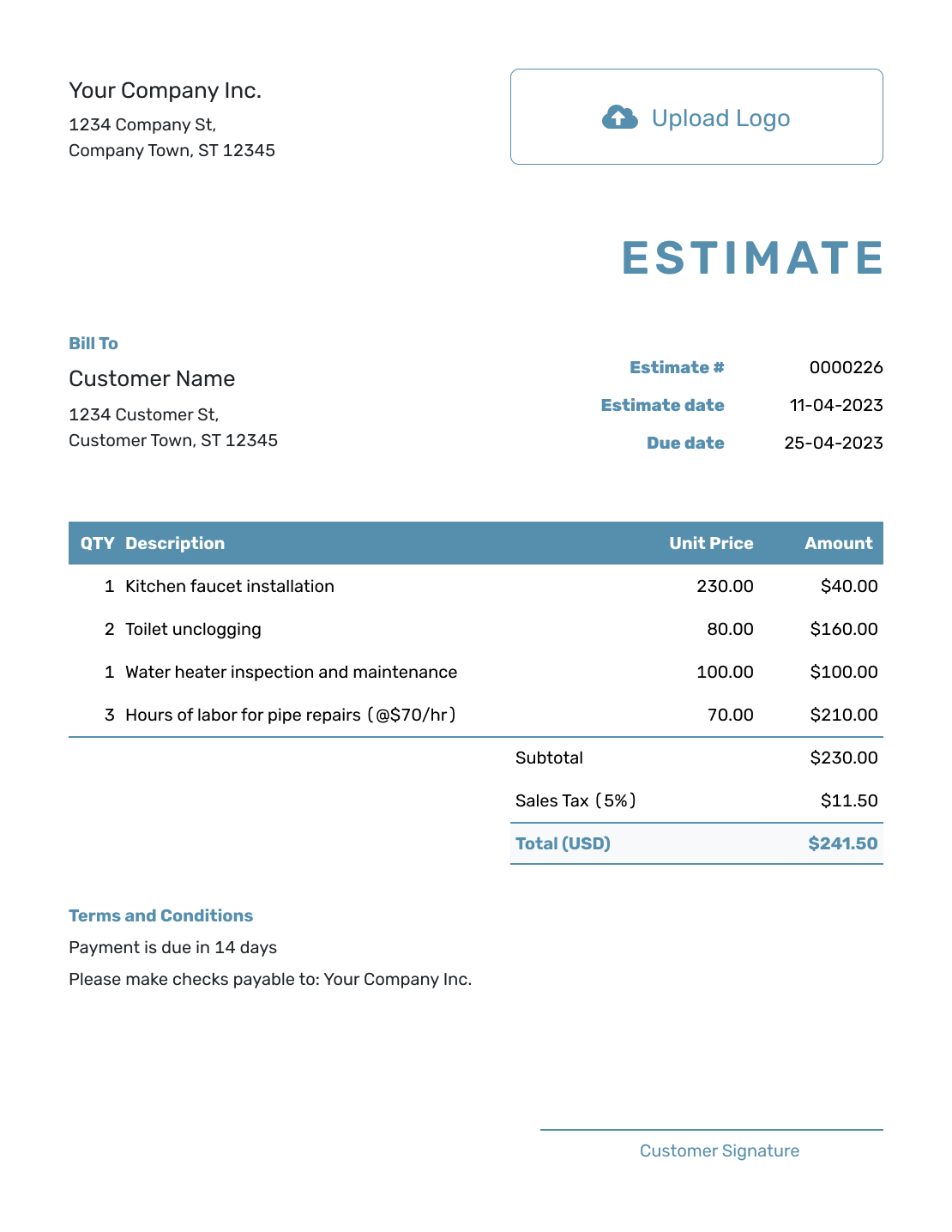
Blank Itemized Estimate Template
Create Estimate -
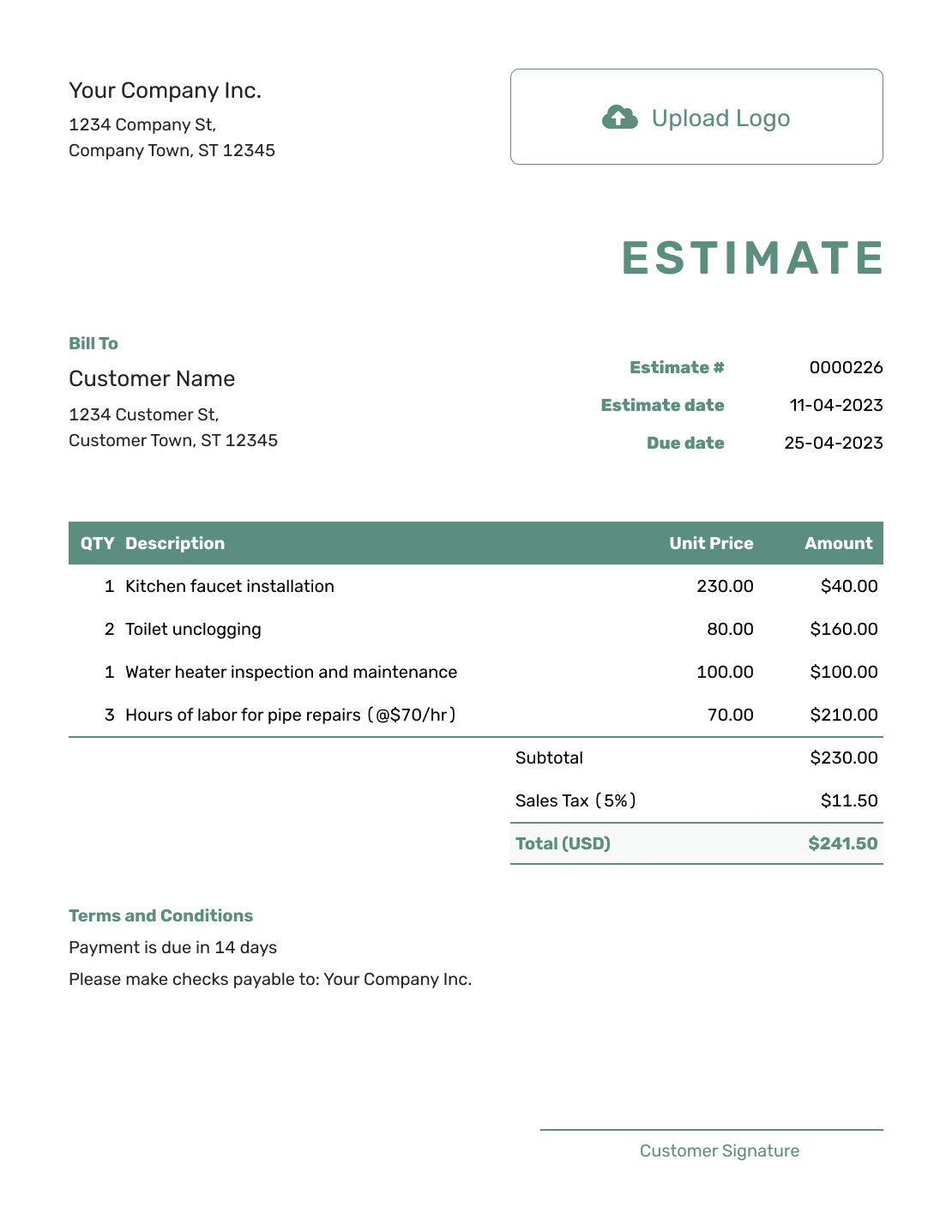
Simple Itemized Estimate Template
Create Estimate -
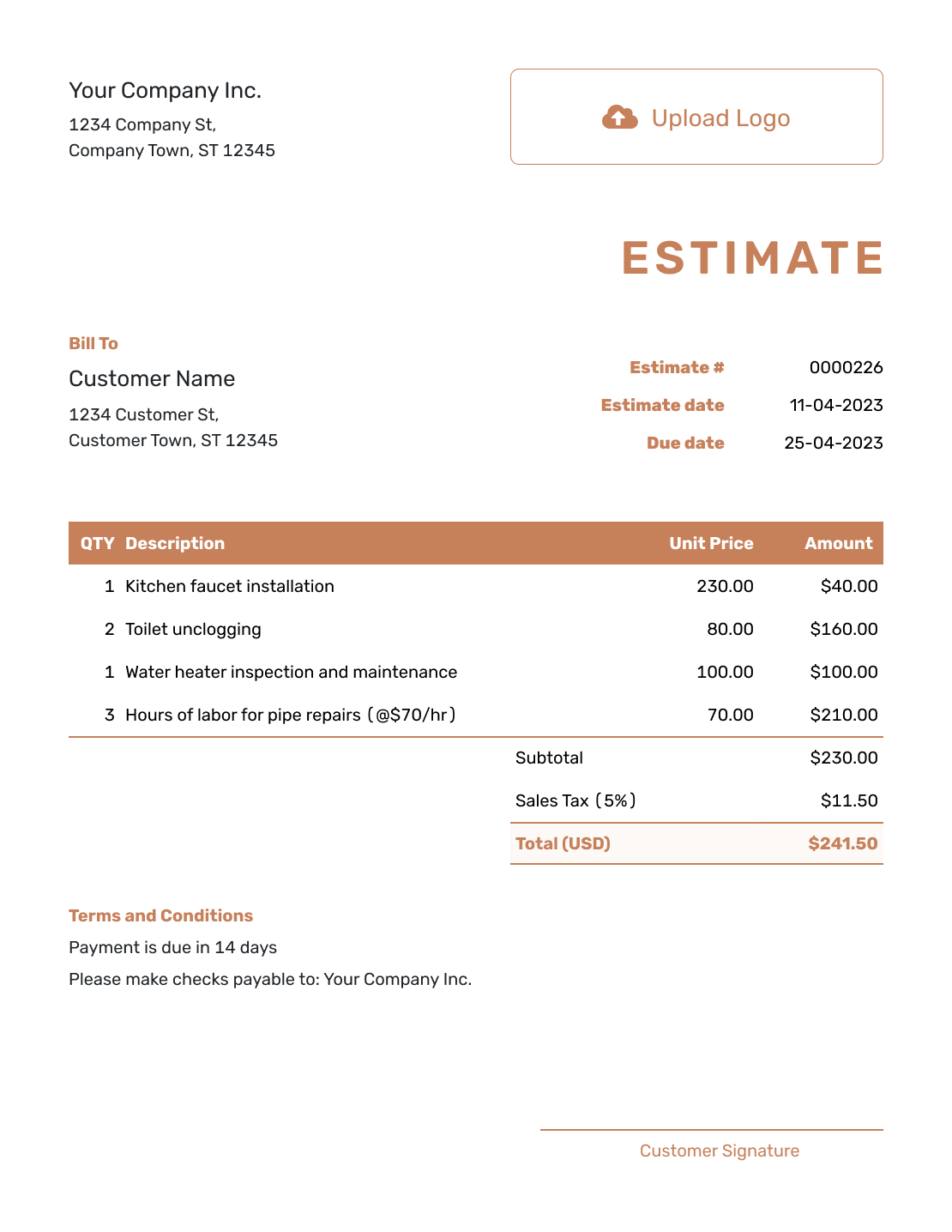
Downloadable Itemized Estimate Template
Create Estimate -
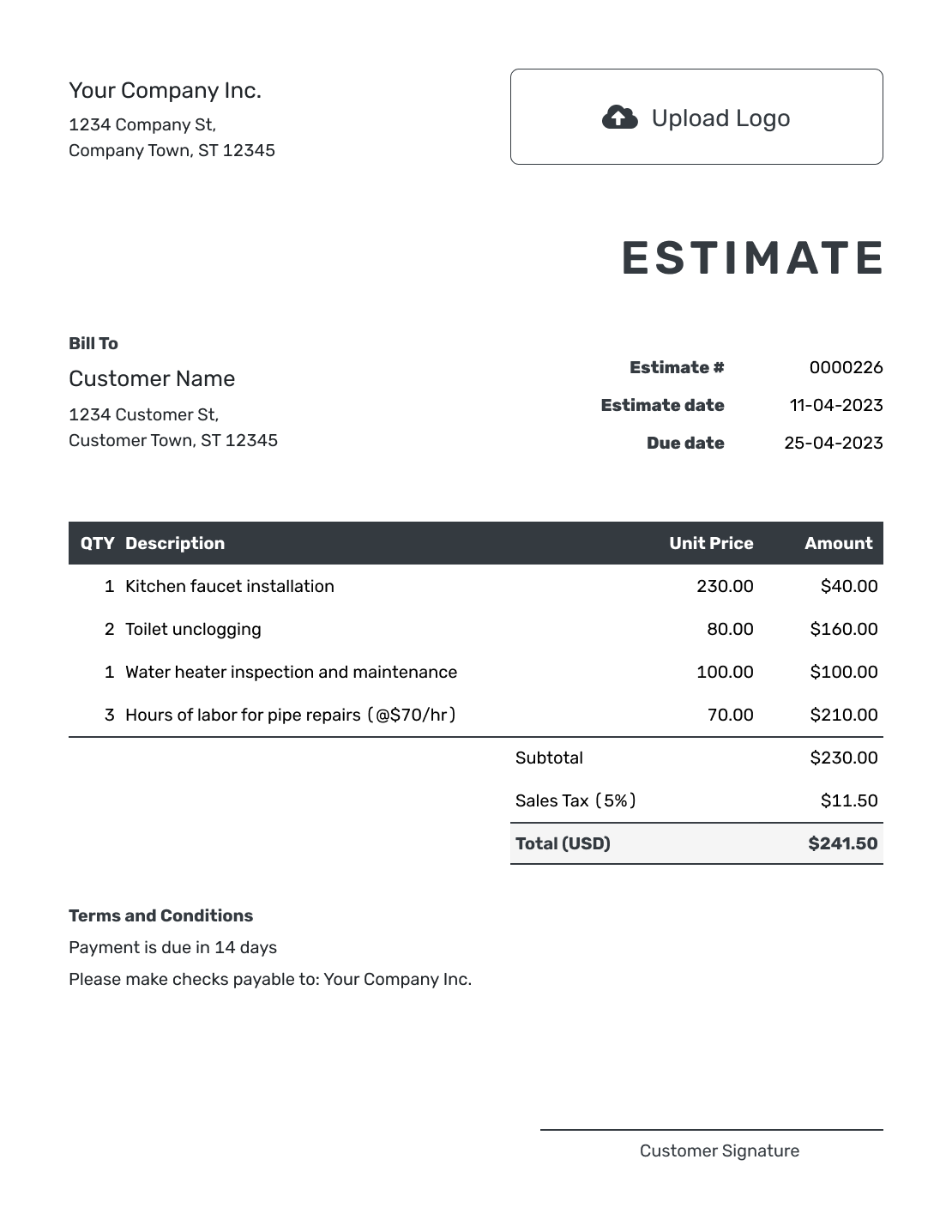
Editable Itemized Estimate Template
Create Estimate -
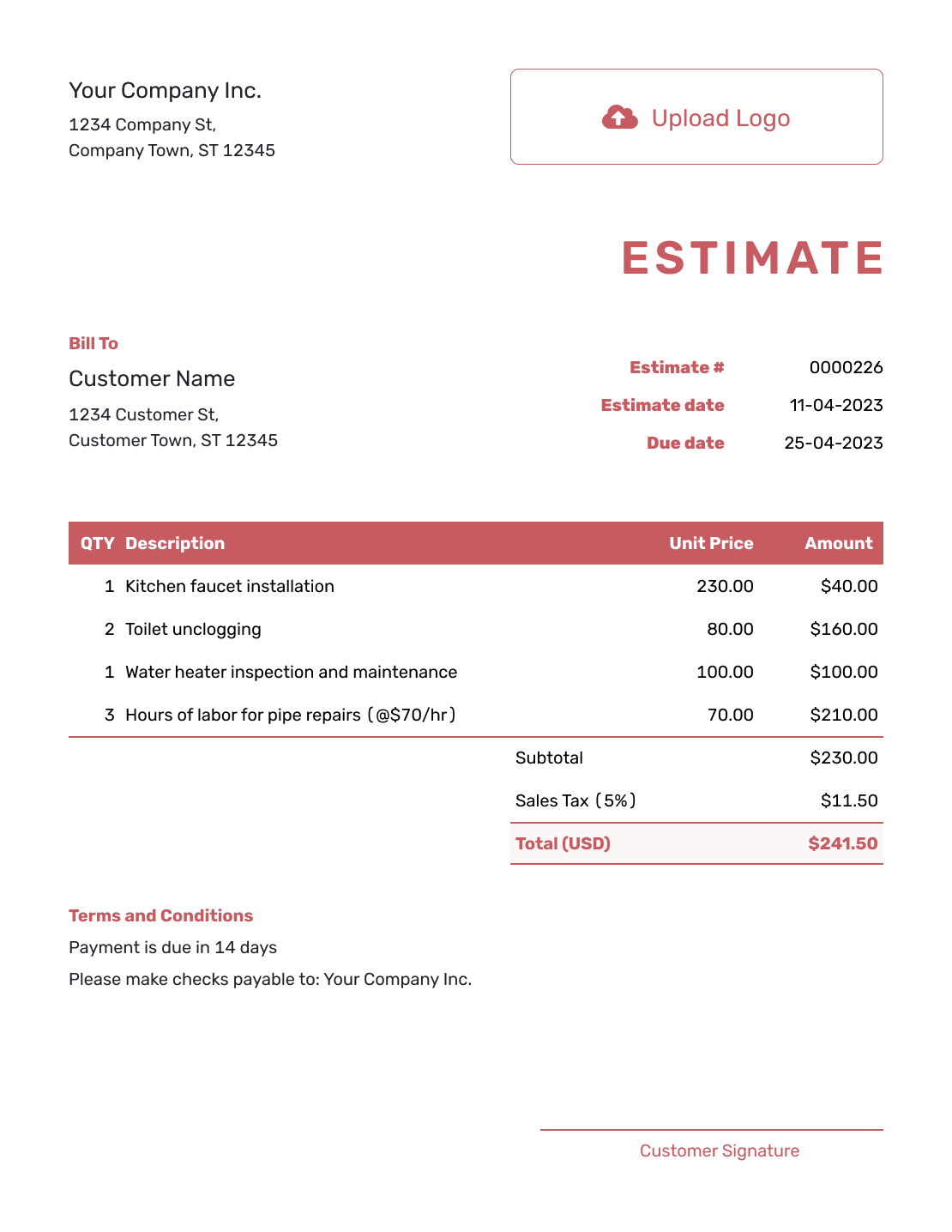
Fillable Itemized Estimate Template
Create Estimate -
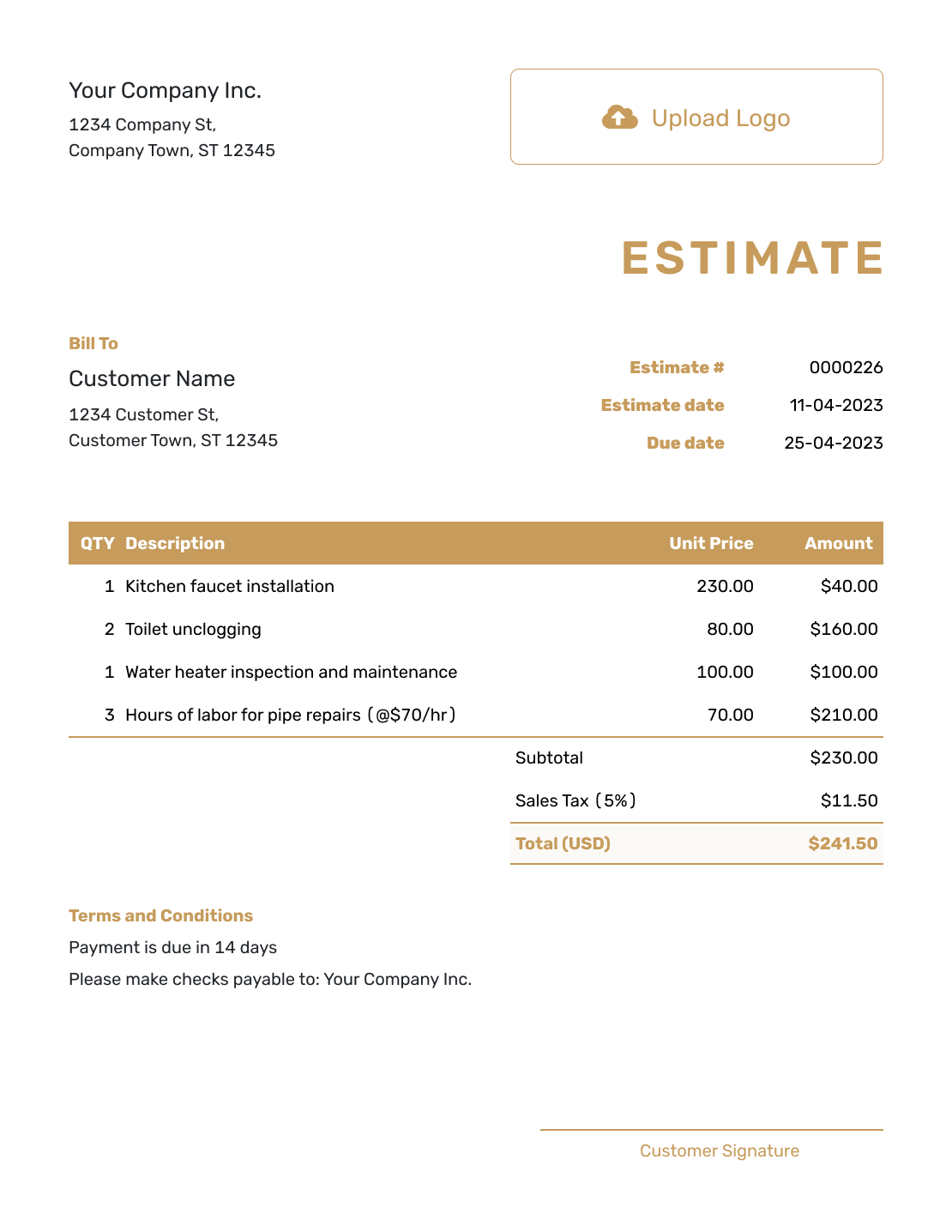
Professional Itemized Estimate Template
Create Estimate
Choose Another Estimate Format
Choose PDF or printable when the finished customer copy matters most, or Excel when the line items need repeated calculations.
After You Send the Estimate
- Check the delivery and opening history after emailing the estimate from Docelf
- Revise the affected lines if the scope or likely price changes
- When it is time to bill, create the invoice from the estimate and check it against the work provided
Itemized Estimate Template FAQs
-
What is an itemized estimate?
An itemized estimate breaks the expected work and likely price into separate lines. The customer can see the main tasks, materials or charges and how they add to the total.
-
How much detail should an itemized estimate include?
Include enough detail to explain the main costs and scope. Group small or closely related items when separate lines would make the estimate harder to review.
-
Should labor and materials be separate?
Separate them when the distinction helps the customer understand the job or when the pricing is built that way. A single combined line is fine when that is clearer and still explains what is included.
-
What columns should an itemized estimate use?
Use QTY, Description, Unit Price, and Amount for each line, followed by a clearly labeled Estimated Total. Put units such as hours in the description and keep the quantity numeric.
-
Can the total on an itemized estimate change?
Yes. An estimate shows a likely price based on the current scope and assumptions. Revise the estimate when quantities, selections or work change enough to affect the total.
-
Can a customer accept an itemized estimate online?
Yes. Customers can accept or decline estimates sent through Docelf without a Docelf account. The estimate status updates when they respond, and you receive an email notification.
-
Can I create an invoice from an itemized estimate?
Yes. In Docelf, you can create an invoice from the estimate and reuse the relevant customer, item, price and document details.
Ready to Send a Clear Itemized Estimate?
Give the customer a breakdown they can follow, with the assumptions behind the price close at hand.
- Automatic line amounts and totals
- Clear scope, assumptions and terms
- Track opens and responses when emailed from Docelf