Free Paid Invoice Template
Keep a clear record of a paid invoice
Record the full payment against the invoice and show the remaining balance as zero. The Paid status keeps the billing record current, and you can create a receipt when needed.
Email, print or download the paid invoice as a PDF.
14-day free trial. No credit card required.
Record the payment. Mark it paid. Keep the record clear.
Invoice Layouts for a Clear Payment Record
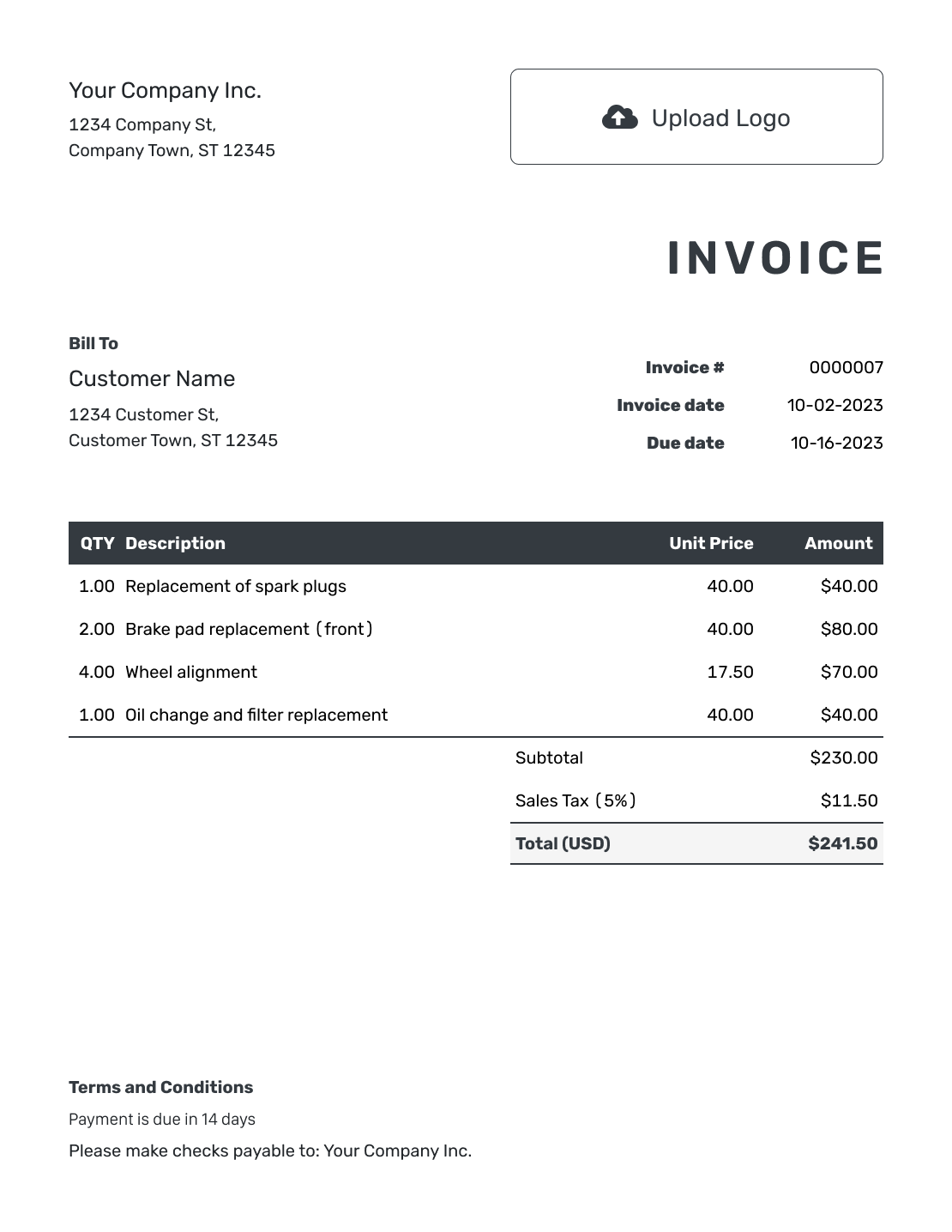
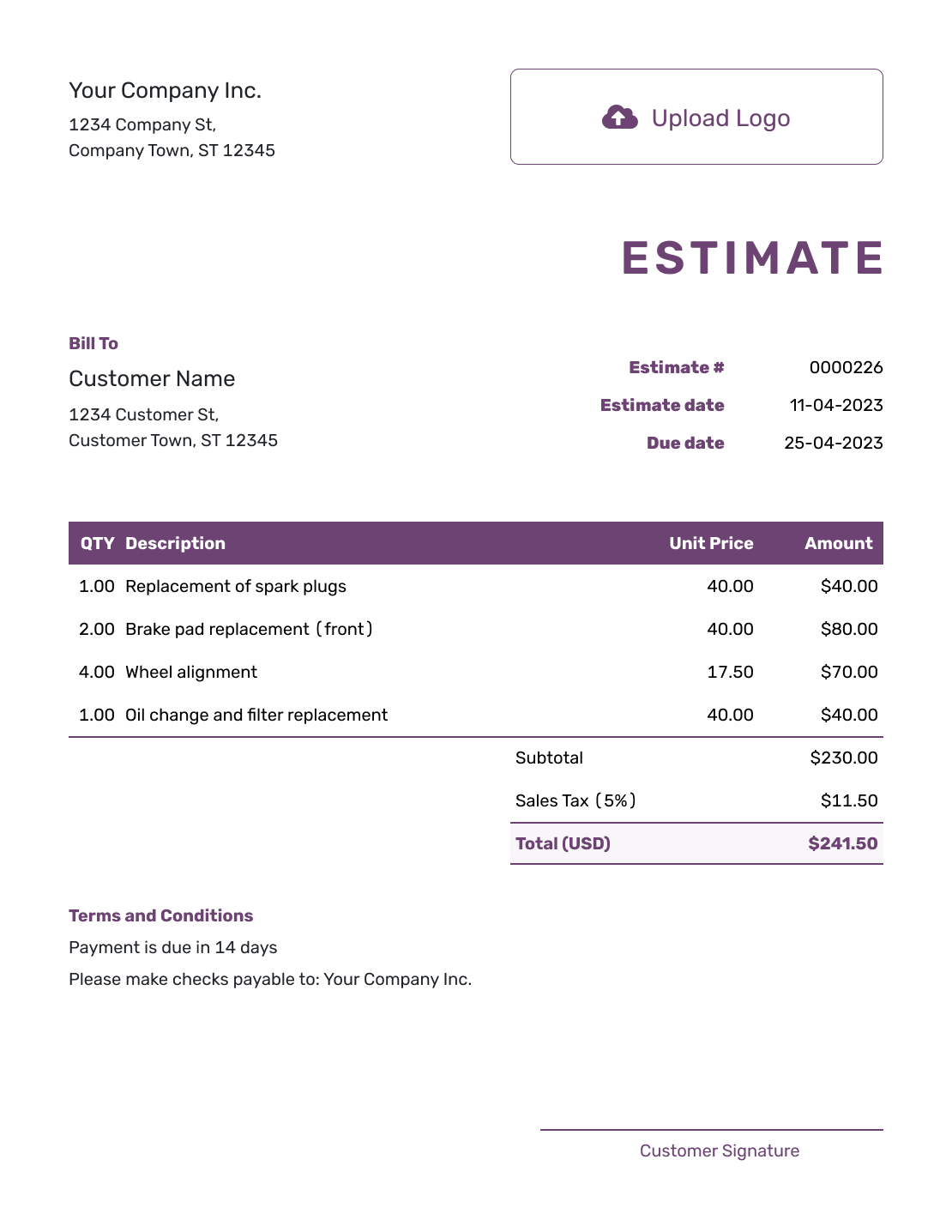
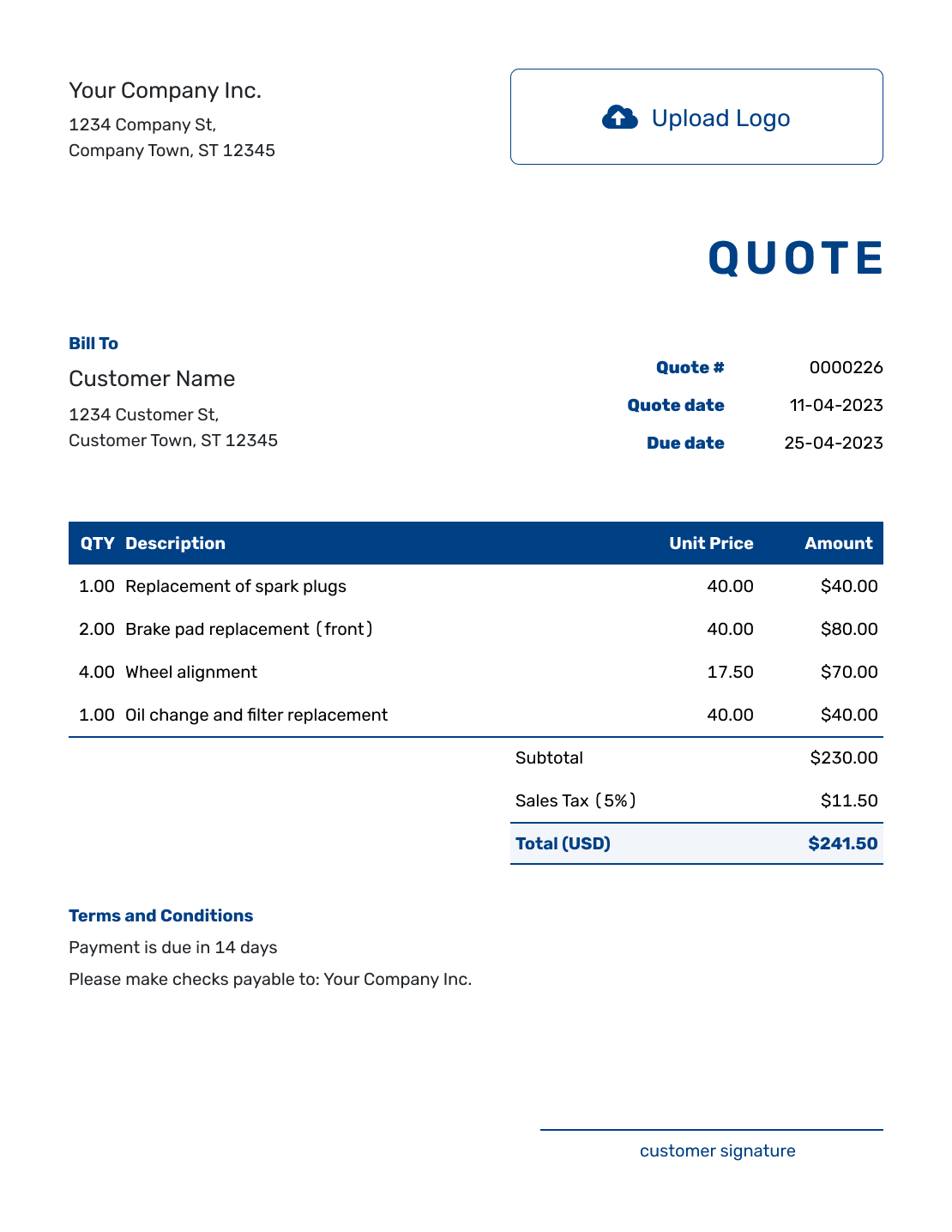
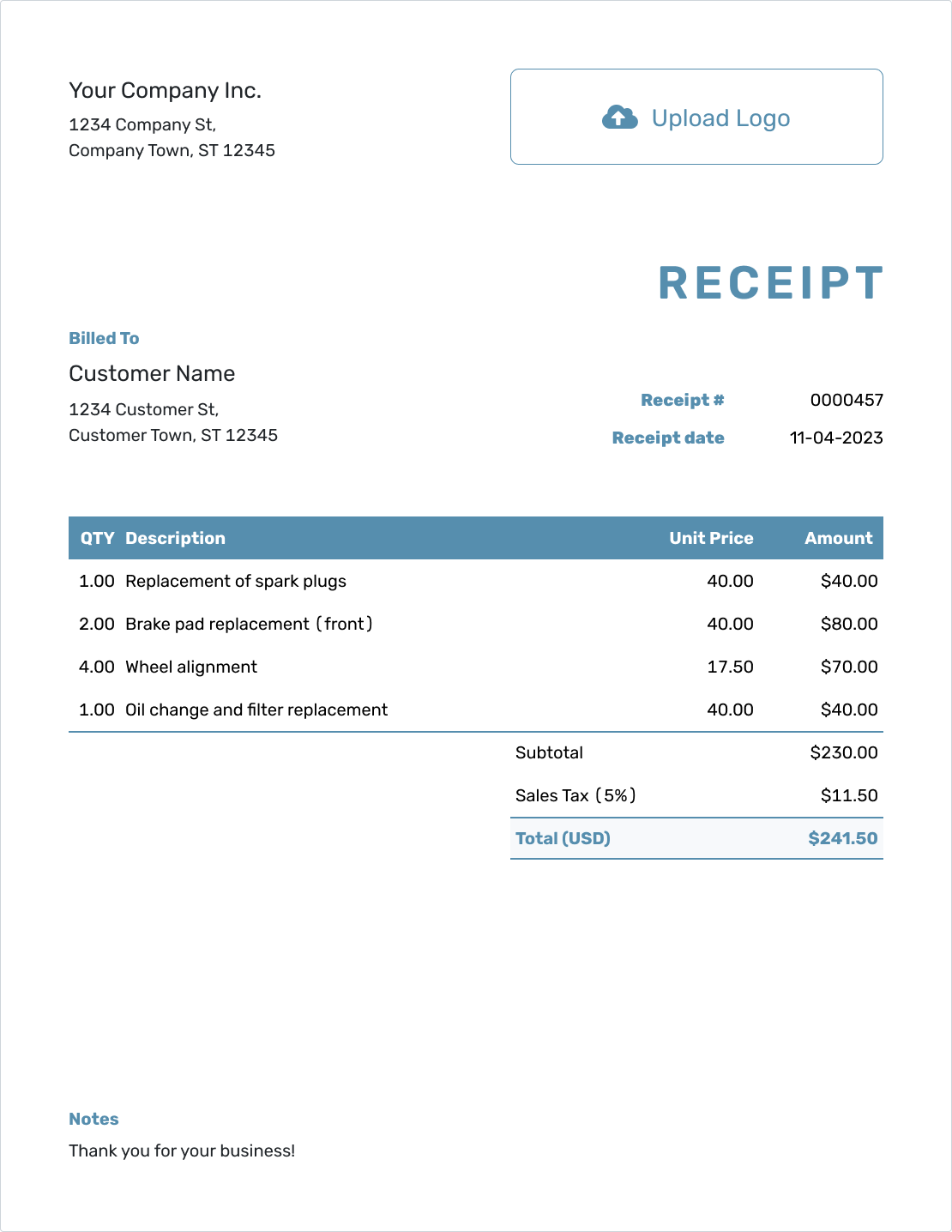
These previews show invoice layouts. Docelf marks an invoice Paid when your recorded payments cover the full amount. Already have the invoice? Record the payment there instead of creating a second bill for the same sale.
-
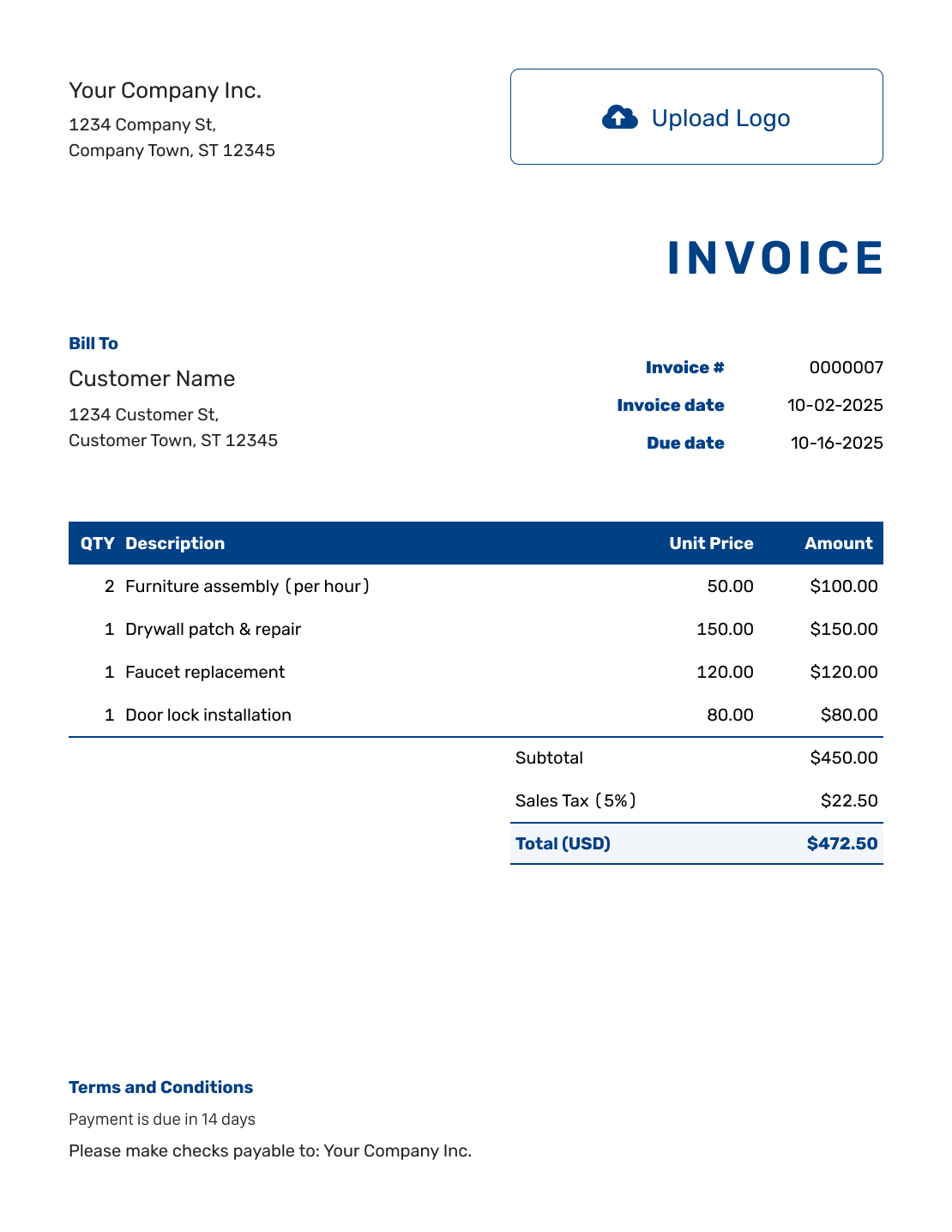
Sample Invoice Layout
Create Free Invoice -
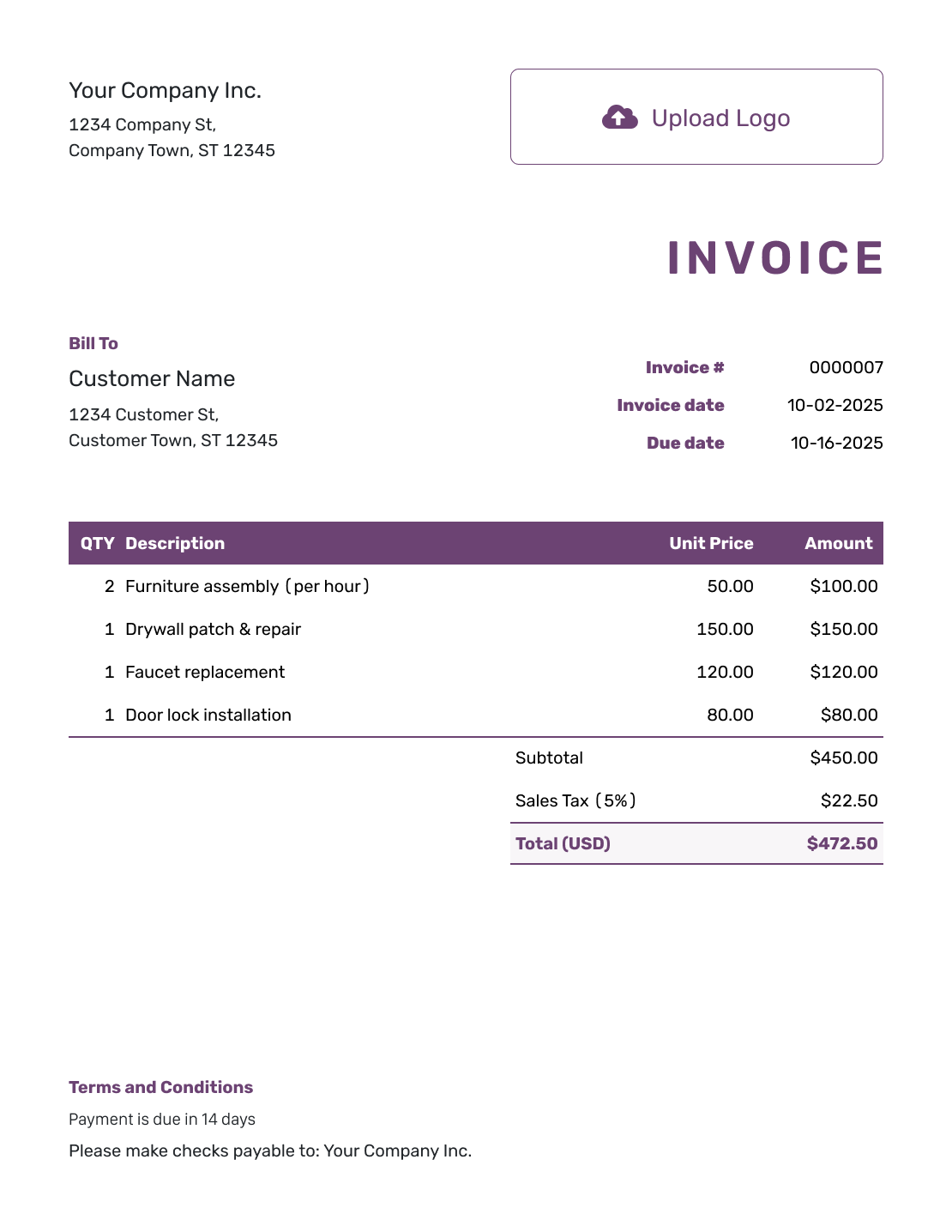
Free Invoice Layout
Create Free Invoice -
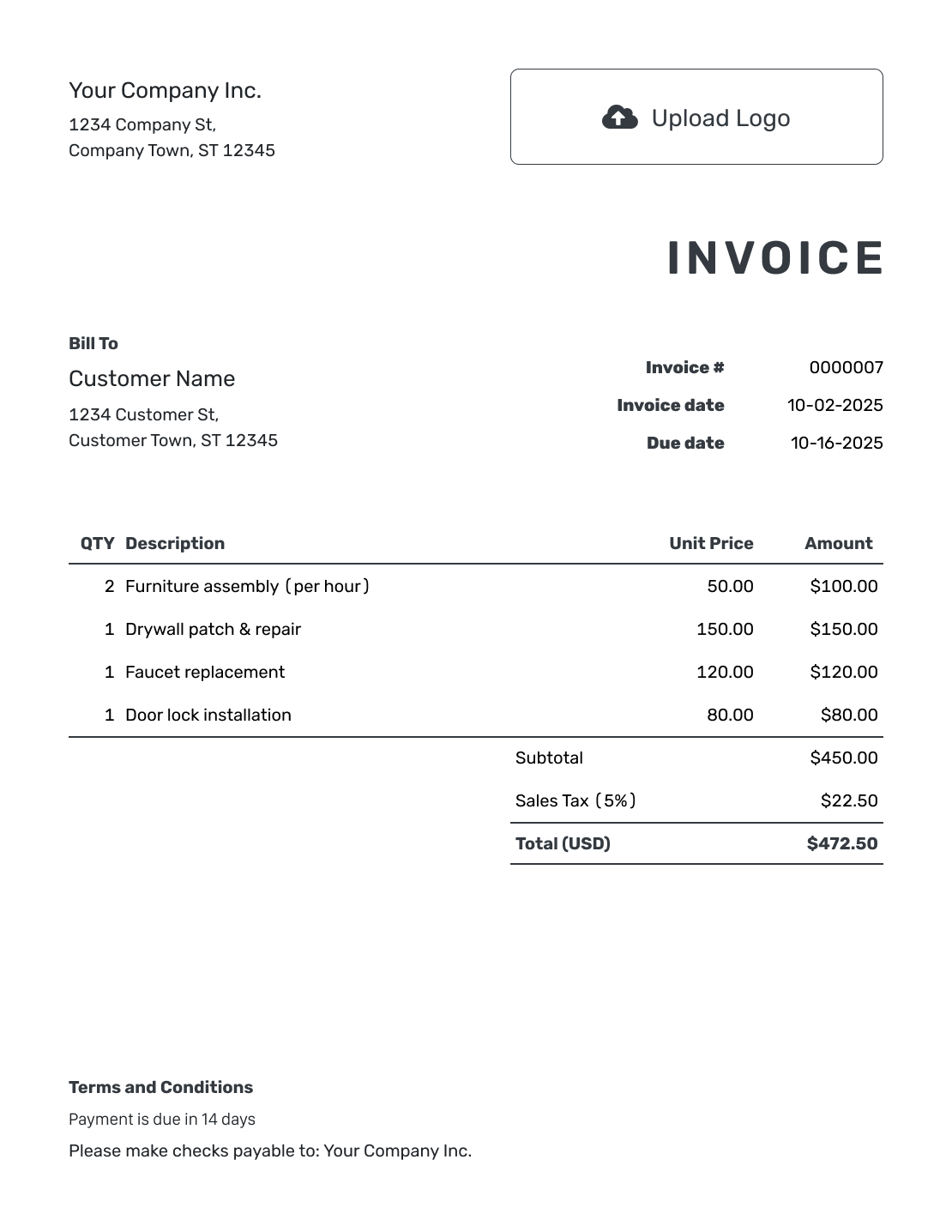
Printable Invoice Layout
Create Free Invoice
See six more invoice layouts below.
Keep the Invoice and Record What Was Paid
A paid invoice keeps the original charges together with the payment record. The invoice total shows what you billed. The remaining balance shows what is still unpaid.
Record the amount you received and the payment date. Leave the original prices unchanged; the payment reduces the balance, not the sale price.
Record the Payment on the Existing Invoice
Check your payment records before entering anything. Use the invoice the customer actually paid.
- Open the Matching Invoice: Match the customer, invoice number and payment reference.
- Enter the Payment: Record the amount received and payment date. Add an optional reference note when useful.
- Check the Remaining Balance: Docelf marks the invoice Paid when it is fully paid. If a balance remains, keep it visible.
- Review the Record: Match the status and balance to the payment you received. The invoice is not emailed until you choose to send it.
Keep the Original Invoice Details
The payment updates the invoice’s status and balance. Keep these details of the original sale; if the sale has no invoice yet, enter them before recording payment.
- Check Your Business: Confirm that the invoice identifies the business that received the payment.
- Keep the Same Logo: Use the same business design as the original bill.
- Match the Customer: Check that the payment belongs to this customer and invoice.
- Keep the Invoice Reference: Keep the original number and issue date. The payment has its own date.
- Review the Original Charges: Check the items and rates without replacing them with the amount paid.
- Check the Invoice Total: Check that the subtotal, tax and total still match the original bill.
- Keep the Agreed Terms: Retain the original terms and a contact for questions about the completed work.
How a Paid Invoice Shows Charges and Payments
Keep the line items from the original sale. Show payments separately so the customer can follow the invoice total and the amount left to pay.
This fictional door-hardware repair was billed on invoice INV-1042 and paid in full on September 3, 2026. All amounts are in USD. The original bill applies an illustrative 8% sales tax to all three charges.
| QTY | Description | Unit Price | Amount |
|---|---|---|---|
| 1 | Replacement door closer | $135.00 | $135.00 |
| 2 | Door hardware fitting — hours | $75.00 | $150.00 |
| 1 | Mounting kit | $15.00 | $15.00 |
| Subtotal | $300.00 | |
| Sales Tax (8% example) | $24.00 | |
| Invoice Total | $324.00 | |
| Payment — September 3, 2026 | −$324.00 | |
| Remaining Balance | $0.00 |
The $324.00 payment clears the invoice. Its original total remains $324.00; the remaining balance is $0.00. Keep the original tax details rather than adding tax again when recording payment.
What to Keep in Paid Invoice Terms
Keep the terms you agreed for the original sale. Receiving payment does not change the original due date.
Use the invoice’s payment record for the amount and date, not just a text note in Terms and Conditions. Adapt the example below to your original sale and agreed terms.
Example: Terms and Conditions
- Invoice INV-1042 covers the door-hardware work listed for [Site Reference].
- The work and charges follow [Work Order Reference].
- Original payment due date: September 5, 2026.
- Please include INV-1042 when contacting [Billing Contact] about this work.
Start With a Clear Billing Record
Create an invoice for a sale you have not recorded yet. Add the charges, then record the customer’s payment on that invoice.
Paid, Partly Paid, or No Longer Payable?
If your customer pays in stages, record each payment with its own amount and date. The invoice becomes Paid only when the payments cover the full total.
Use Void or Write Off when an invoice no longer needs to be paid. Neither status means the customer paid you. Choose the status that matches what happened.
For the payment steps, see how to record an invoice payment.
Send the Payment Confirmation the Customer Needs
Use the paid invoice to keep the bill and its payment record together. After recording the payment, create a receipt from that invoice when the customer needs a separate confirmation of the amount received. The invoice receipt guide explains that next step.
Use the same logo, fonts and colors on the invoice and receipt. Keep the original currency and add your billing contact in the footer. Attach a PDF or image only when it helps explain the payment.
Before you email the document or download a PDF, check the invoice number. Make sure the payment amount and remaining balance match your records.
More Invoice Layouts
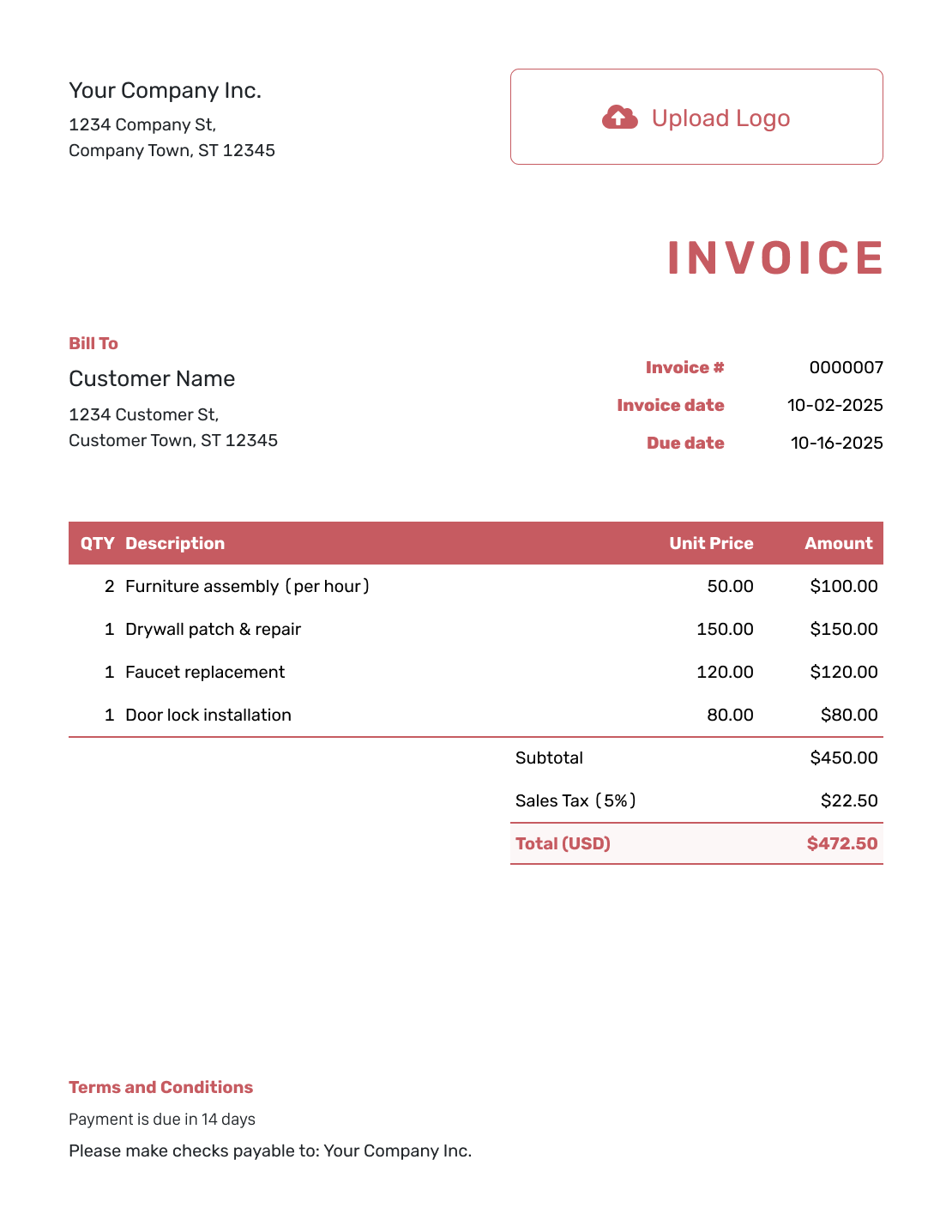
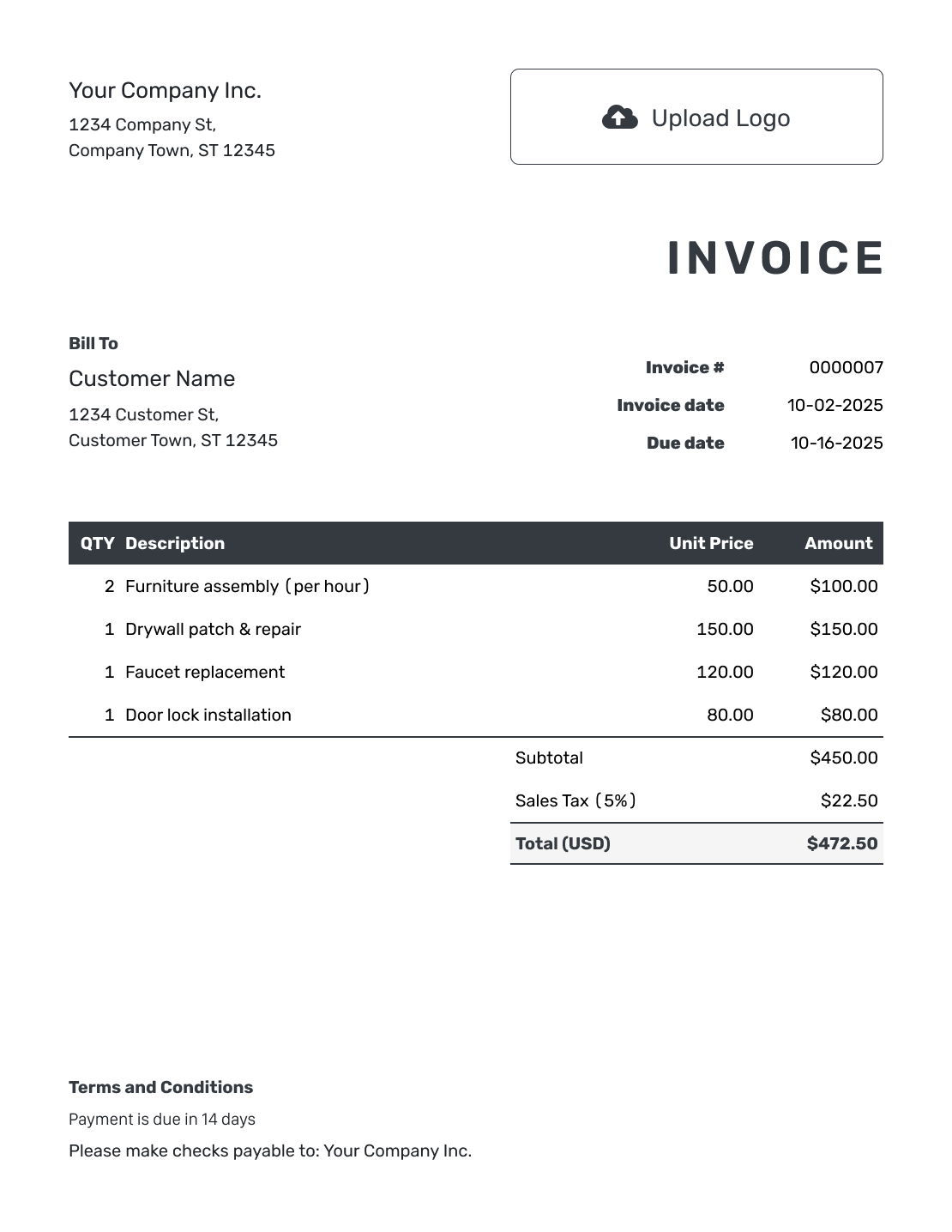
These six layouts open the same invoice editor. Use the original invoice when recording a payment for a sale you have already billed.
Keep a Payment Record in Your Preferred File Format
These are editable invoice templates. When working in a file, add the actual payments and check the balance yourself. A Paid label alone is not a substitute for the amount and date received.
Paid Invoice FAQs
-
How does an invoice become Paid in Docelf?
Record the payment amount and date on the invoice. Docelf marks the invoice Paid when it is fully paid. Check the money received before recording it.
-
Should I create another invoice after the customer pays?
Not for a sale that already has an invoice. Open the original invoice and record the payment there. Create a receipt from it when the customer needs a separate payment confirmation.
-
Can I record more than one payment on an invoice?
Yes. Record each payment with its amount and date. Docelf keeps track of the remaining balance. Leave that balance visible until the full invoice amount has been paid.
-
Should I change the invoice total to zero?
No. Keep the original charges and invoice total. A full payment reduces the remaining balance to zero; it does not change the value of the sale.
-
Is a paid invoice the same as a receipt?
They serve related purposes. A paid invoice keeps the bill and payment record together. A receipt separately confirms payment. Docelf can create a receipt from an invoice after you record the payment.
-
Does Paid mean Docelf checked my bank account?
The Paid status reflects the payments you enter. Check that you received the money before you record a payment in Docelf.
-
What does the Create Free Invoice button do here?
It opens the invoice generator for a new invoice. To update an invoice you already have, open that invoice in your Docelf account and record its payment there.
Need an Invoice for a Payment You Received?
Create the missing invoice before recording the payment. Already have the invoice? Use that one.
- Keep the original sale details clear
- Record the amount received and payment date
- Review the Paid status and remaining balance