Free Dump Receipt Template
Create a professional dump receipt in minutes
Describe the hauling or disposal job and the load covered by the payment. Your customer gets proof of payment, and you keep a clear service record.
Email, print or download your receipt as a PDF.
14-day free trial. No credit card required.
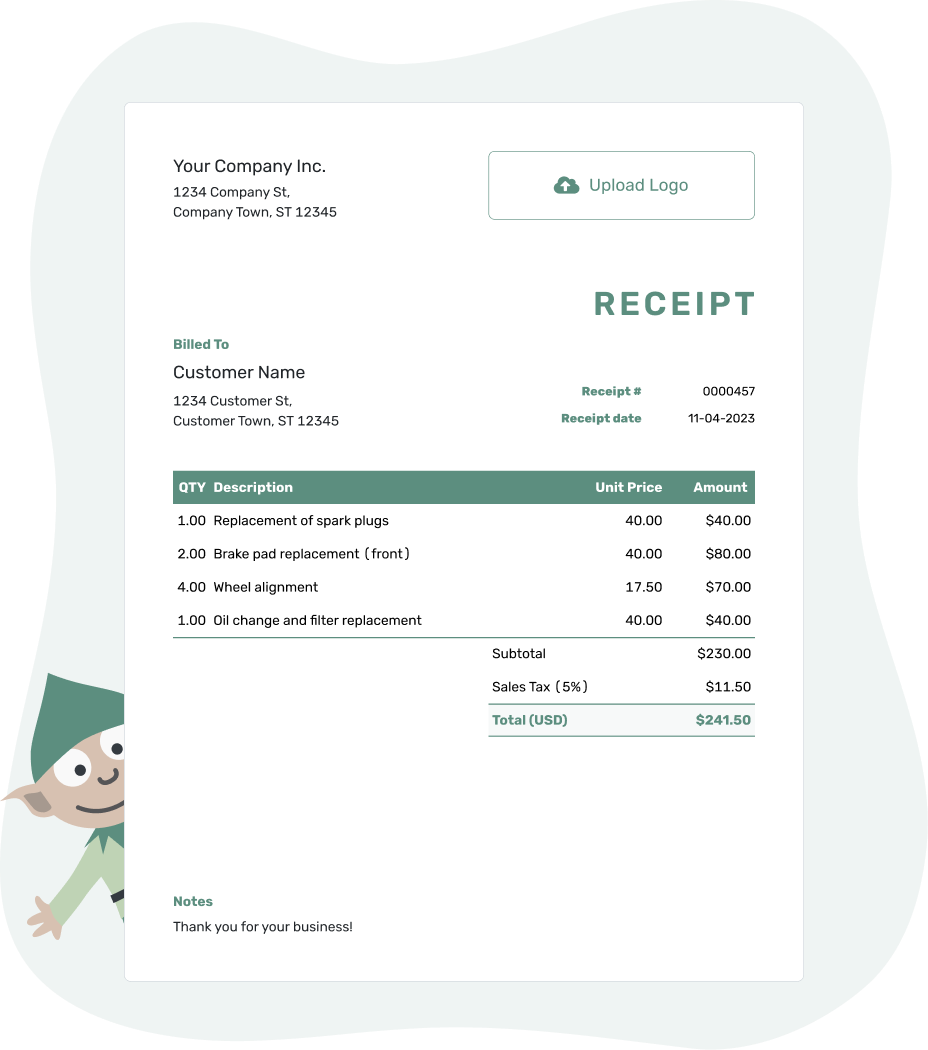
Record the payment. Send the receipt. Get back to work.
Dump Receipt Examples for Hauling and Disposal Payments
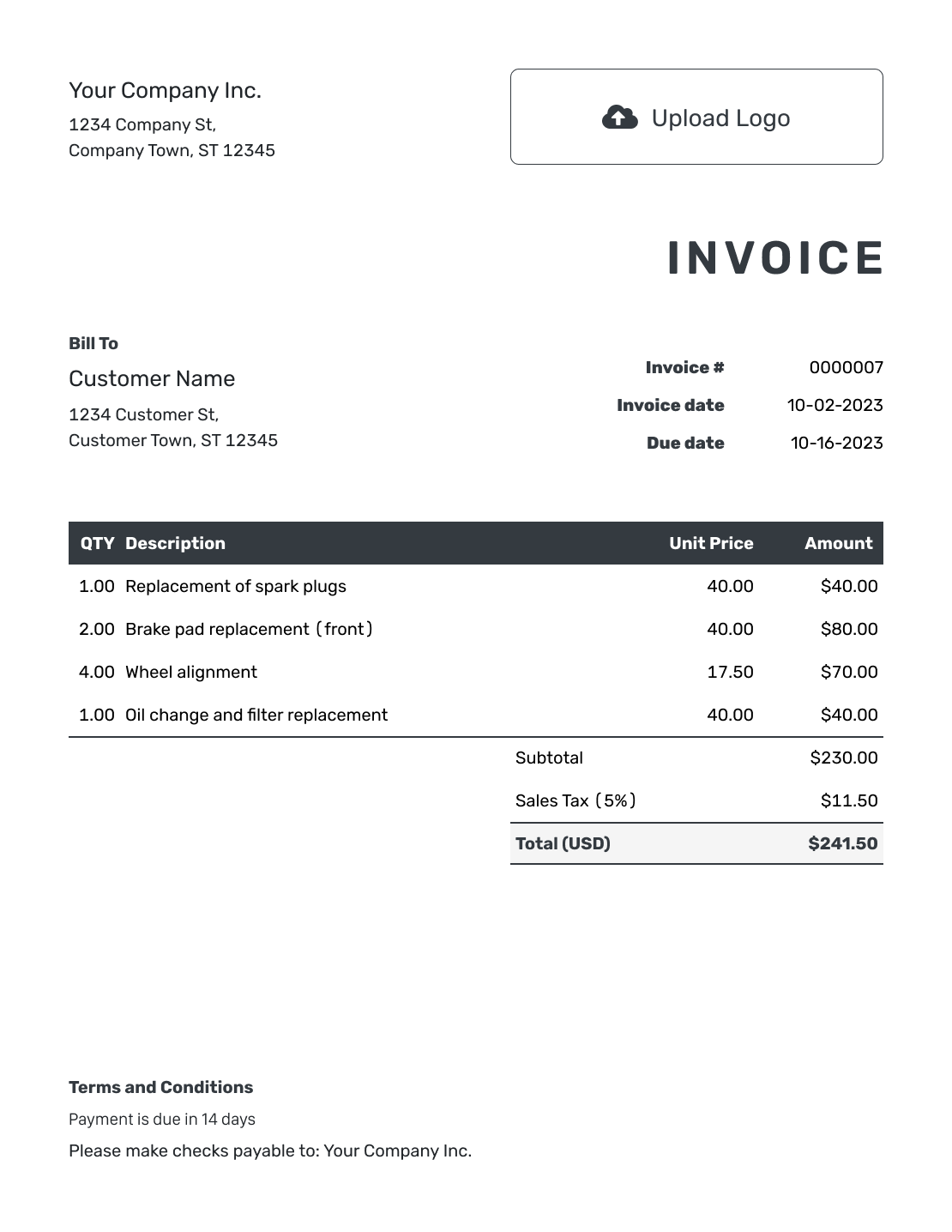
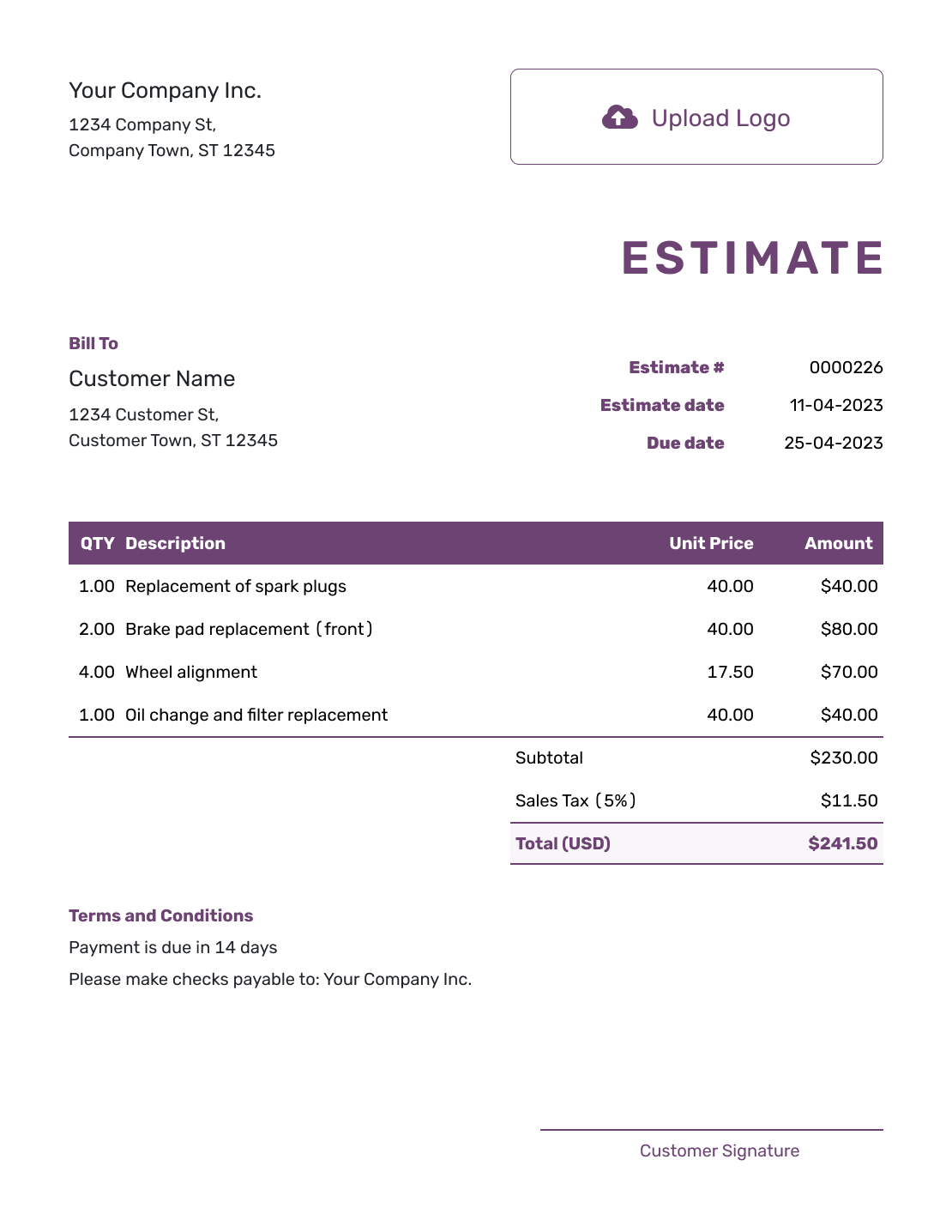
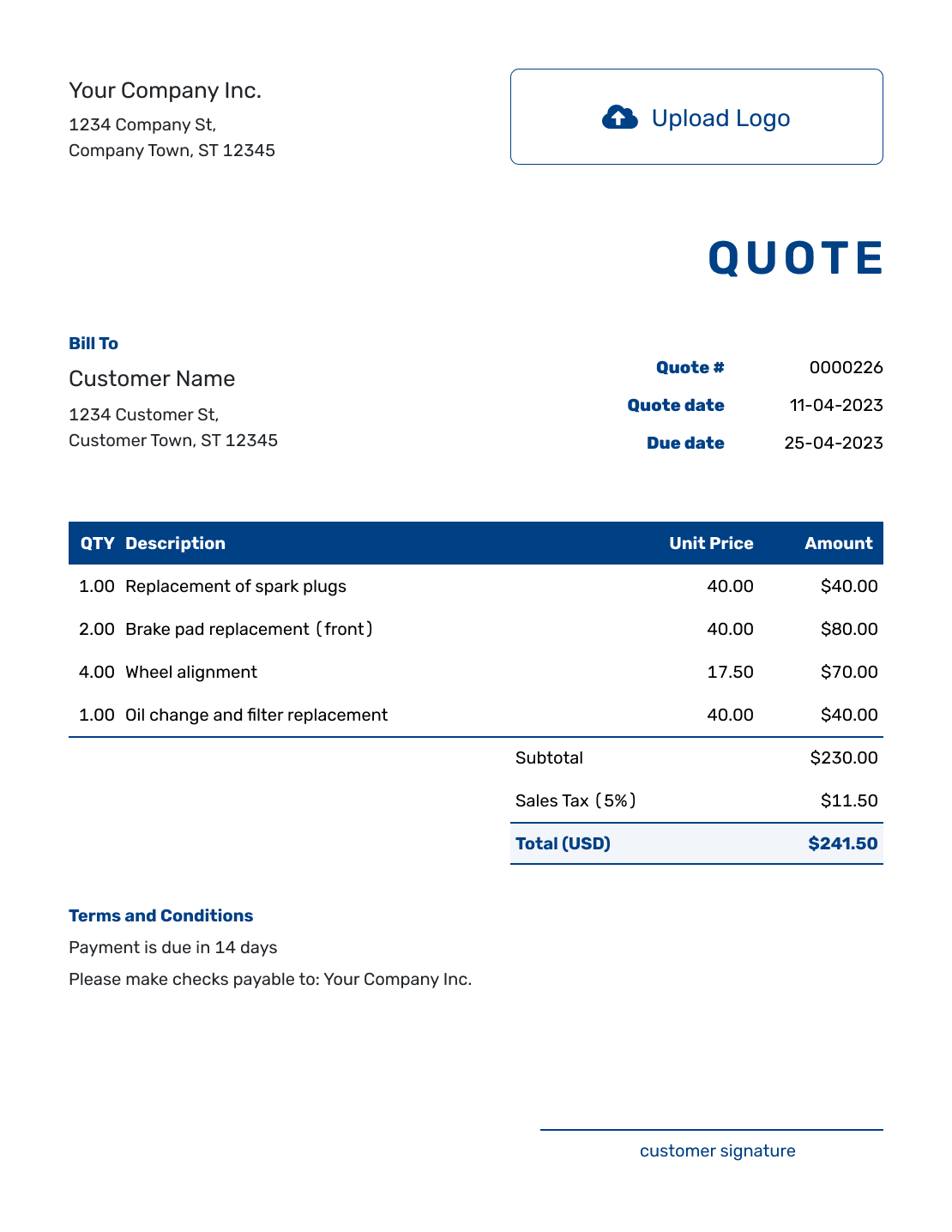
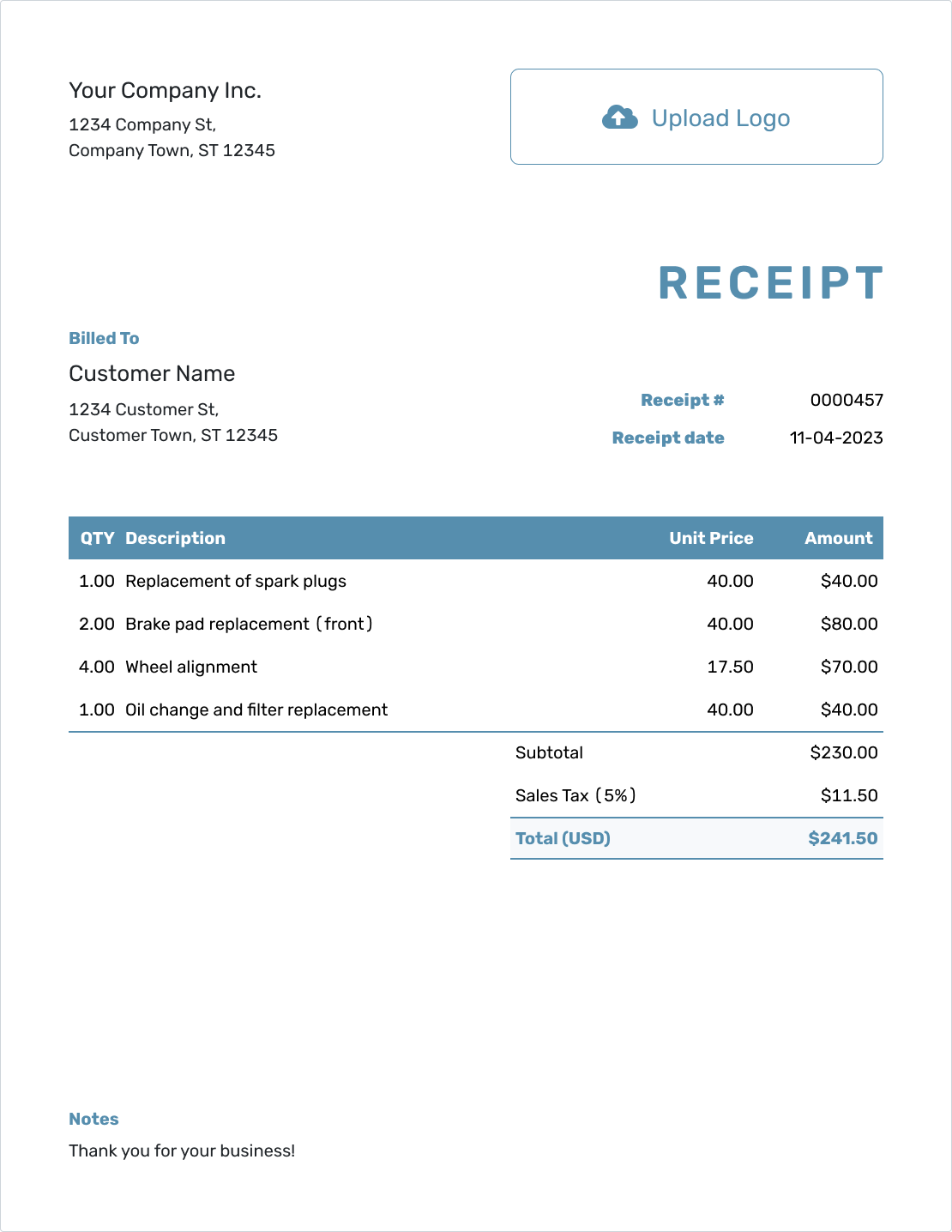
Give your customer a receipt for the haul or disposal service they paid for. These previews open the same receipt editor, where you add your own load and payment details.
-
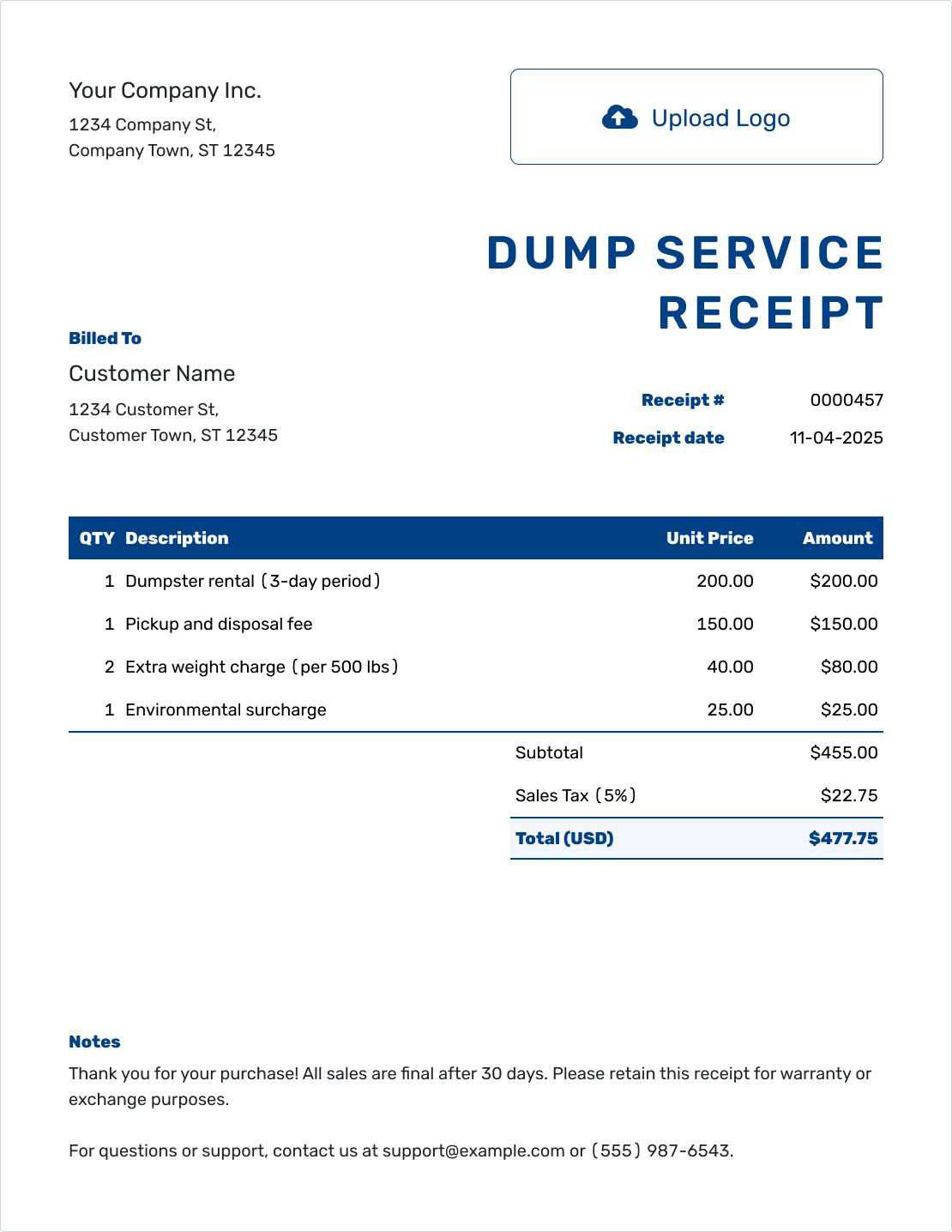
Sample Dump Receipt Template
Create Free Receipt -
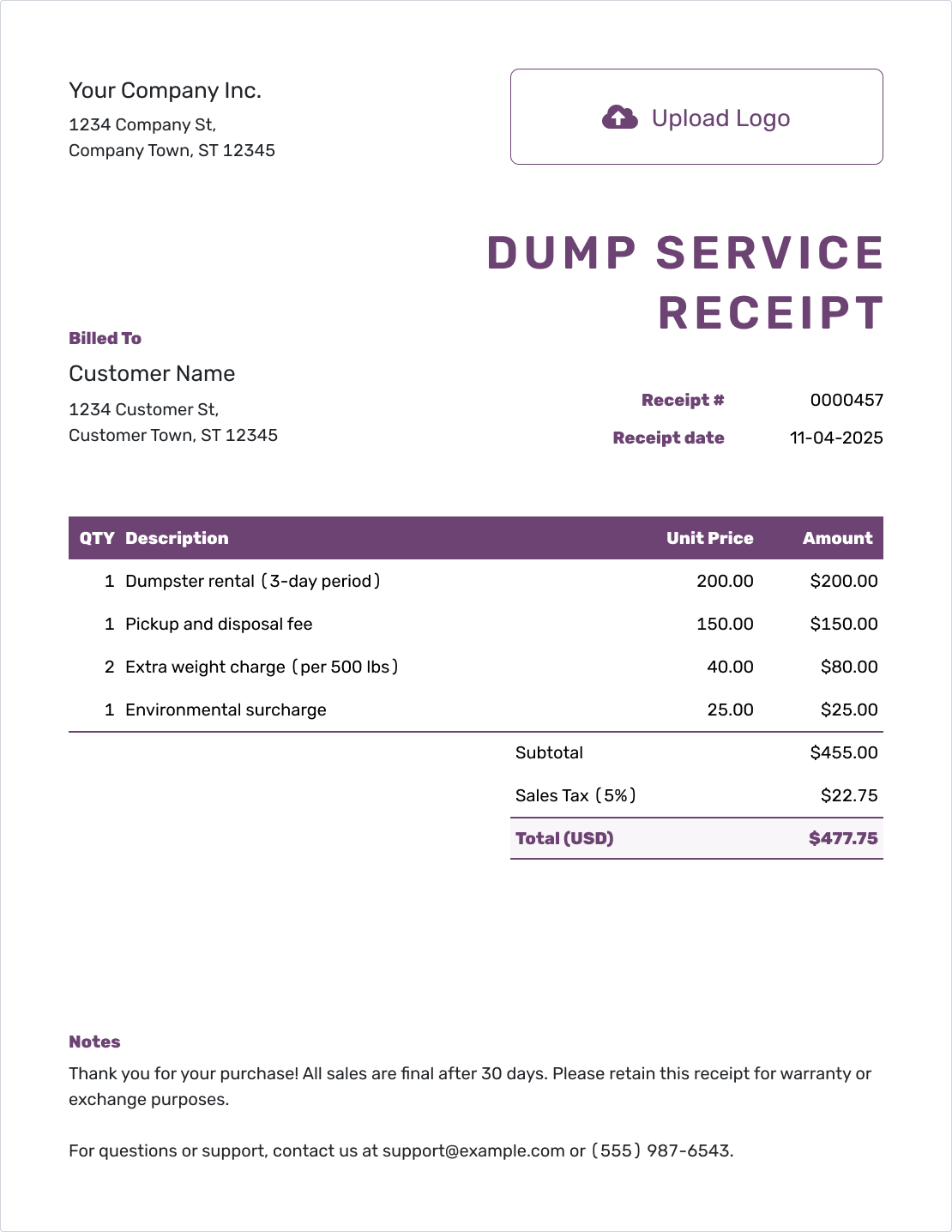
Free Dump Receipt Template
Create Free Receipt -
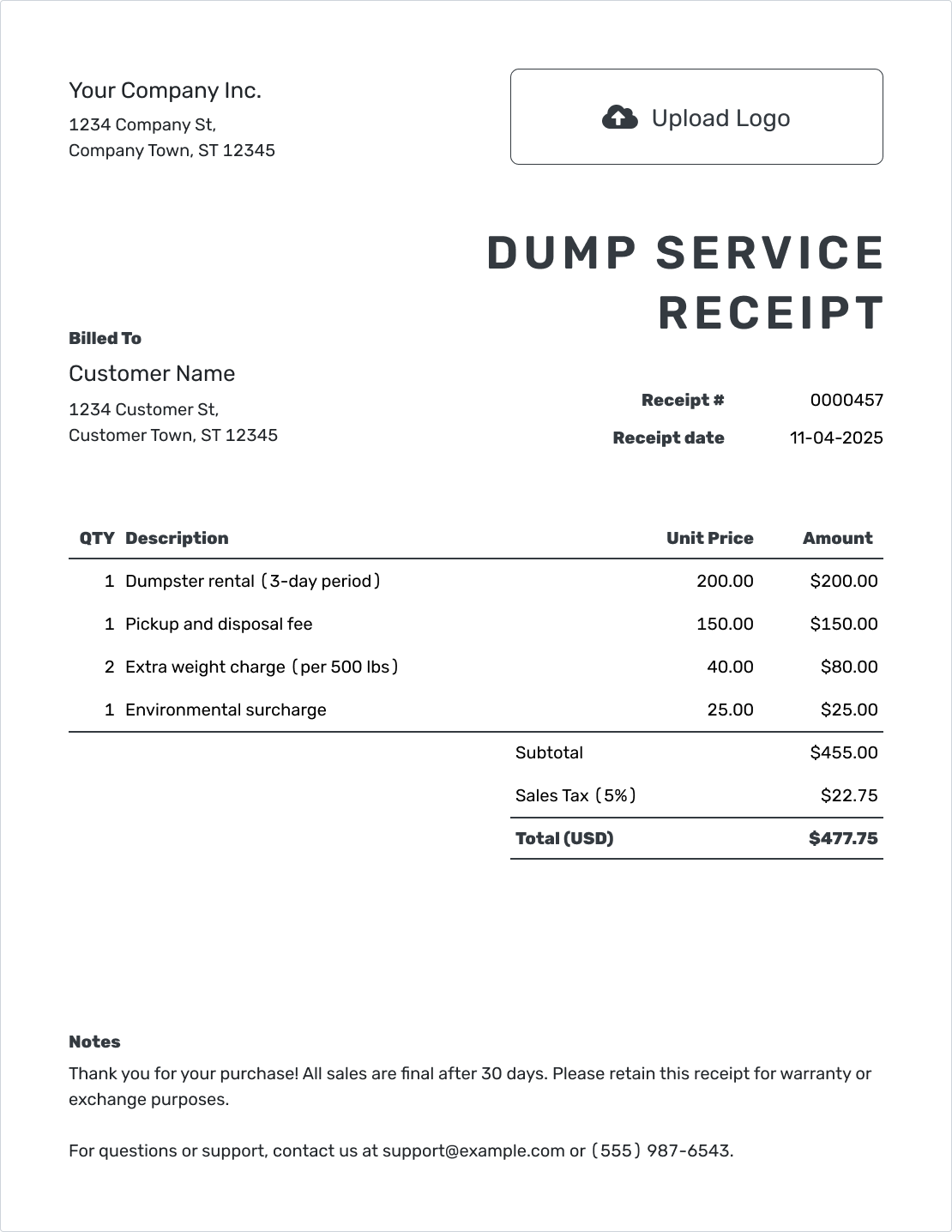
Printable Dump Receipt Template
Create Free Receipt
Browse six more dump receipt previews below.
How to Create a Dump Receipt
Use the job record to identify the load and charges your customer paid. When the hauling job already has a Docelf invoice, record payment and create the receipt from the invoice. Review the copied items against the completed job.
You can also start a standalone receipt with the fields below. Choose a starting receipt number; Docelf gives later receipts their next numbers.
- Your Business: Add your hauling business and contact details.
- Your Logo: Use your logo to match your other job paperwork.
- The Customer: Enter the customer who paid for the haul.
- Number and Date: Check the number. Use the date you received payment.
- The Load: List hauling, loading, and disposal charges with their units.
- The Payment: Record the amount received and payment method. Check any applicable tax or discount.
- Notes and Send: Add the job reference in Notes. Review, then email or download a PDF.
Show What the Hauling and Disposal Payment Covers
The charges should reflect how you priced the haul. A flat load price, loading labor, and a disposal fee can have separate lines when you priced them separately. Docelf calculates the amounts from the quantities and rates.
This fictional US-dollar example covers a household cleanout. Truck transport, loading labor, and disposal have separate prices. The customer paid $379.85 in cash on September 24, 2026, which is the receipt date. For illustration only, 7% tax applies to all three charges, including disposal.
| QTY | Description | Unit Price | Amount |
|---|---|---|---|
| 1 | Truck haul to disposal facility — load | $165.00 | $165.00 |
| 1.5 | Loading labor — worker-hours | $60.00 | $90.00 |
| 1.25 | Disposal charge — tons recorded on facility ticket | $80.00 | $100.00 |
| Subtotal | $355.00 | |
| Sales Tax (7% illustrative) | $24.85 | |
| Total Paid | $379.85 |
The $379.85 cash payment covers the listed haul and disposal charges in full. The prices and tax treatment are examples; use the charges and tax rules that apply to your own hauling job.
Add the Pickup and Disposal References in Notes
The pickup address and haul date connect the receipt to the load. A facility-ticket reference helps explain the disposal charge without repeating the ticket.
In this example, the haul and disposal took place two days before payment. Those service dates belong in Notes; the receipt date remains September 24.
Example: Notes
- Household cleanout load collected from [Pickup Address] on September 22, 2026.
- Disposal recorded at [Facility Name] on September 22, 2026. Facility ticket: D-4816; recorded quantity: 1.25 tons.
- Cash payment received September 24, 2026: $379.85. Paid in full.
Close Out the Hauling Payment
Put the load reference and payment on one clear receipt. Docelf calculates the charges, and you choose whether to email the receipt or keep a PDF.
Your Receipt Is Different From the Facility Ticket
Your receipt confirms what the customer paid your hauling business. The facility ticket holds the disposal site’s own load or transaction details. Keep that original record when you need to explain the disposal fee.
You can attach an existing facility ticket as a PDF or supported image. A short ticket reference in Notes helps the customer match the files. Docelf creates the payment receipt, not a scale ticket or disposal certificate.
Match the Load Quantity to the Agreed Price
Name what you hauled, such as furniture, yard debris, or material from a particular cleanup. Use the agreed pricing unit: a load, hours, measured weight, or volume. State clearly when a volume is an estimate rather than a measurement.
A truck’s capacity does not tell you the actual weight of a load. For a weight-based charge, use the facility record and its unit. For a fixed load price, describe the included hauling and disposal instead of adding an unsupported weight calculation.
Keep the Receipt With the Cleanout Job
Add “Dump” or another accurate industry label before the receipt title, along with your logo, colors, and font. Your phone, email, or website can go in the footer. A ticket or job photo can accompany the receipt when it helps explain the charge.
Docelf supports USD, EUR, GBP, CAD, and AUD. Use the currency of the payment, then email, print, or download the receipt as a PDF. When you email the receipt, Docelf shows delivery and opening information for the document.
For another haul, use saved customer and service details or duplicate a receipt into a new draft. The draft gets a new number. Replace the old load, dates, facility reference, quantities, and payment with the new job’s details.
More Dump Receipt Previews
These additional previews offer other looks for the same payment record. Open the editor to create your own receipt before printing it or downloading the PDF.
-
Blank Dump Receipt Template
Create Free Receipt -
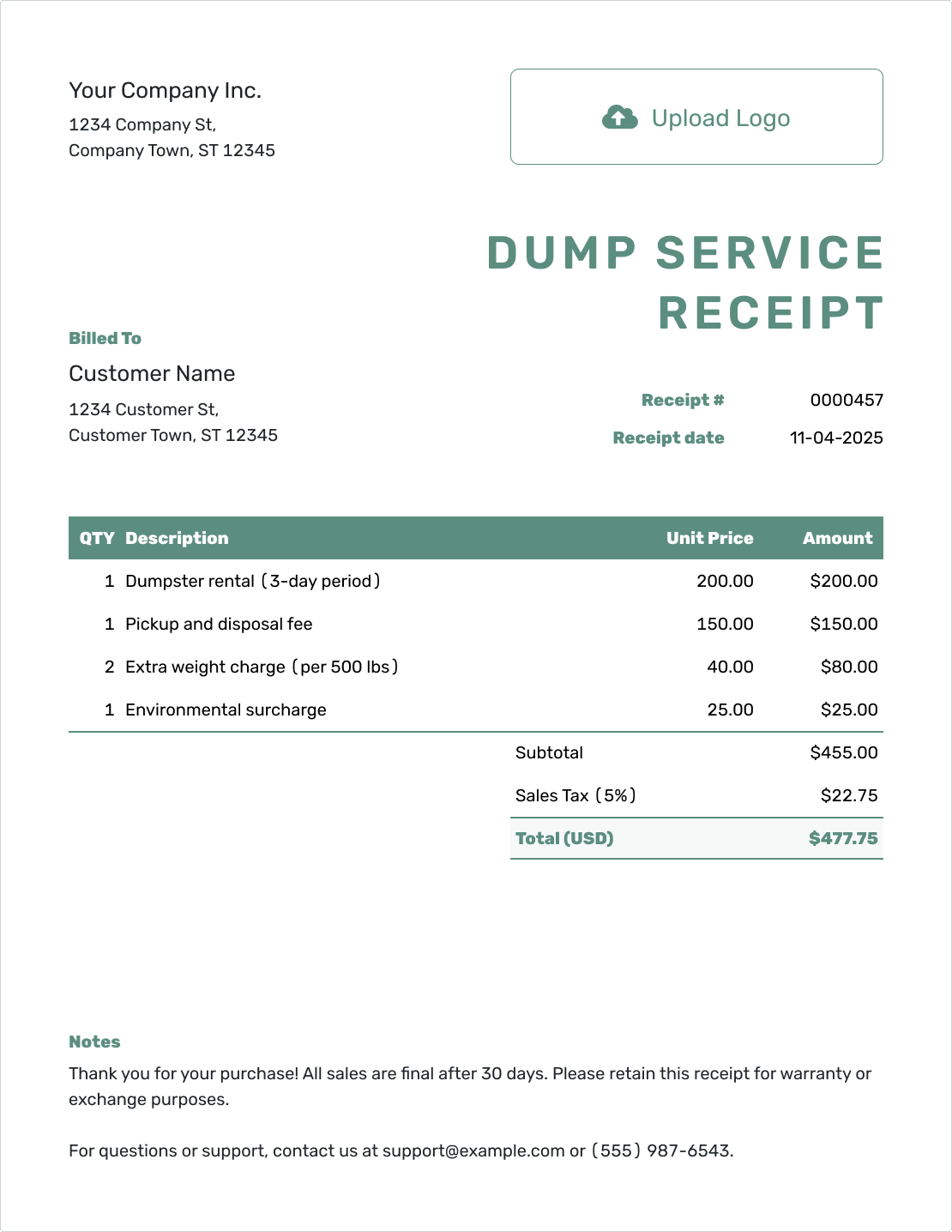
Simple Dump Receipt Template
Create Free Receipt -
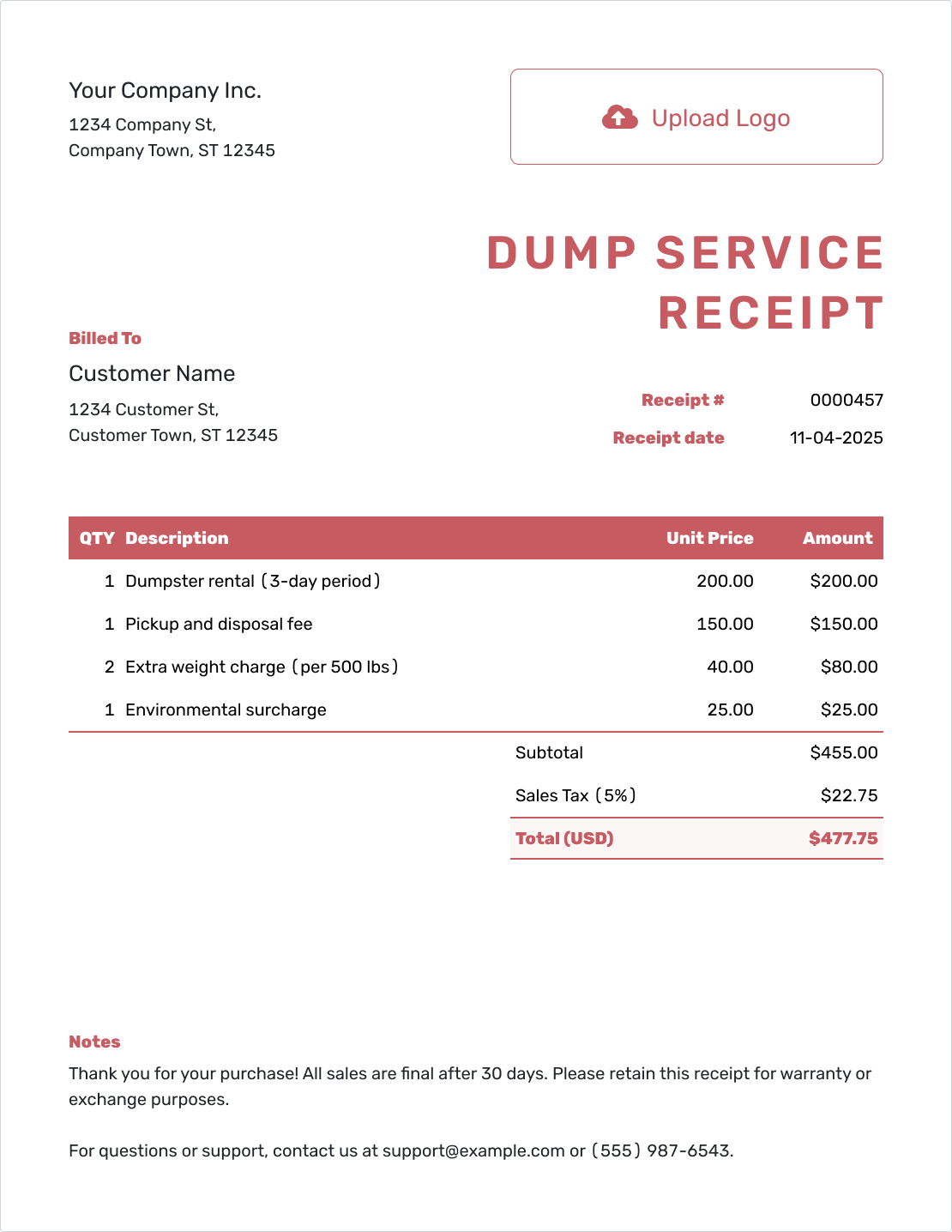
Fillable Dump Receipt Template
Create Free Receipt -
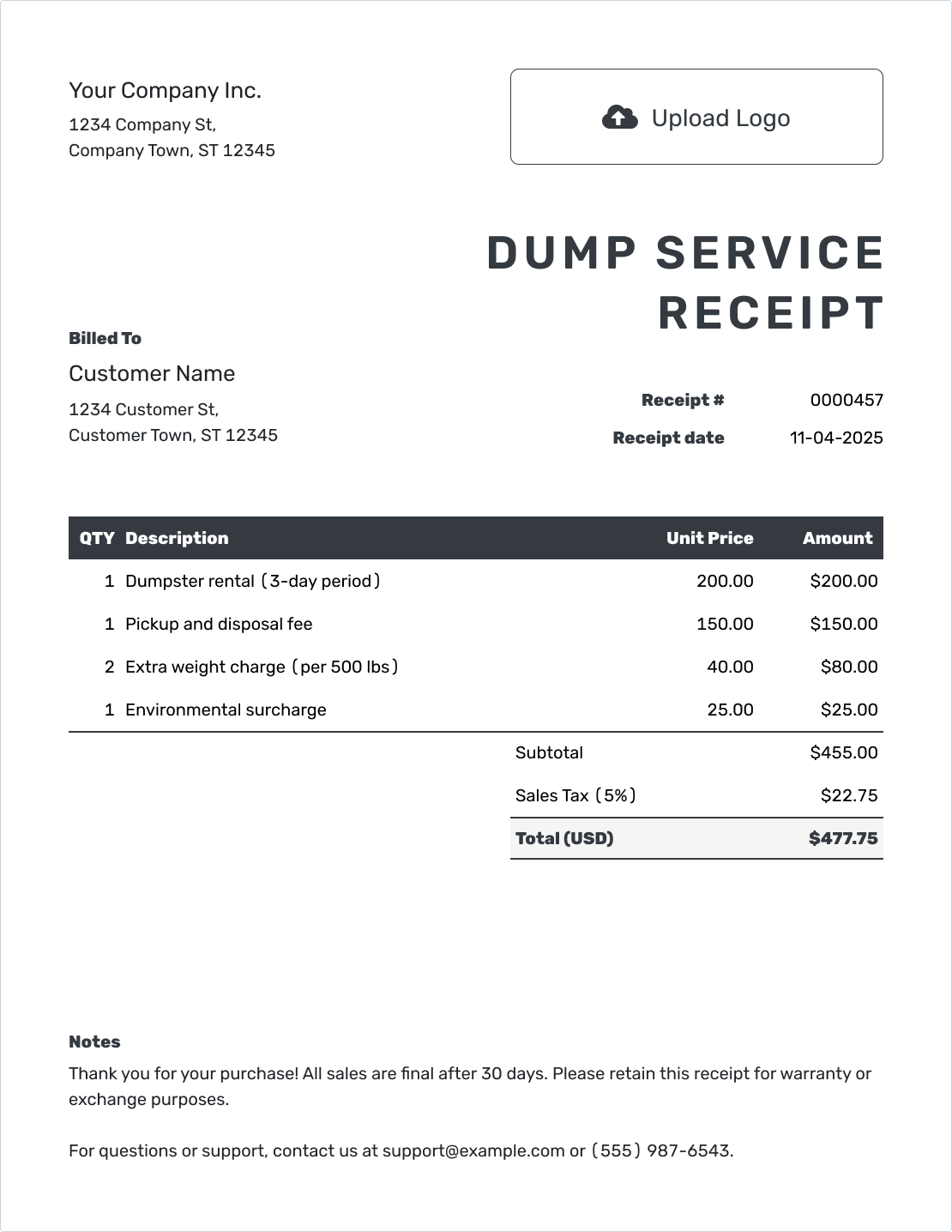
Professional Dump Receipt Template
Create Free Receipt -
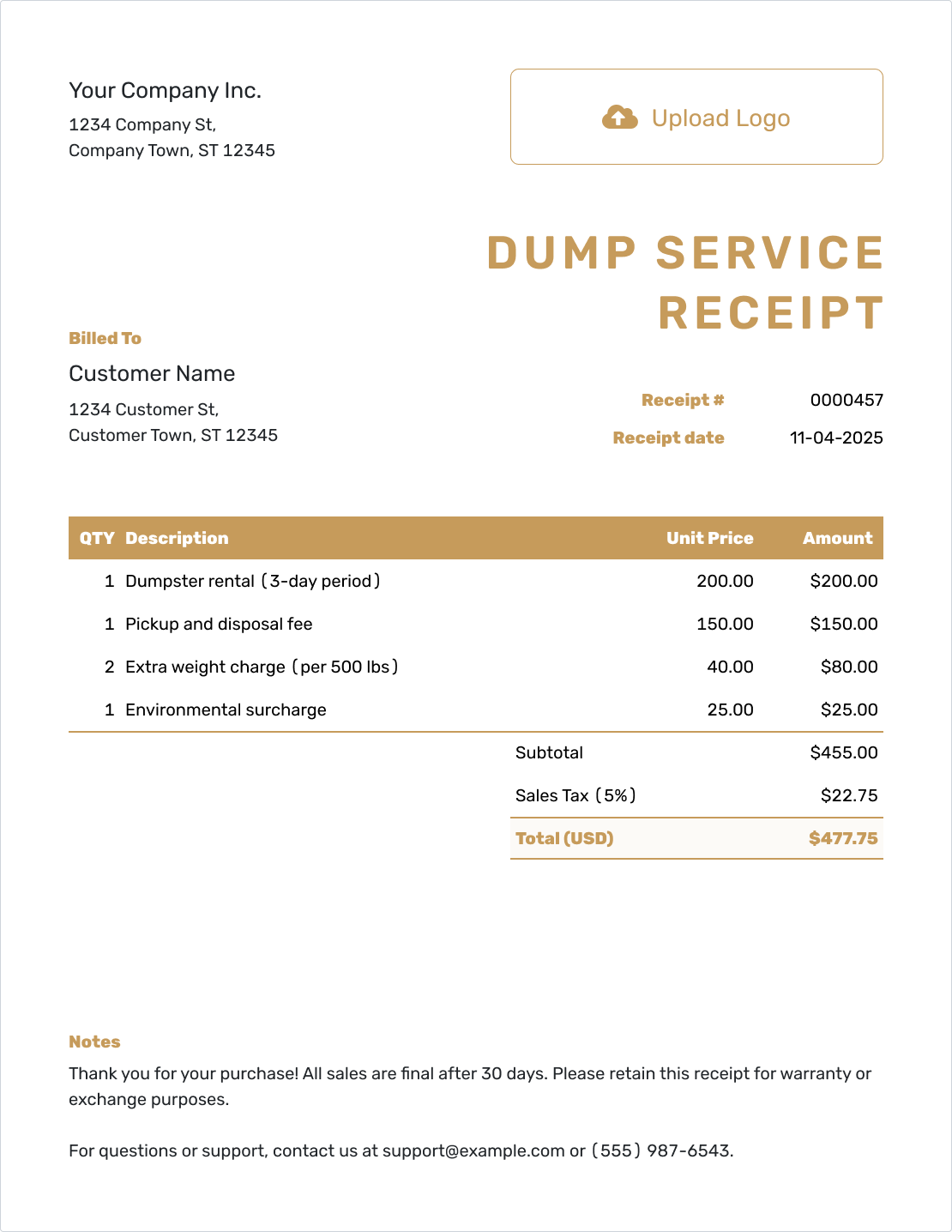
Downloadable Dump Receipt Template
Create Free Receipt -
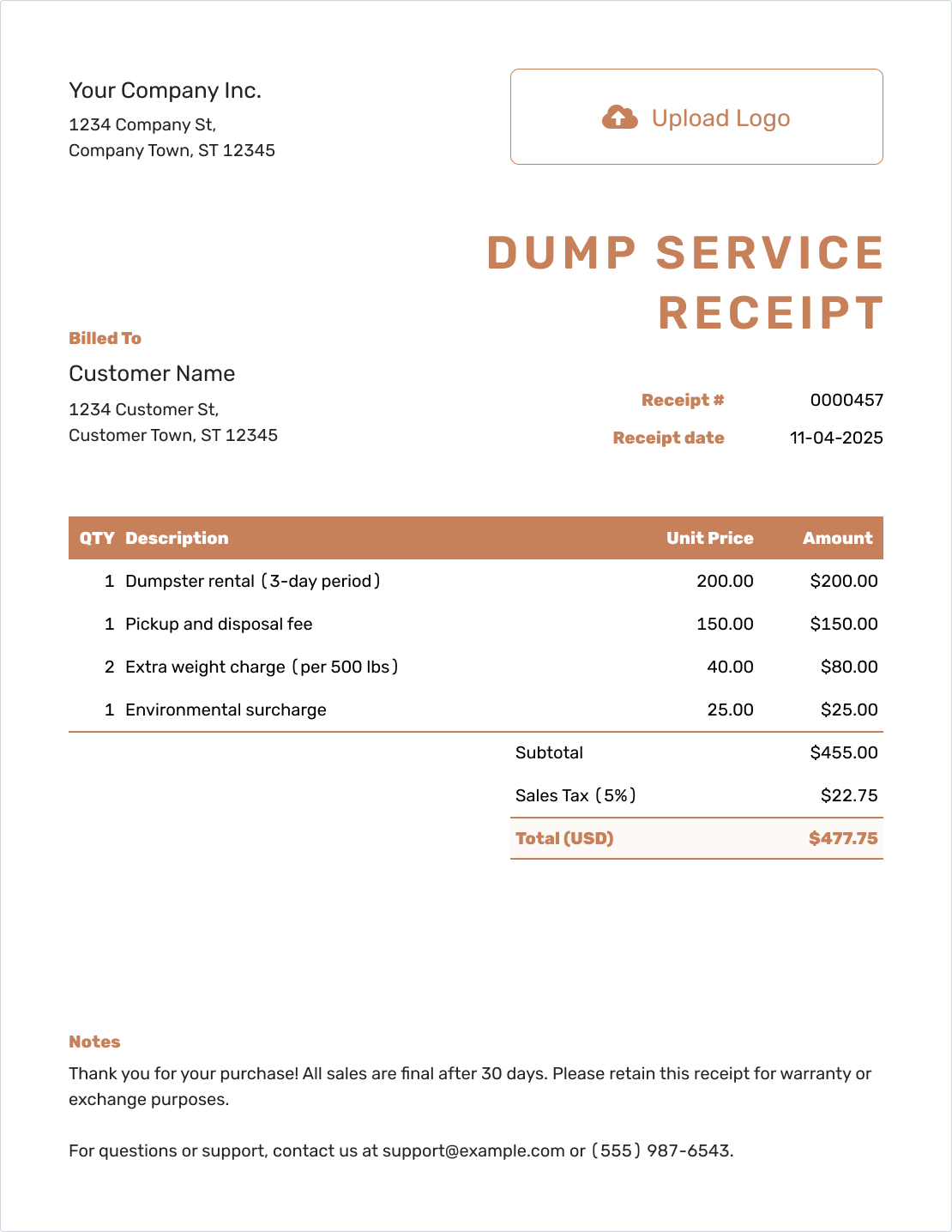
Editable Dump Receipt Template
Create Free Receipt
Choose a File Format for the Hauling Receipt
Use a general Word or Google Docs receipt for an editable document. Excel or Google Sheets may suit a job record with quantities and rates. Keep the load description and the payment clear in either format.
Dump Receipt FAQs
Help with load quantities, disposal tickets, and payments toward a hauling job.
-
Can this receipt replace a disposal facility’s scale ticket?
No. Use this receipt to confirm your customer’s payment for hauling or disposal services. Keep the facility’s original ticket for its recorded load details, and reference or attach it when useful. Do not present your receipt as a document issued by the facility.
-
Should I use weight, volume, or a load count?
Use the unit behind the agreed charge. A per-ton disposal charge should use the quantity and unit on the facility record. A flat-price haul can use one load. Label an estimated volume as an estimate rather than a measured quantity.
-
Should I add a disposal fee when it is included in my load price?
No. Describe the disposal as included in the load price. Add a separate disposal line only when it is a separate charge your customer paid. This keeps the receipt from counting the same cost twice.
-
Which date should I use when the haul and payment happen on different days?
Use the date you received payment as the receipt date, even when you prepare the receipt later. Put the pickup and disposal dates in the description or Notes so the load is still easy to identify.
-
What if the customer paid only part of the hauling bill?
Show the amount received now, any earlier payments, and the remaining balance. If the customer paid only $200.00 toward a $379.85 bill and made no earlier payments, $179.85 remains. Each later receipt records only the new payment.
-
Whose name belongs on a dump receipt?
Name the customer who paid your business. Include the pickup address when it differs from the customer’s address, and add the job reference to identify the load. The disposal facility belongs in the job details, not in place of the paying customer.
Finish the Receipt for the Load
Give the customer a payment record that belongs with the cleanout paperwork.
- Describe the load and separately priced services
- Record the payment and any remaining balance
- Email, print, or download the receipt