Free Estimate Format Template
Put the estimate details in a clear order
Put the scope, likely total and terms in a clear order. Customers can find the important details quickly and feel more confident choosing you for the job.
Use the format below, then create and send the estimate in Docelf.
14-day free trial. No credit card required.
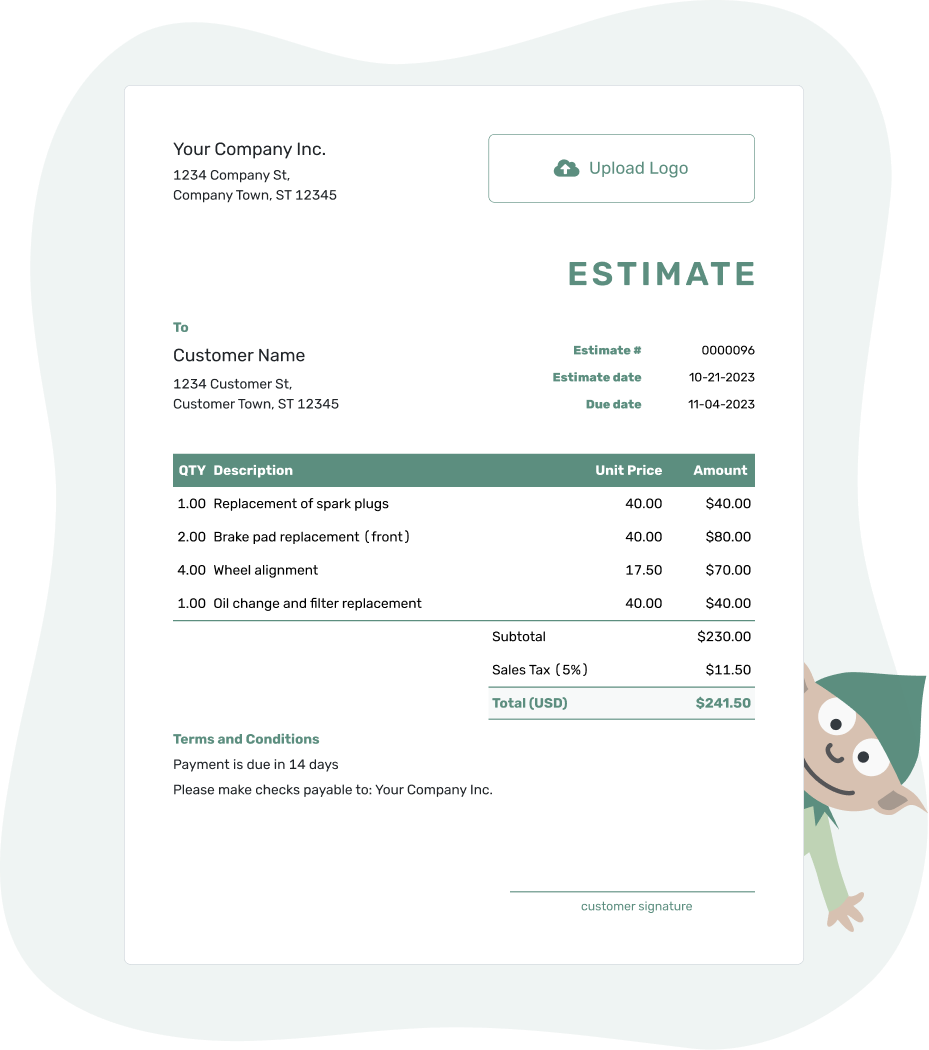
Price the job. Send the estimate. Get back to work.
Estimate Format Layouts With a Clear Reading Order
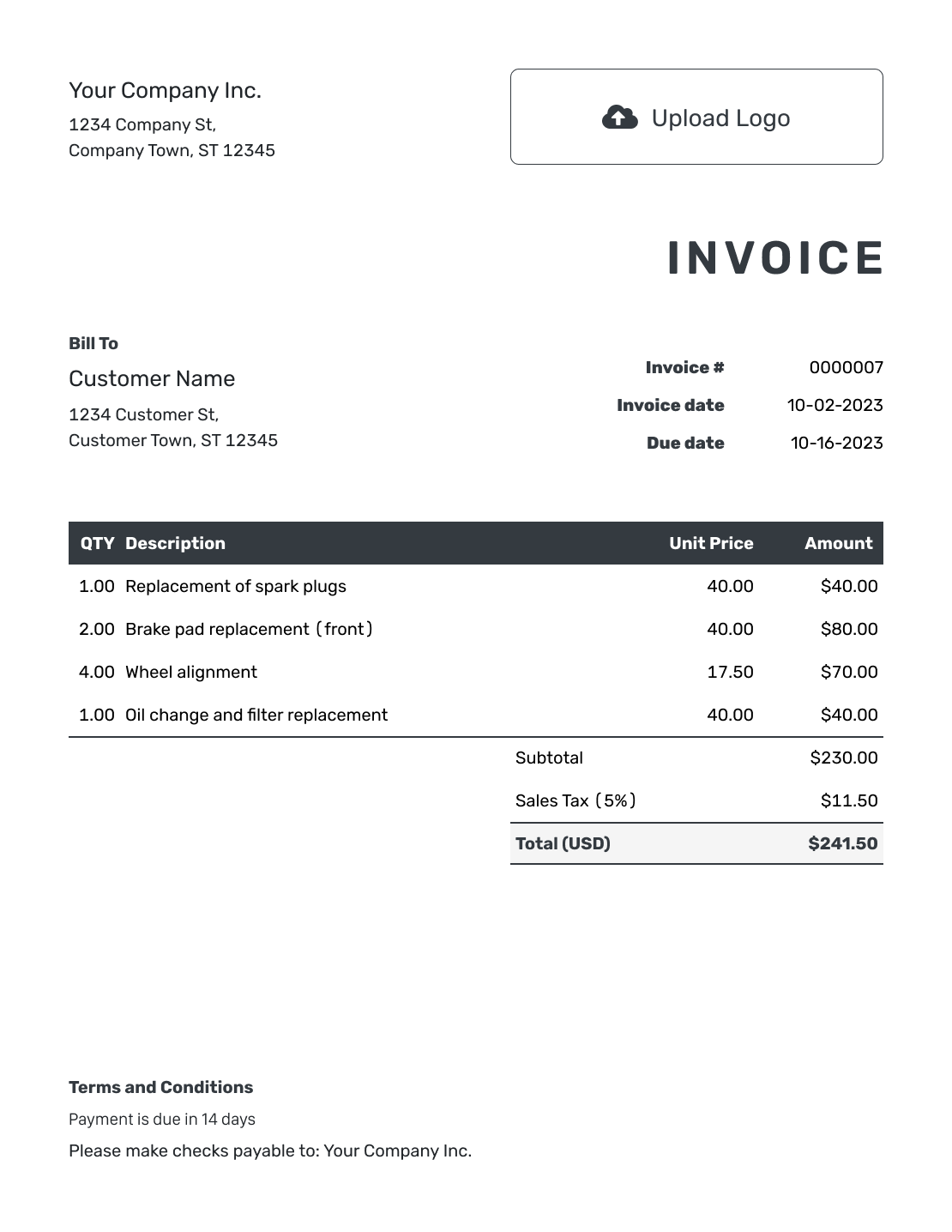
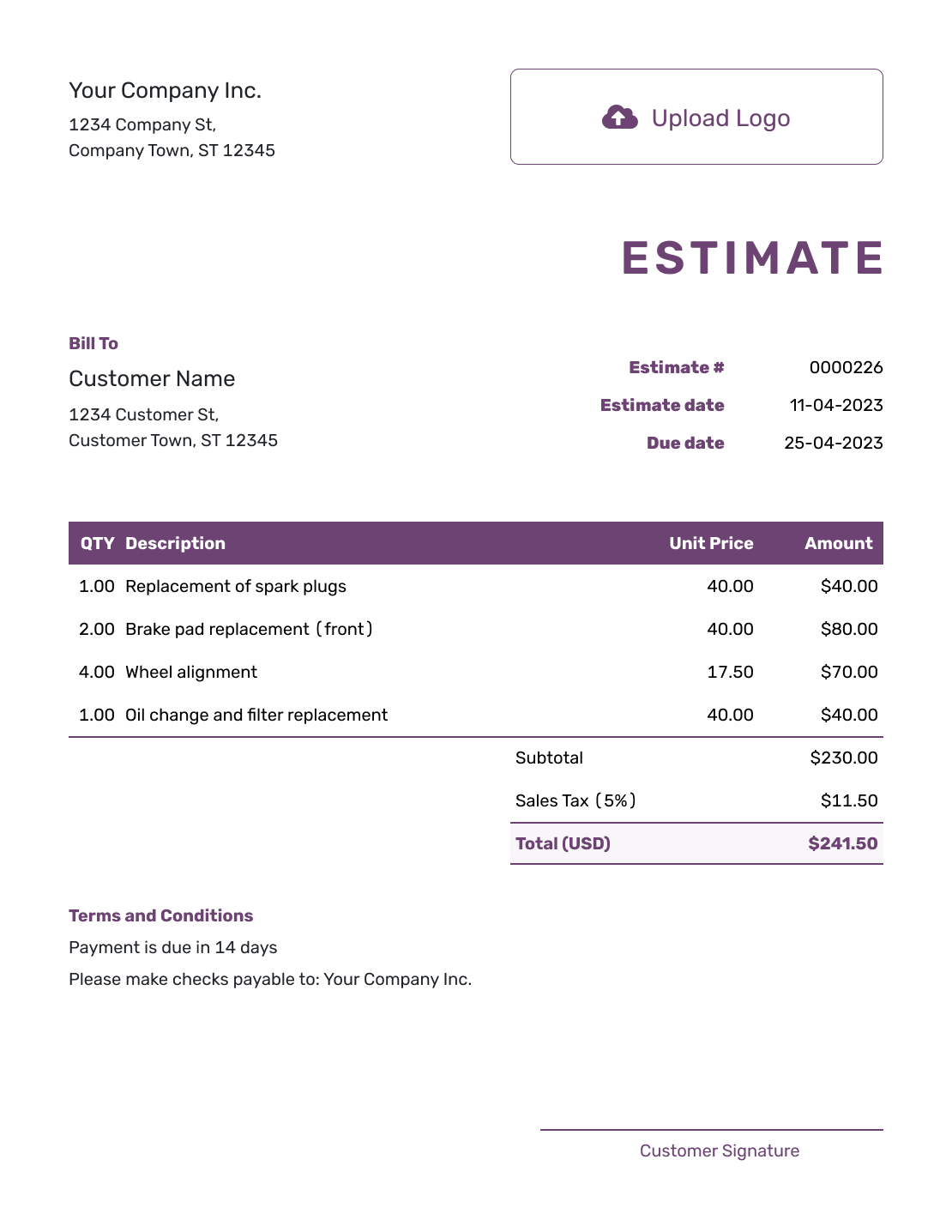
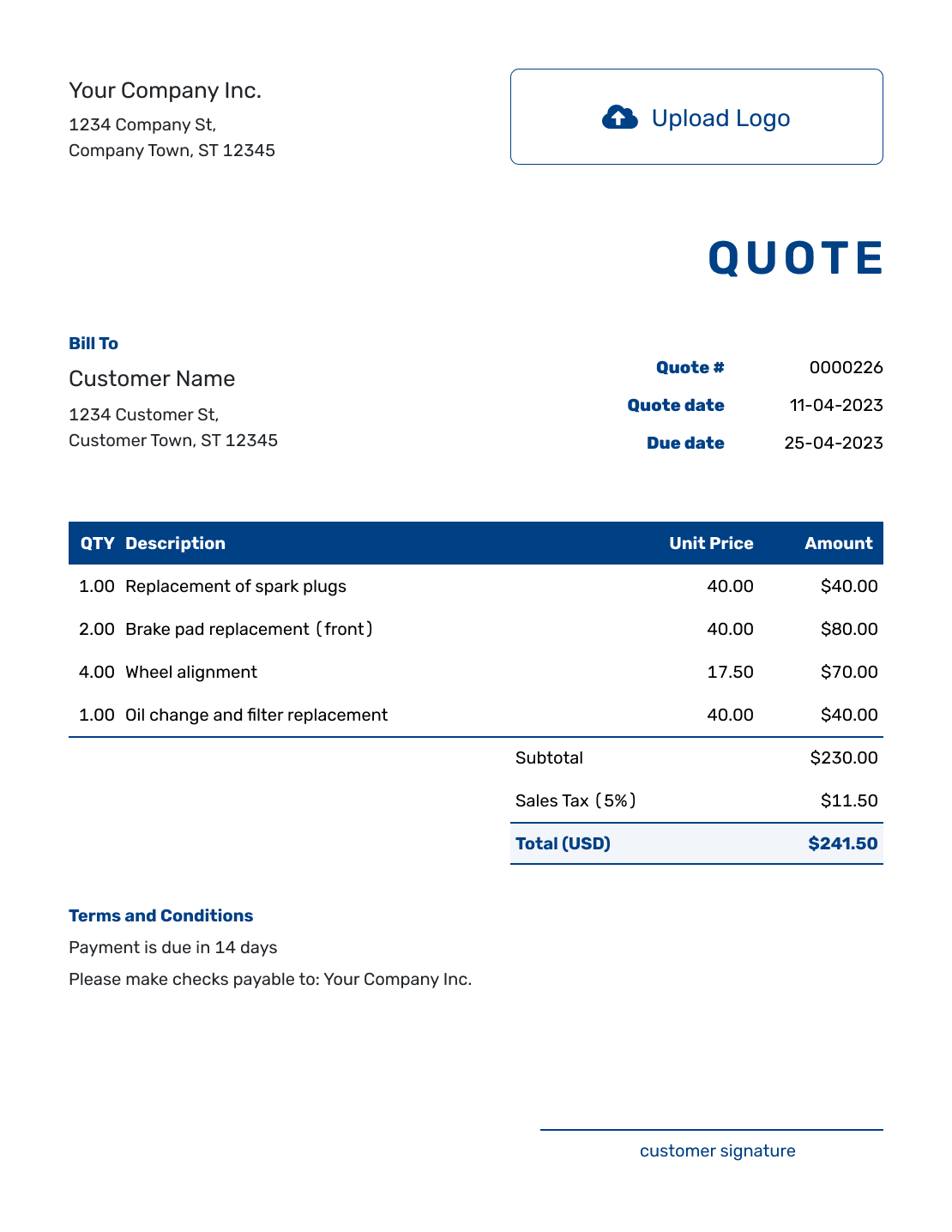
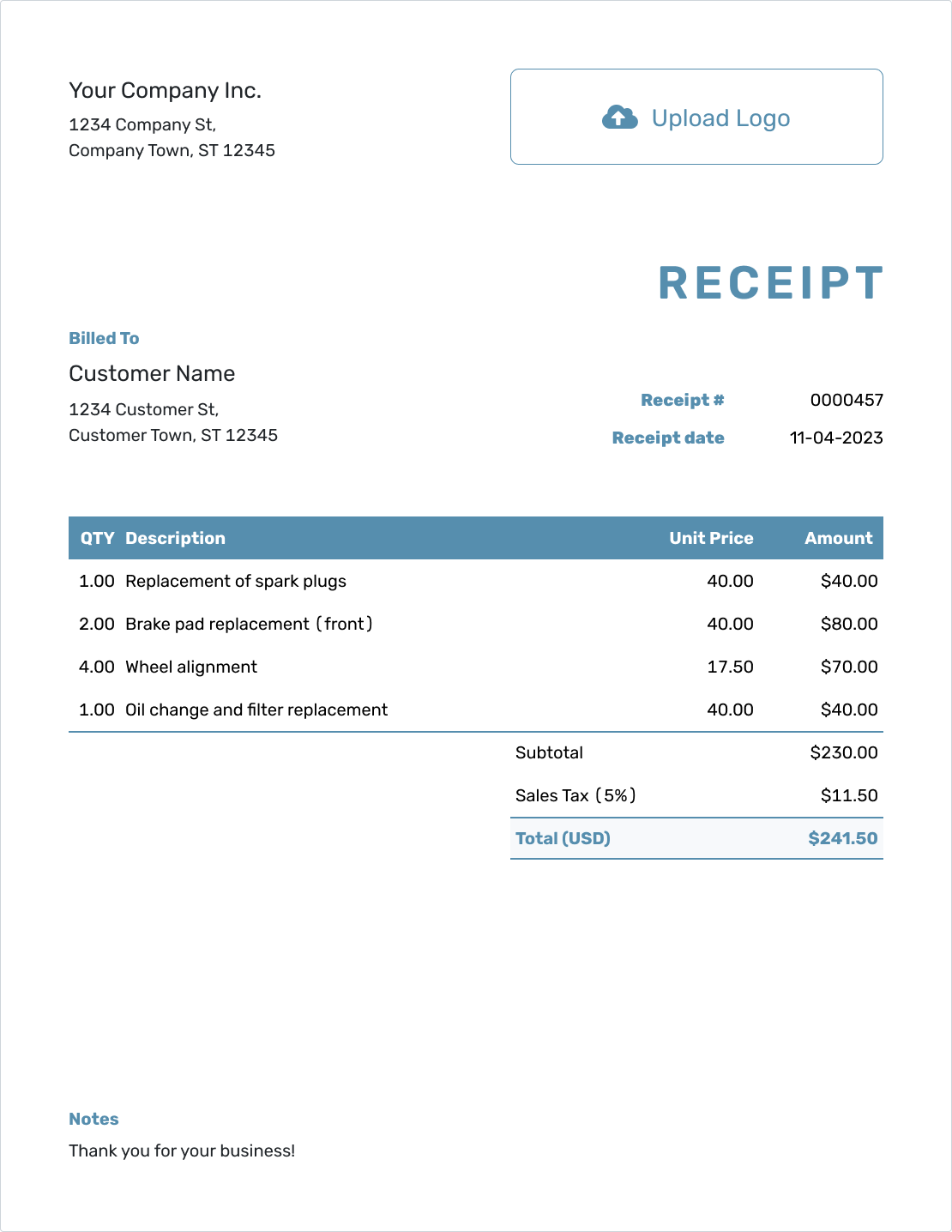
Compare how the layouts arrange the job details and likely price. Each preview opens the same estimate editor, where you can add your own work and terms.
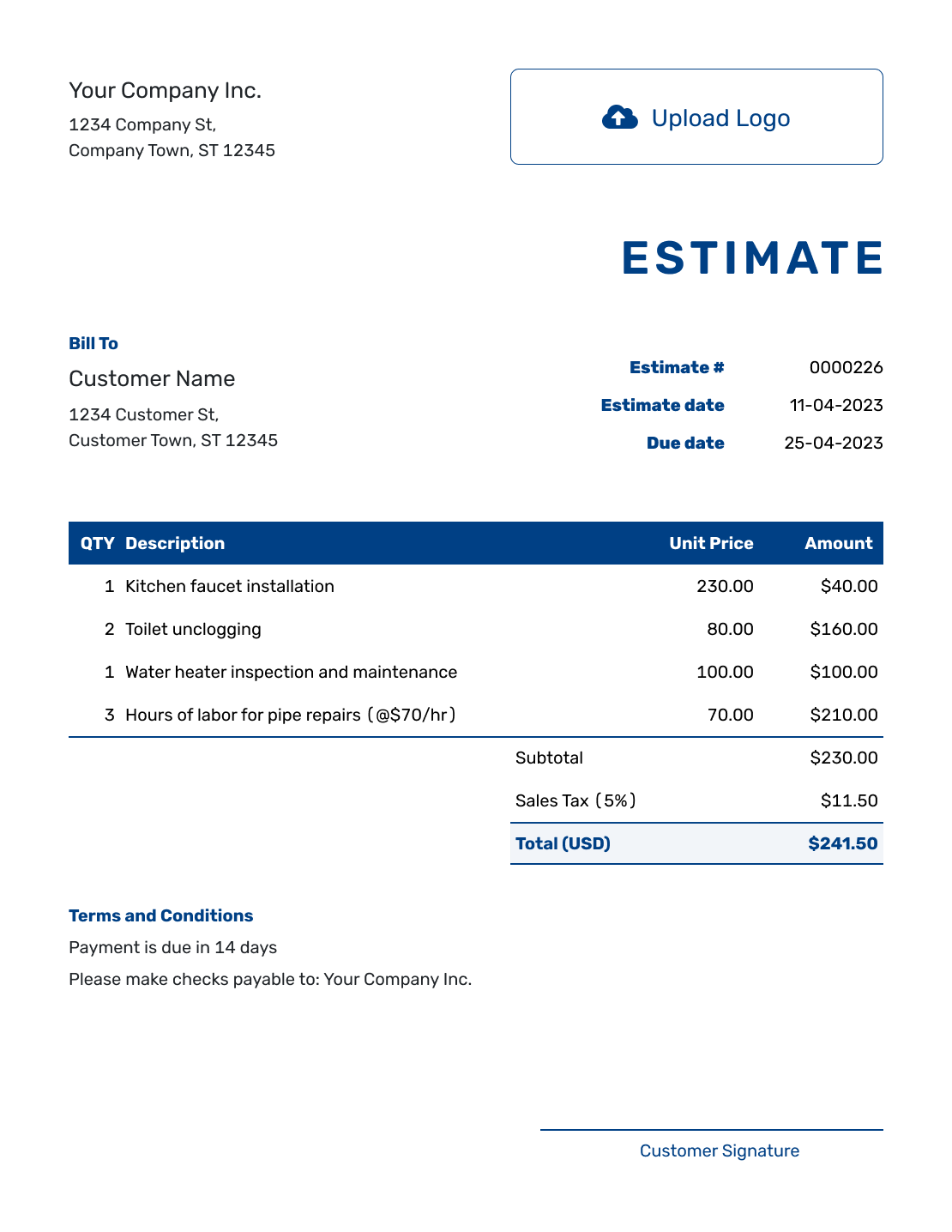
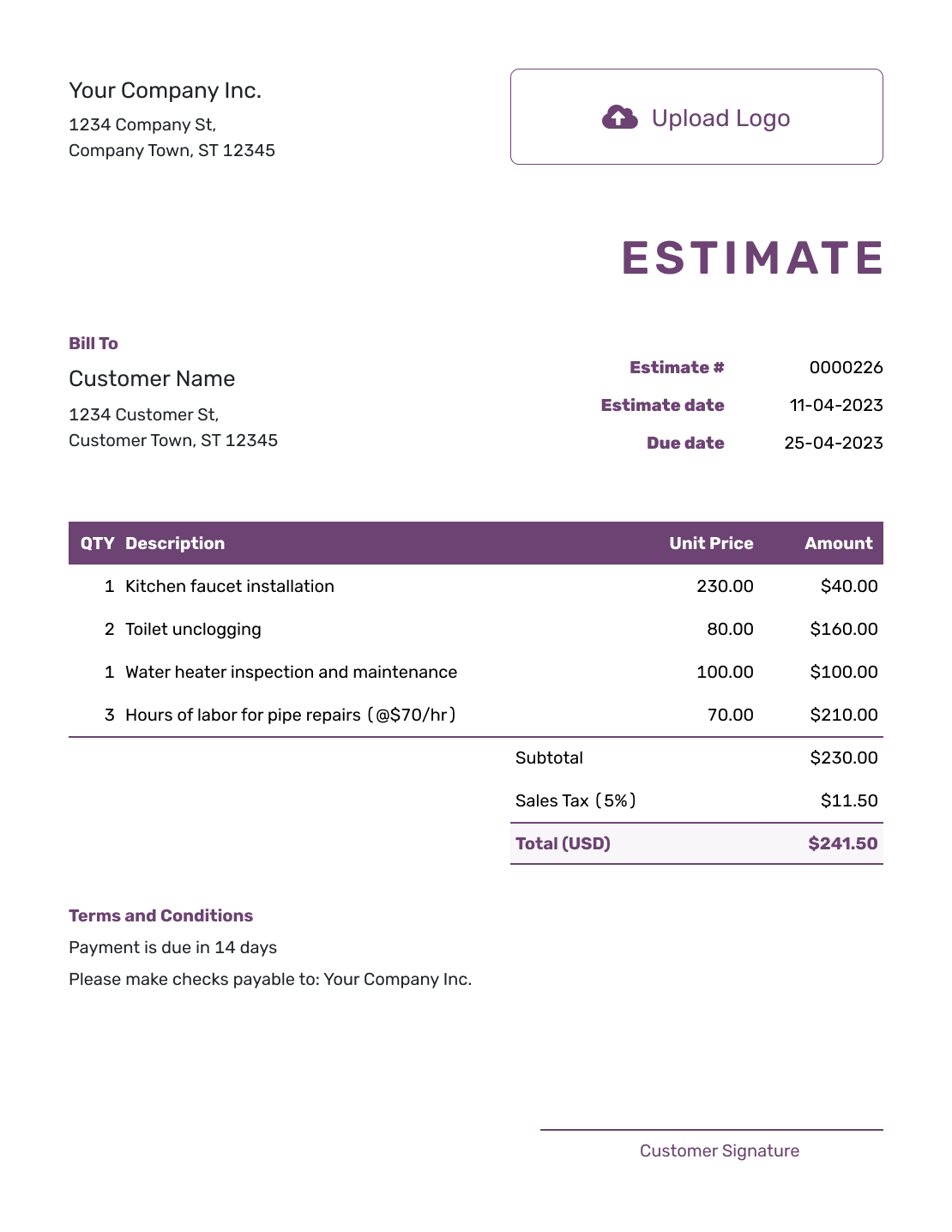
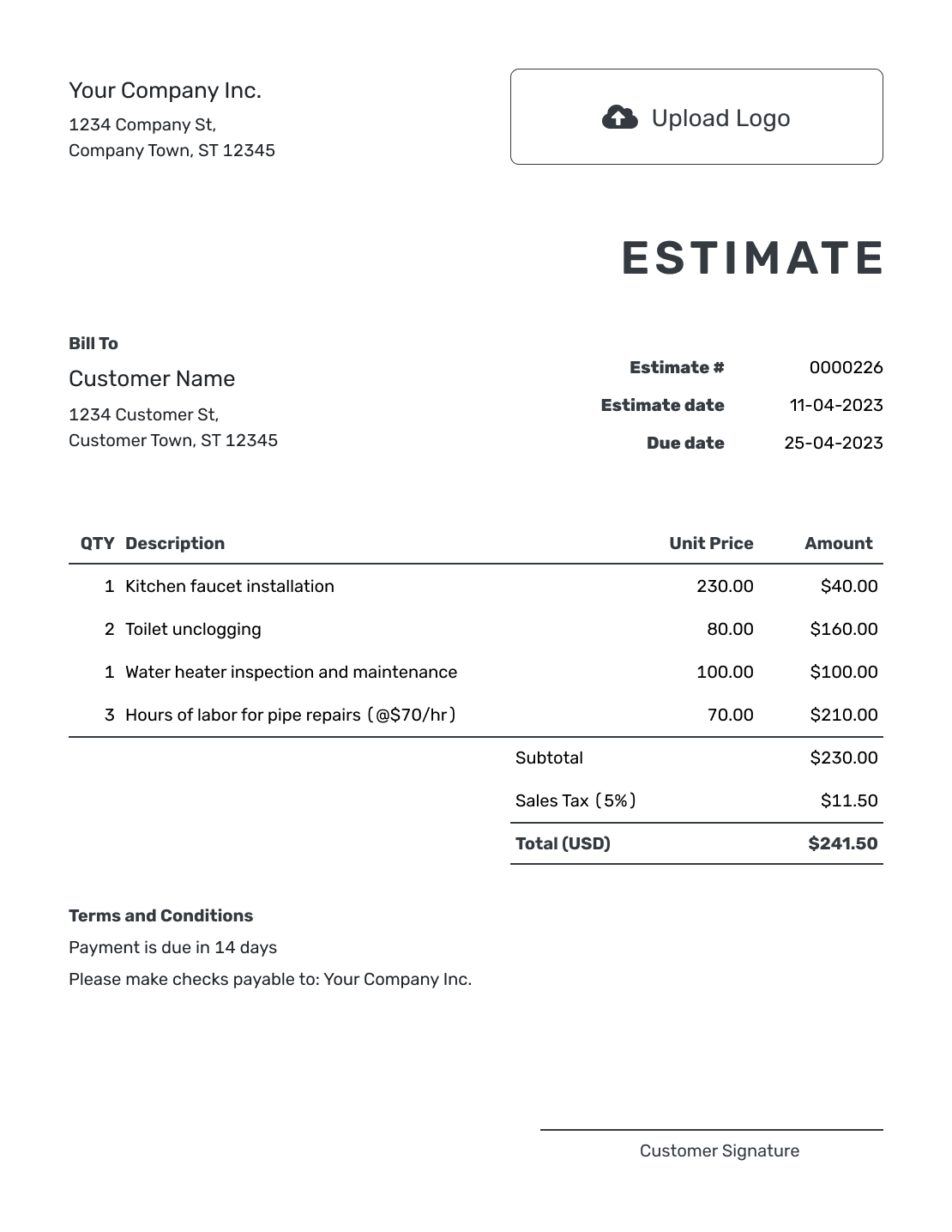
What Is an Estimate Format?
An estimate format is the order and layout used to present expected work and a likely price. It helps the customer move from who the estimate is for, to what the job includes, to how the likely total is built.
Start with the business and customer, then explain the work before the price. Keep assumptions and terms close to the details they explain so the customer can review the estimate without searching for an important condition.
How to Set Up a Clear Estimate Format
Use this order as a guide when you fill in the estimate. A clear description of the work gives the price table context.
- Business Header: Add your business name and contact details at the top.
- Your Logo: Add your business logo without crowding the contact details.
- Customer and Job: Show who the estimate is for and the job or service address when needed.
- Number and Dates: Add the estimate number and issue date. Set a valid-until date when needed.
- Scope and Line Items: Describe the expected work with quantities and unit prices so the customer can follow the pricing.
- Estimated Total: Check the subtotal, any discounts and taxes, and the likely total. Docelf calculates the amounts.
- Terms and Sending: Use Terms and Conditions for assumptions, exclusions, and next steps. Review, then email, print, or download the estimate.
Estimate Format Example From First Line to Last
This reading order keeps the work and likely price connected. Use more or less detail as the job requires, but keep the main decision easy to follow.
| Estimate section | What to show | What it helps the customer understand |
|---|---|---|
| Header | Business name, contact details, and logo | Who is pricing the job |
| Customer and job | Customer, address, service location, estimate number, and dates | Which job and document they are reviewing |
| Scope | Expected work, products, services, phases, or deliverables | What the likely price covers |
| Line items | Quantities, descriptions, unit prices, and estimated amounts | How the likely total is built |
| Total | Subtotal, applicable discounts and taxes, and estimated total | The price to review |
| Assumptions and terms | Terms and Conditions: assumptions, exclusions, timing, validity, and other conditions | What could affect the work or price |
| Response | Contact details, questions, acceptance, or next step | What to do after reading the estimate |
Put the Scope and Assumptions in the Right Place
The scope tells the customer what you expect to do. Terms and Conditions explain what the price depends on and how to respond.
For a small shelving job, the scope might read: “Supply and install three wall shelves in the customer’s office.” The sample below adds the conditions that affect that work. Adapt it to the job and include only terms your business actually uses.
Example: Terms and Conditions
- Price assumes three standard shelves and sound walls suitable for the selected fixings.
- Moving electrical outlets and repairing concealed wall damage are outside this estimate.
- Estimate valid for 14 days from the issue date. Installation timing will be agreed after approval.
- Any change to the scope or expected price will be discussed and approved before the extra work begins.
Keep the Likely Total Easy to Explain
Read the finished estimate as if you had not priced the job. Can you tell what each amount covers, and which assumptions could change it?
- Use the same column labels and number format from top to bottom
- Keep long scope notes out of narrow price cells
- Show discounts and taxes separately when they apply
- Remove empty sections and placeholder text before sending
Put the Job Into a Format Customers Can Follow
Add the customer, scope, and line items in a clear order. Docelf calculates the totals. Review the terms, then email the estimate or download a PDF.
More Estimate Format Layouts
Compare these remaining layouts before choosing how to present your own work and prices. Each preview opens the same estimate editor.
-
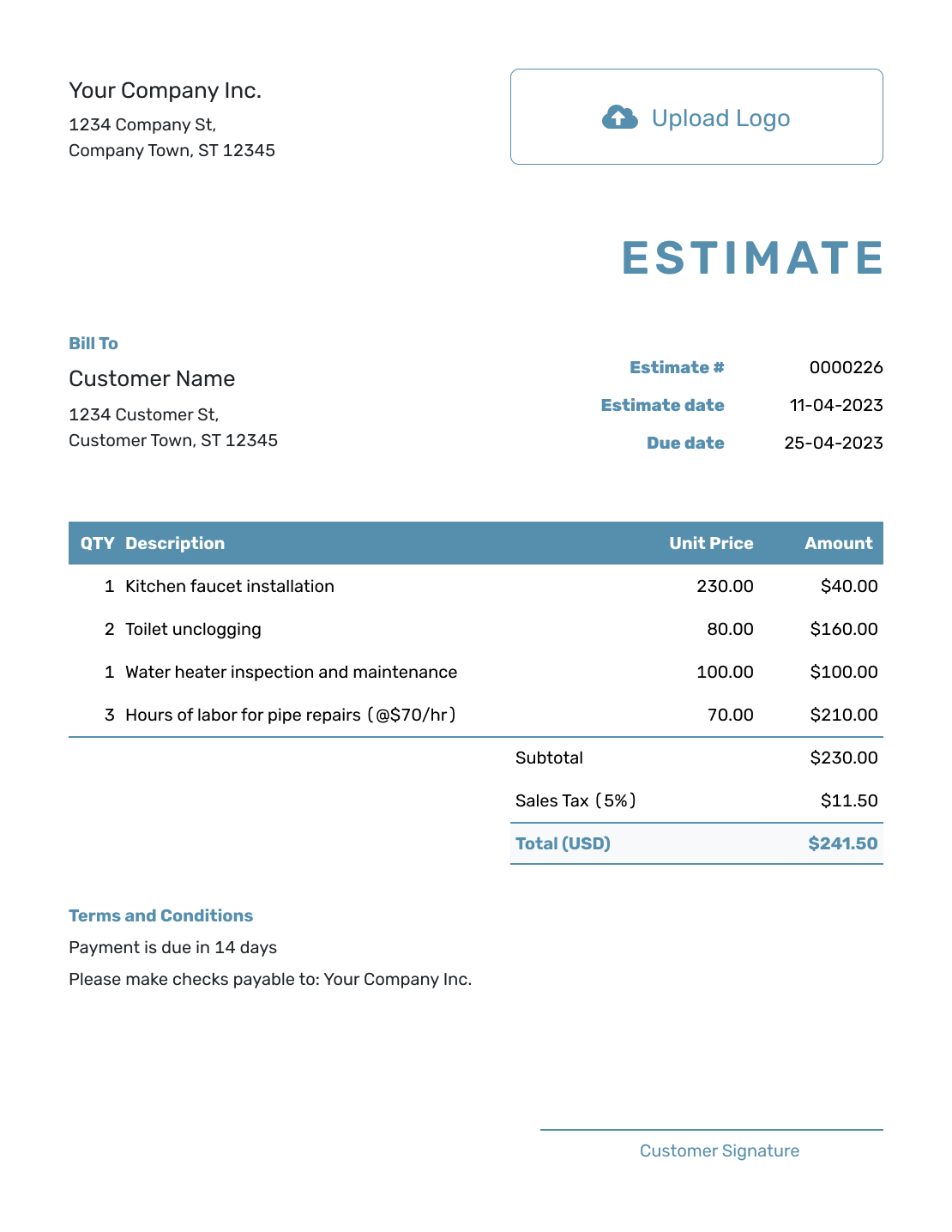
Blank Estimate Format Template
Create Free Estimate -
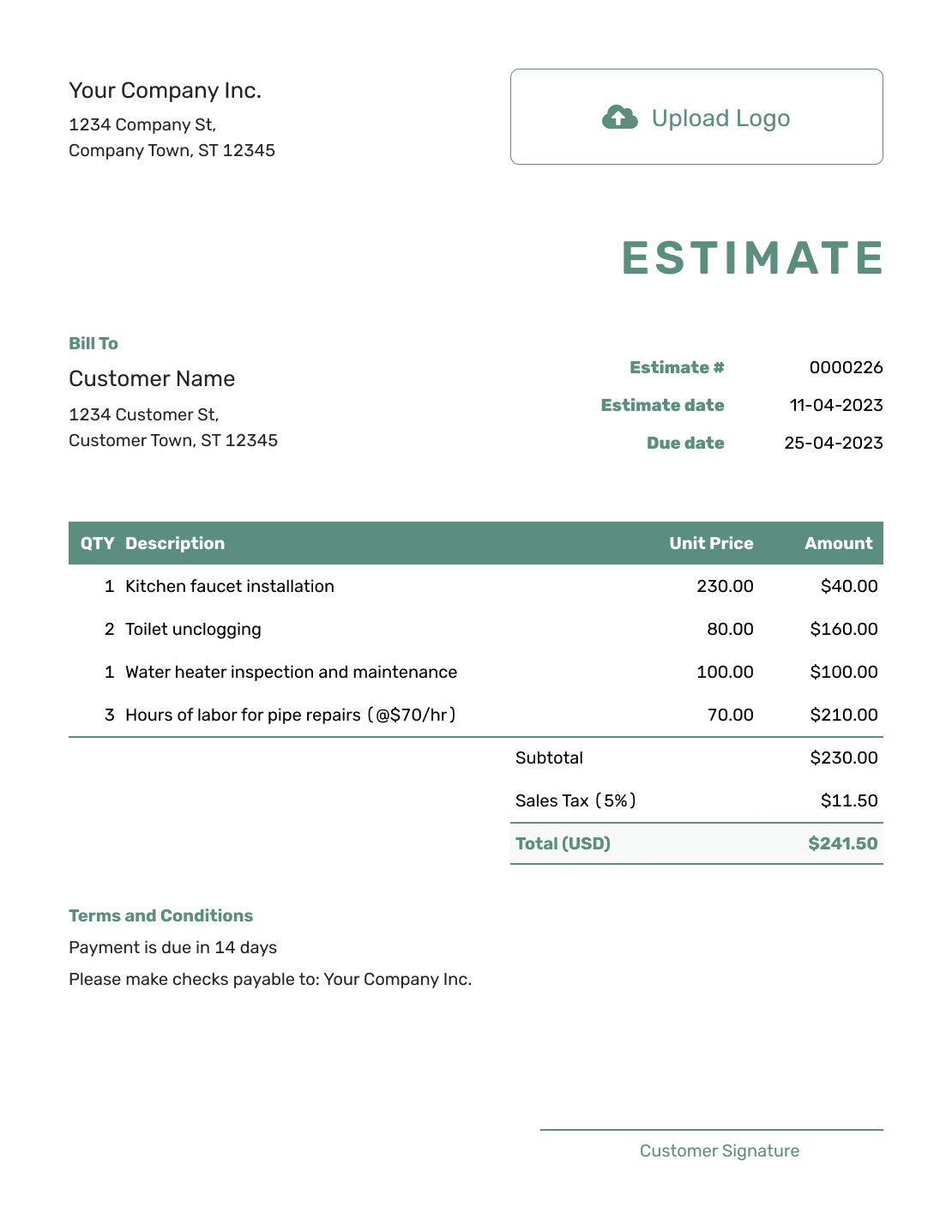
Simple Estimate Format Template
Create Free Estimate -
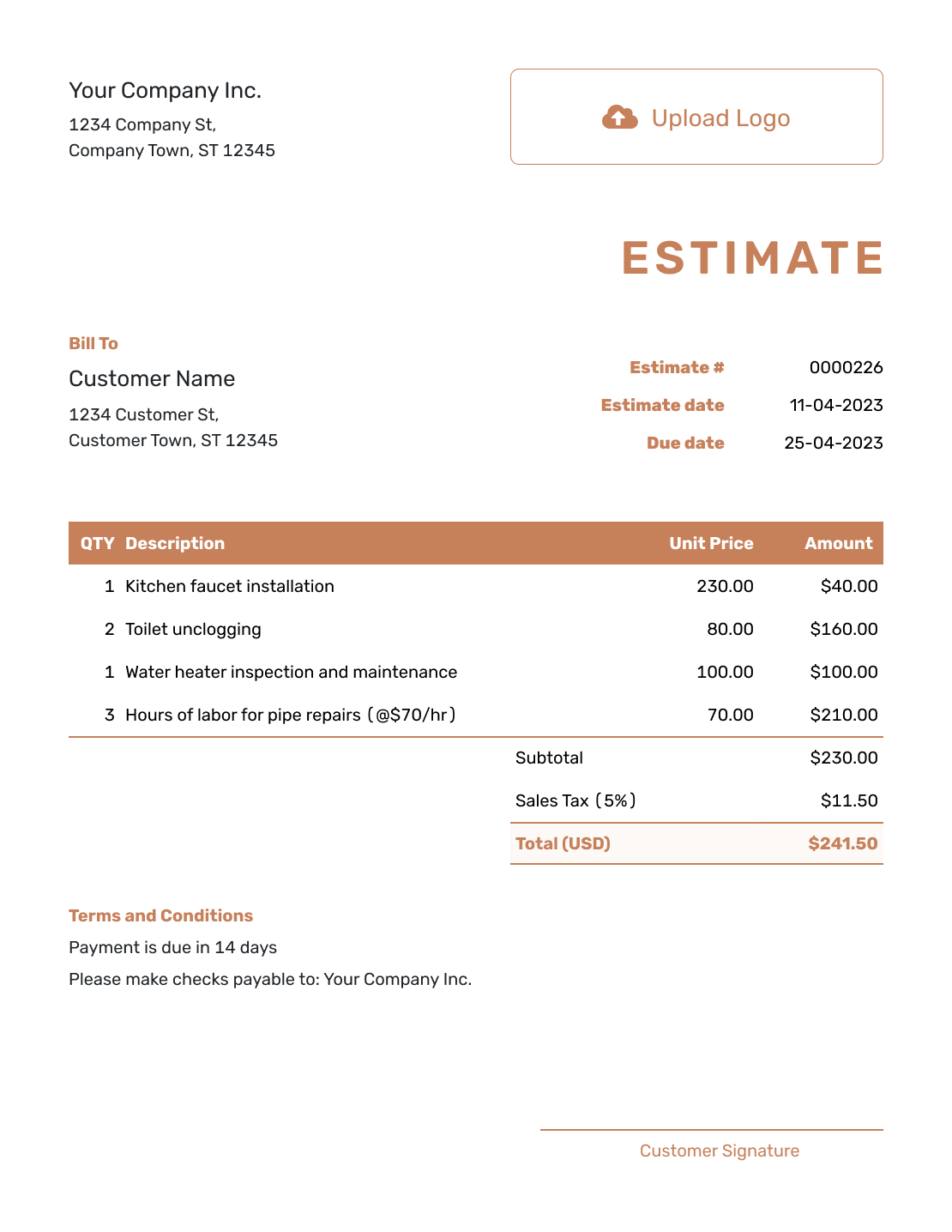
Downloadable Estimate Format Template
Create Free Estimate -
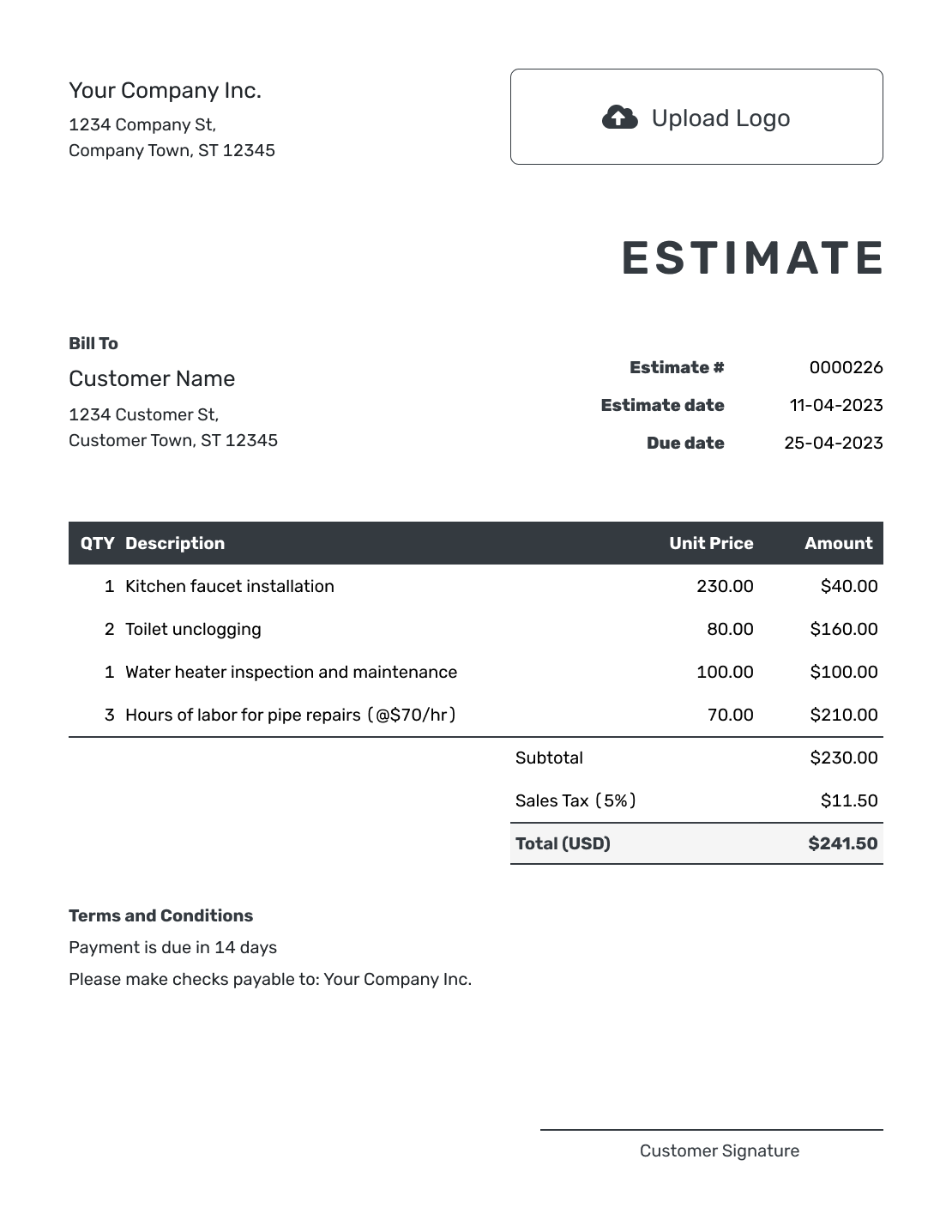
Editable Estimate Format Template
Create Free Estimate -
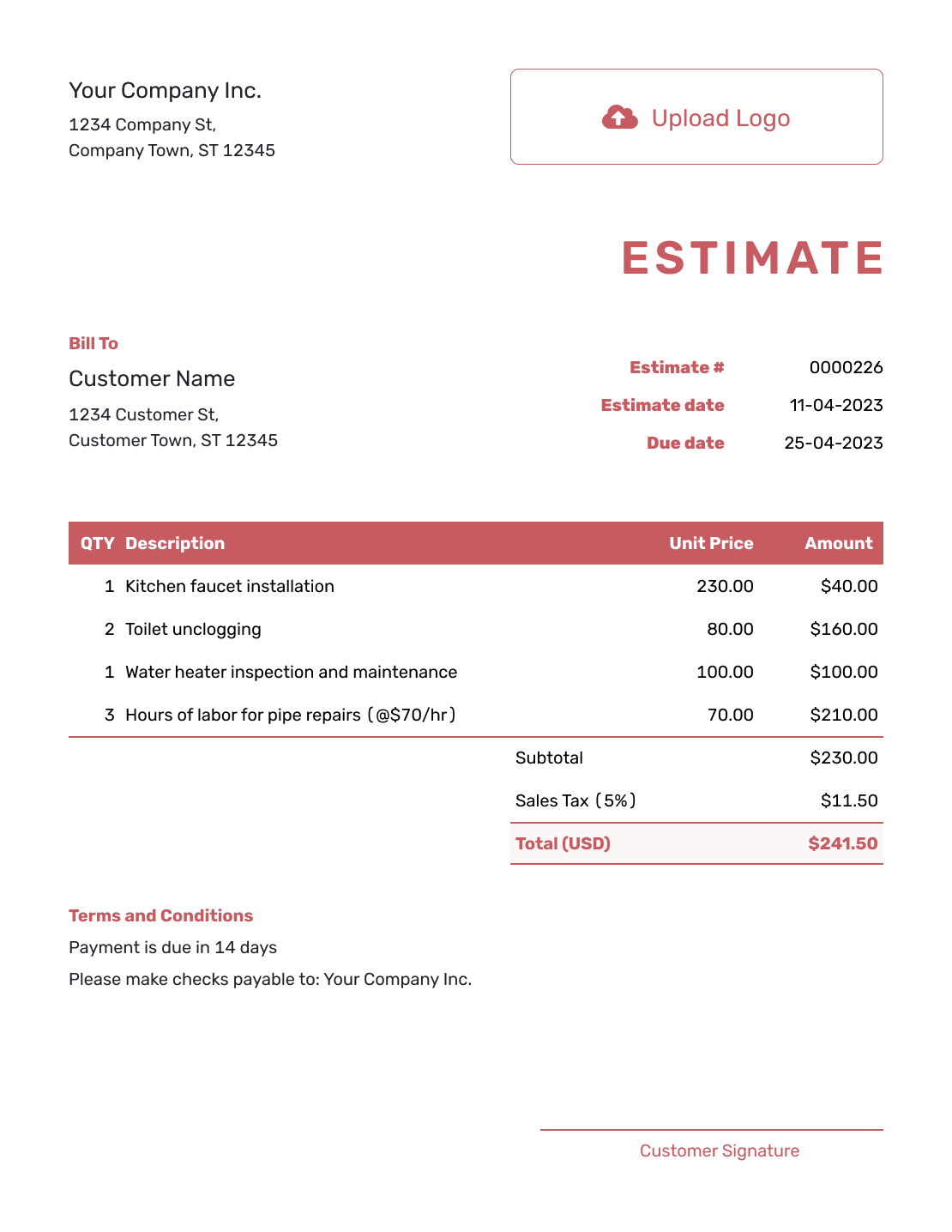
Fillable Estimate Format Template
Create Free Estimate -
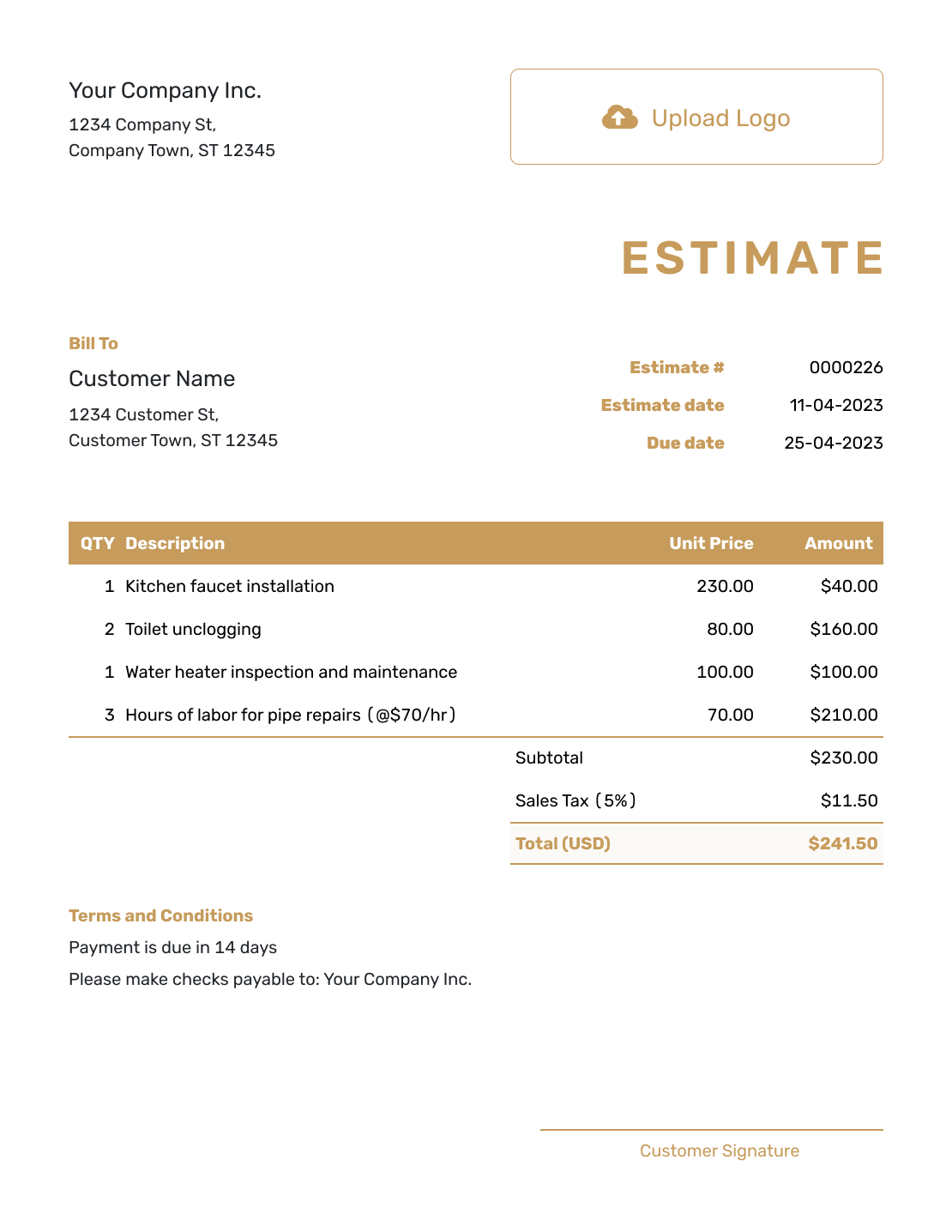
Professional Estimate Format Template
Create Free Estimate
Choose the Format That Fits the Work
Use a document format when wording and page layout matter most. Use a spreadsheet when formulas are the main concern, or a completed example when you want to see the whole estimate before you write.
After You Send the Estimate
You can see when the emailed estimate is delivered and opened, and whether the customer accepts or declines it. If the scope or expected price changes, revise the estimate and send the updated details for review.
When it is time to bill, create an invoice from the estimate and check the final work and price before sending it.
Estimate Format Template FAQs
-
What is an estimate format template?
An estimate format template gives the document a clear order. It shows where to place the business and customer details, scope, line items, likely total, assumptions, terms, and response information.
-
What is the best order for an estimate?
Start with the business and customer, then identify the job and dates. Put the scope before the price details, followed by the likely total, assumptions, terms, and a clear next step.
-
Where should assumptions go on an estimate?
Keep the main assumptions close to the scope or likely total they explain. The customer should not have to search another page to understand what the price is based on.
-
Should every estimate be itemized?
Use enough line-item detail for the customer to understand how the likely price is built. A short job may need only a few lines, while a larger project may need phases, allowances, or grouped work.
-
How much detail should the scope include?
Describe the work clearly enough that the customer knows what is included. Add the decisions, measurements, materials, timing, or exclusions that materially affect the likely price.
-
Can I add my logo and colors to the estimate?
Yes. Docelf supports a business logo, custom colors and fonts, and light or dark document designs. Keep the branding clear without pushing the scope or total out of view.
-
Can I email, print, or download the estimate?
Yes. You can preview, print, email, or download the estimate as a PDF in Docelf. You can also see when an emailed estimate is delivered and opened.
-
Can an accepted estimate become an invoice?
Yes. When it is time to bill, create an invoice from the estimate. Docelf copies the relevant customer, item, price, and document details into the new invoice.
Ready to Use a Clear Estimate Format?
Create the estimate in Docelf and keep the scope, likely price, assumptions, and next step easy to review.
- Arrange the job details in a clear order
- Let Docelf calculate the totals
- Email, print, or download the PDF