Free Automotive Estimate Templates
Choose the estimate that fits the vehicle work
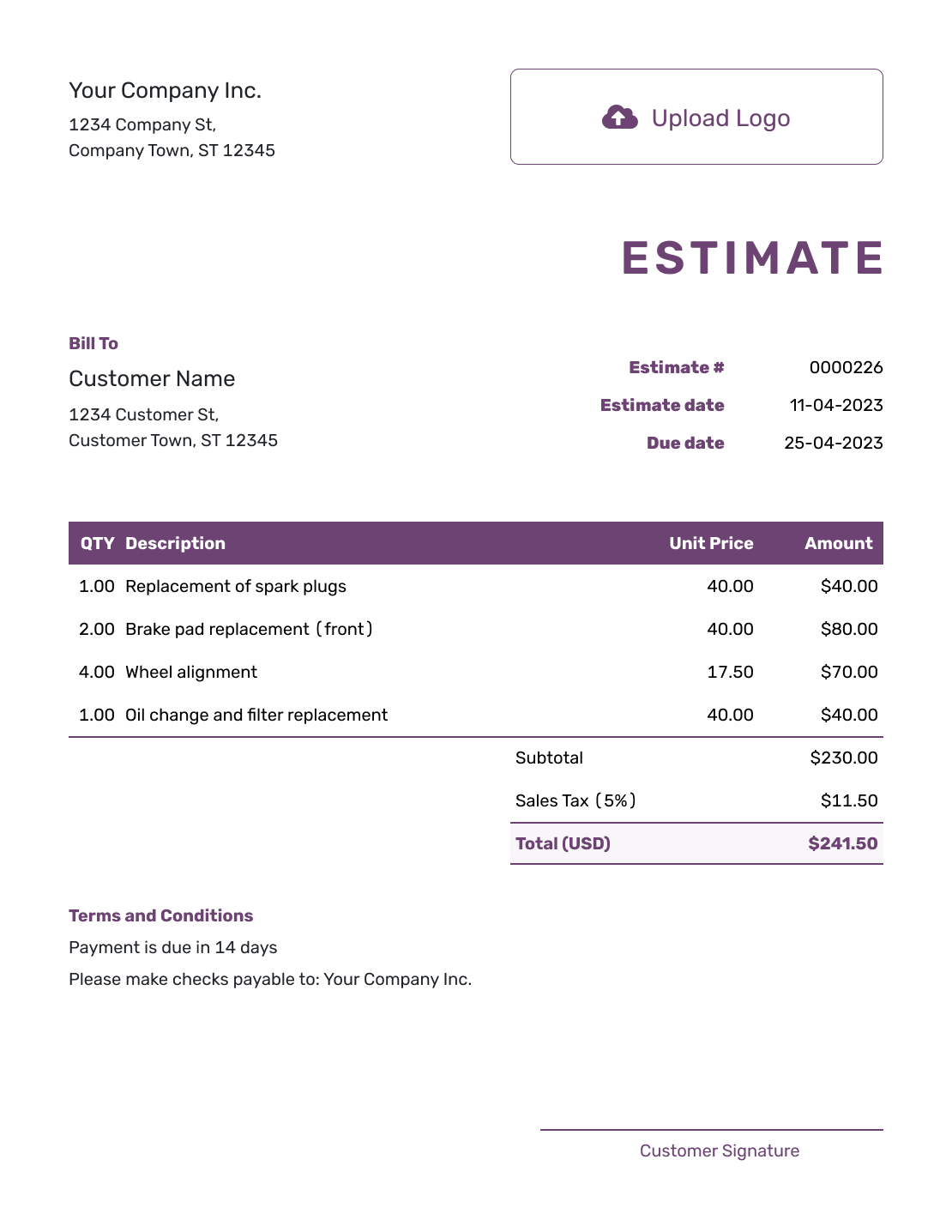
Choose a template for repairs, body work or restoration. Drivers see the parts, labor and likely cost up front, which helps them choose your shop.
Create the estimate in Docelf, then email it, print it or download a PDF.
14-day free trial. No credit card required.
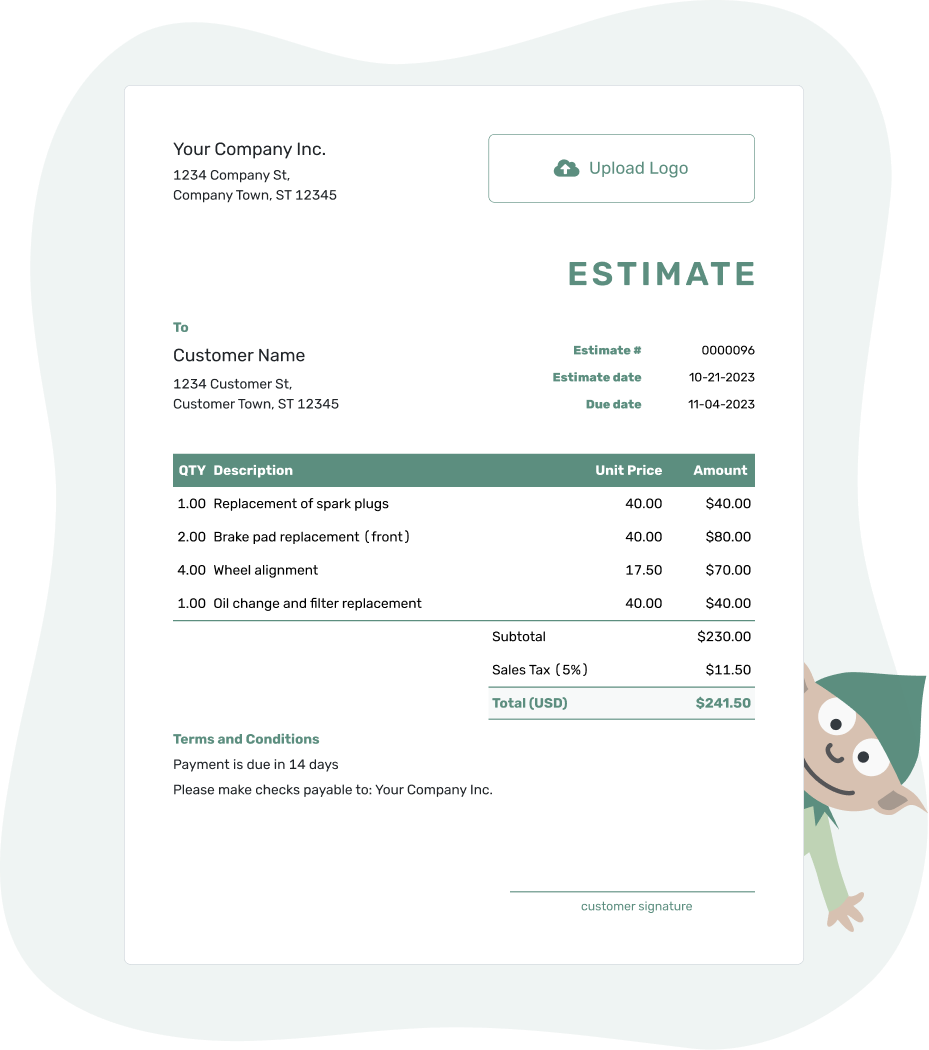
Price the job. Send the estimate. Get back to work.
Choose an Automotive Estimate Template
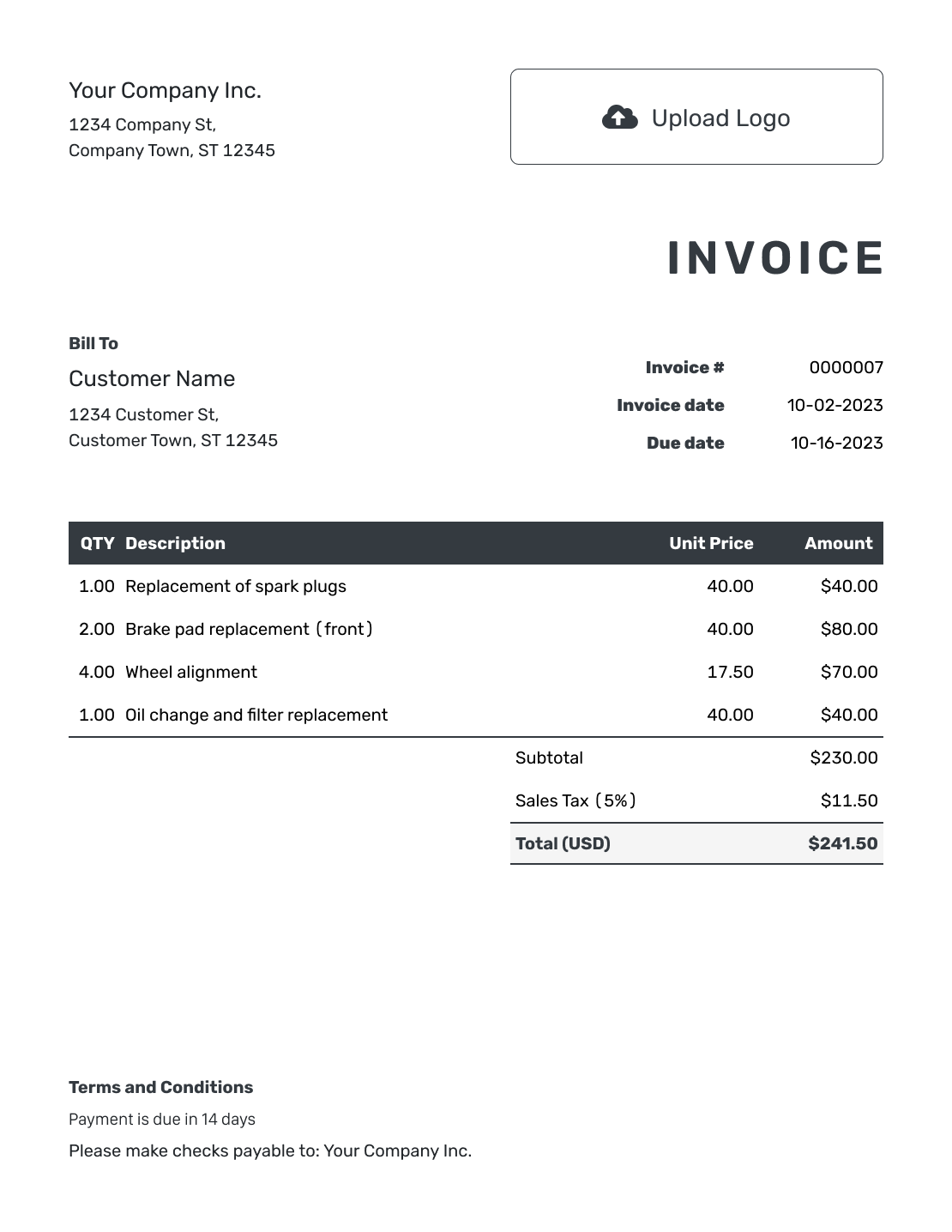
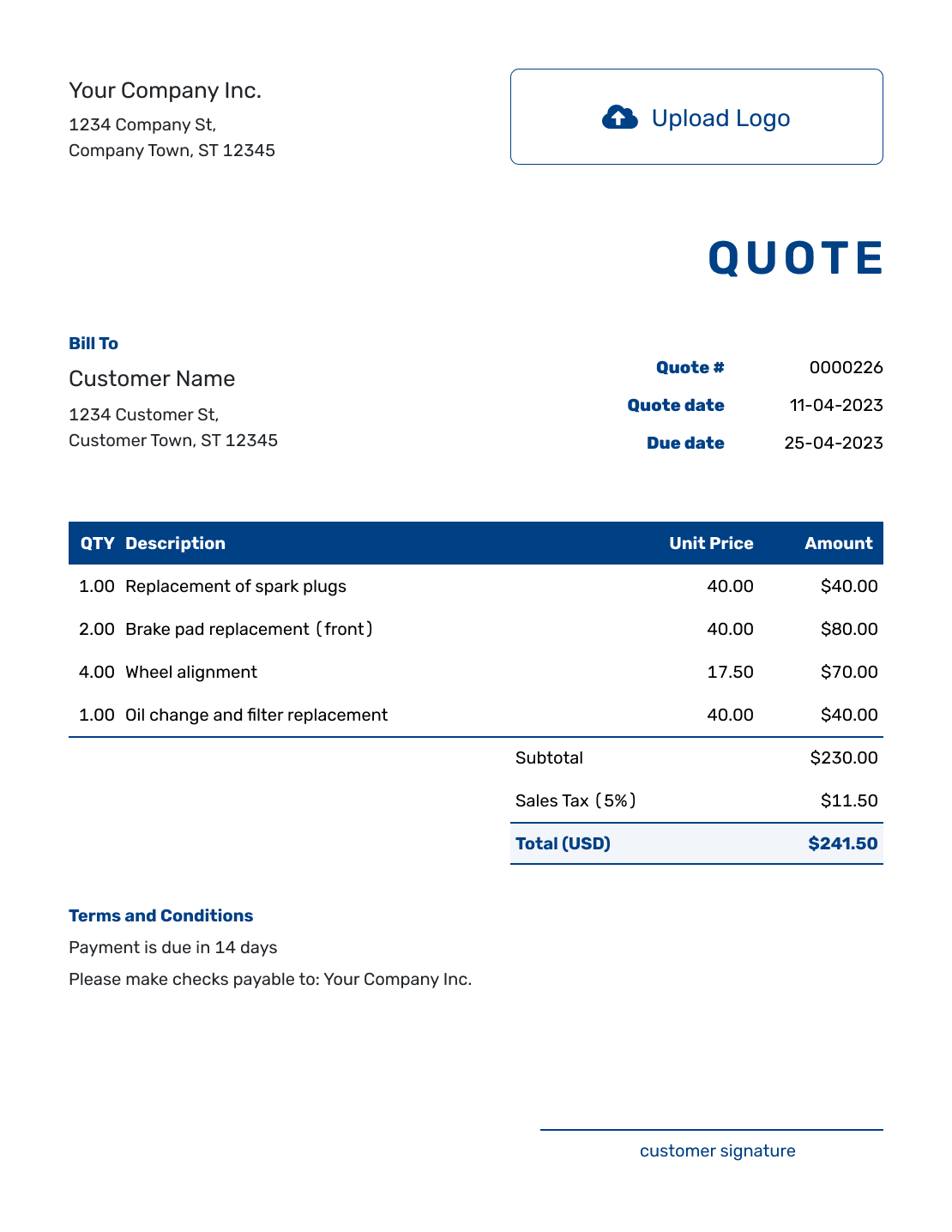
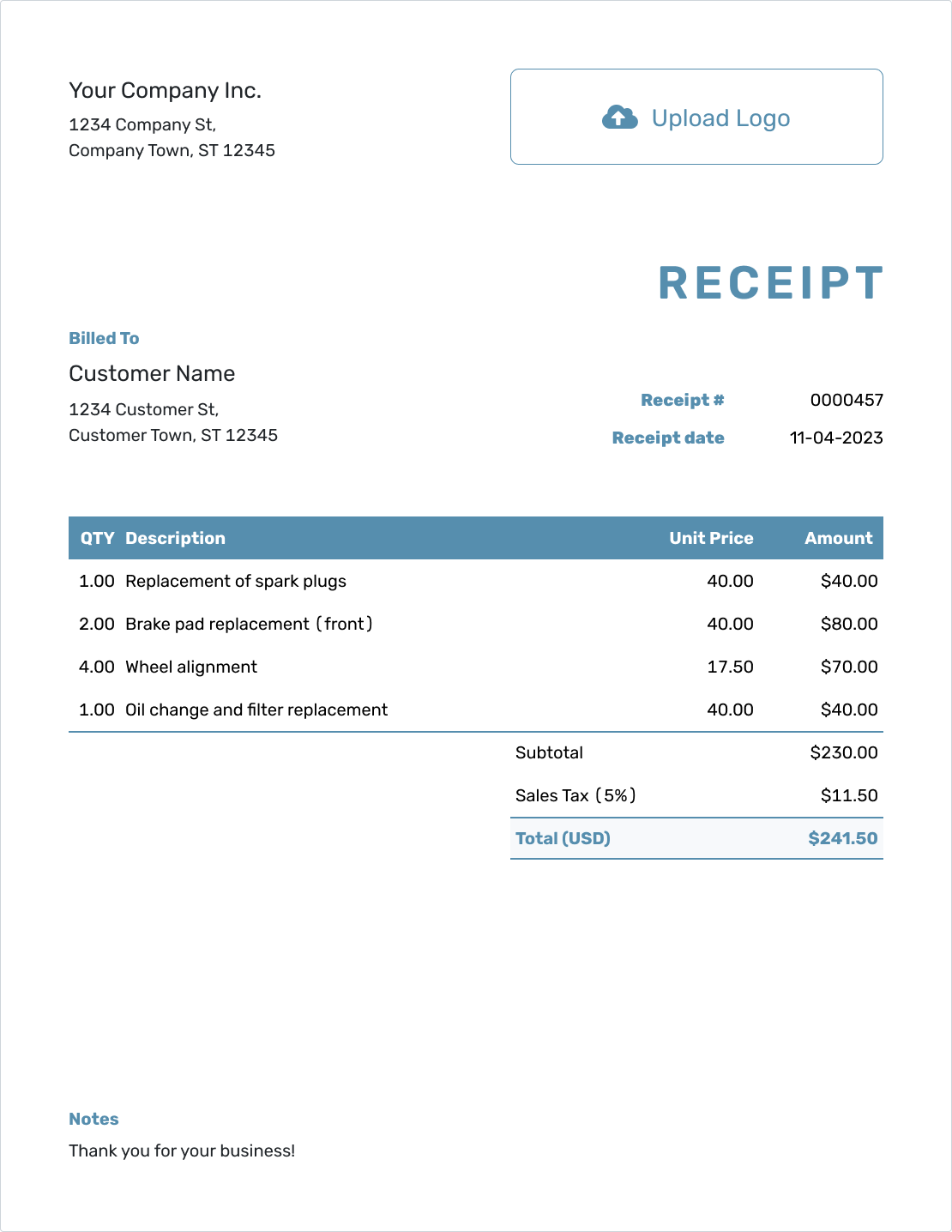
Auto Repair, Car Repair and Mechanic cover everyday repairs and servicing. Choose Body Shop or Collision Repair for damage repairs, or Car Restoration for a build priced in stages. Use the guide closest to the work you expect to do.
How to Create an Automotive Estimate
Build the estimate from the vehicle and current findings. Separate known repairs from diagnostic work, optional repairs or hidden damage so the customer can see what the likely price covers.
- Your Shop: Add your shop name and the contact details the customer should use.
- Your Logo: Add your shop logo, or leave it out.
- The Customer: Enter the customer’s name and contact details.
- Number and Dates: Check the estimate number and issue date. Set a response deadline if needed.
- Repairs and Prices: List the expected repairs, parts and supplies. Enter quantities and unit prices, including labor hours and rates.
- The Estimated Total: Check the line amounts, tax and any discount. Docelf calculates the totals.
- Terms and Review: Use Terms and Conditions for assumptions and timing. Check the vehicle and repair details, then send the estimate.
How to Fill In Automotive Estimate Line Items
Separate parts and labor when you price them separately. Put the labor unit in the description so the customer can see that 2.5 means hours. If you offer a fixed-price service, describe what the package includes without charging for those items again.
This fictional front-brake job uses US dollars. The four charges total $625.00 before an illustrative 8% tax on all items. Use the tax rate and taxable items that apply to your own work.
| QTY | Description | Unit Price | Amount |
|---|---|---|---|
| 1 | Front brake pad set | $125.00 | $125.00 |
| 2 | Front brake rotors | $95.00 | $190.00 |
| 2.5 | Brake service labor (hours) | $110.00 | $275.00 |
| 1 | Shop supplies | $35.00 | $35.00 |
| Subtotal | $625.00 | |
| Sales Tax (8% illustrative) | $50.00 | |
| Estimated Total | $675.00 |
What to Include in Automotive Estimate Terms
Use Terms and Conditions to explain what the current inspection covers and how you will handle a change in the repair plan. Include your response deadline and expected timing when they help the customer decide.
Adapt this sample to the brake job above and to policies your shop actually uses. Check local requirements before adding repair-authorization conditions, fees or warranty limits.
Example: Terms and Conditions
- Estimate covers the front brake pads, rotors, labor and supplies listed above, based on the current inspection.
- Any additional repairs will be estimated separately for customer approval before that extra work begins.
- Estimate valid for 30 days. We will confirm the repair date after approval and a check of parts availability.
Build the Vehicle Estimate in Docelf
Put the repair plan into an estimate your customer can review. Docelf calculates the line amounts and total as you add the work. Check it, then send the estimate when you are ready.
Make the Repair and Likely Cost Easy to Review
The inspection explains why the repair is needed. These details help the customer connect your findings to the work you have priced.
Identify the vehicle
Include the year, make, model, mileage, VIN or license information needed to match the estimate with the right vehicle and repair record.
Separate the repair work
Describe each repair in words the customer uses. “Replace front brake pads and rotors” is easier to follow than a shop code on its own.
Explain the inspection findings
Connect the recommended work to the customer’s complaint or what you found during inspection. Identify any separately charged diagnostic work so its purpose and price are clear.
Label what is not known yet
Explain which costs depend on more diagnosis or teardown. If an optional repair is outside this total, say so and give its expected price separately.
After You Send the Estimate
Your customer can accept or decline the estimate online. Check the document history for delivery and opening information; Docelf emails you when they respond.
If further diagnosis changes the repair plan, explain the new findings and send an updated estimate. Agree on the added work before starting it.
More Estimate Templates by Industry
Use the industry hub when the work belongs in another category. Construction and property templates help with site or facility work, while the format hub helps you choose how to build and share the estimate.
Automotive Estimate Template FAQs
Find answers to common questions about describing repairs, pricing parts and labor, and updating the estimate.
-
What is an automotive estimate template?
An automotive estimate template helps a shop explain the work it expects to do and the likely price. It connects the repair plan and parts and labor charges to the right vehicle.
-
What vehicle details should I include?
Include the year, make, model, mileage and VIN when available. Add the customer complaint, inspection findings or diagnostic notes that explain why the repair work appears on the estimate.
-
How should I handle hidden damage or further diagnosis?
State which findings the estimate is based on and which areas need more diagnosis or teardown. If new findings change the repair scope or price, explain the change and get agreement on the updated work before starting it.
-
Should parts and labor be separate on an automotive estimate?
Yes, when parts and labor are priced separately. List each part with its quantity and price, and label labor hours with the hourly rate. For a fixed-price service, explain what is included so the same parts or labor are not charged twice.
-
Is an automotive estimate the final repair price?
An estimate shows a likely price based on the findings and information available when it is created. The final amount may change if diagnosis, parts availability or hidden damage changes the repair scope.
-
Can I create an invoice from an accepted automotive estimate?
Yes. You can create an invoice from the estimate in Docelf and reuse the relevant customer, item and price details. Review the invoice so it reflects the work actually being billed.
Ready to Price the Vehicle Work?
Give your customer a repair plan they can make a decision on.
- Clear vehicle, repair, parts and labor details
- Automatic line amounts, taxes and totals
- Email the estimate or download a PDF