Free Business Invoice Templates
Choose an invoice for the sale, job or charge
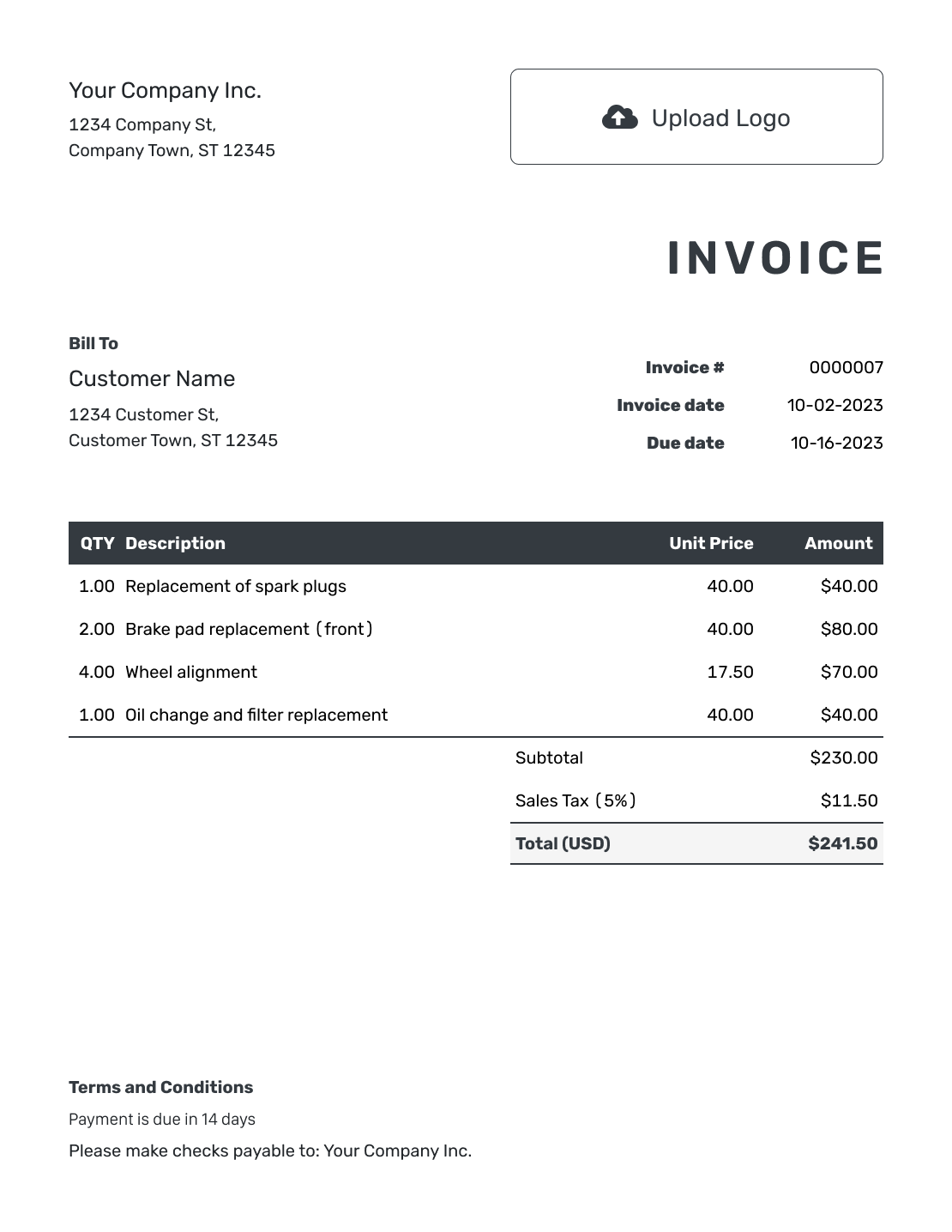
Choose the business invoice that fits a sale, completed job or charge under a contract. Give your customer a clear amount and payment instructions so they can pay you.
Email, print or download your invoice as a PDF.
14-day free trial. No credit card required.
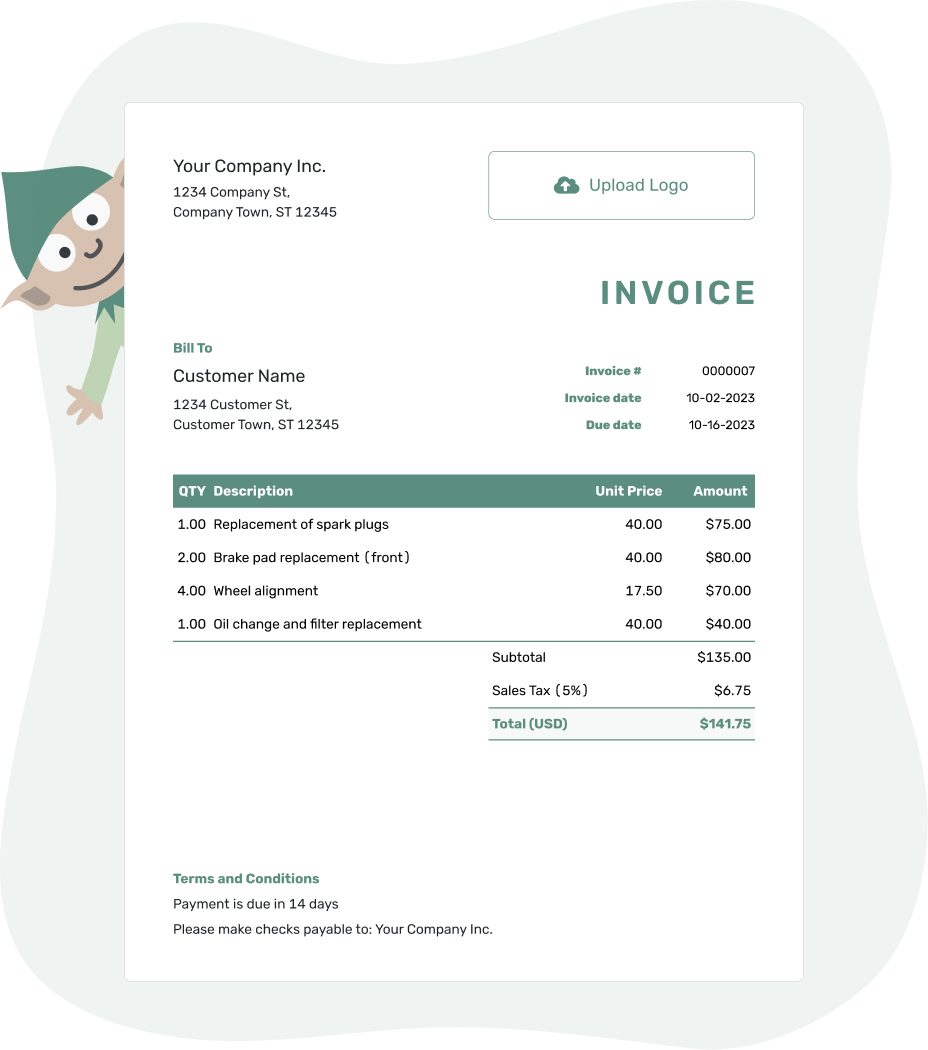
Create the invoice. Send it. Get back to work.
Find a Template for the Sale or Job
Use the sale, job or agreement to choose a template below. Include the order number or job reference your customer already knows.
Sales, Orders & Everyday Billing
Choose a sales template for a sale or an ecommerce template for an online order. The small business template covers general billing. Include the order reference so the customer can recognize the purchase.
From an Offer to a Completed Job
These pages help you bill for work that began with an offer or agreement. A bid or proposal describes the offer. The invoice asks for payment under the terms you agreed.
Labor & Working Relationships
Use the labor template for time charged to a job and the vendor template for products or services supplied to another business. The employee invoice page covers contract work or approved expenses when the business asks for an invoice. It does not replace a payroll record.
Make the Business Reference Easy to Recognize
An order number or job name helps the customer recognize the bill without searching through messages. Use the reference that fits this charge.
Sale or Order
Use the order number and describe what you supplied. Give a separately charged delivery service its own item row, so it is included in the subtotal.
Contract or Job
Name the job and the agreement it follows. Explain which work this invoice covers rather than repeating the entire contract.
Labor
Name the task and work period. Show the hours and agreed rate, or use the fixed fee. Do not add hours already covered by that fee.
Vendor Work
Use the billing details of the business that owes you. Include its purchase order reference when it helps match your invoice to the order.
What the Customer Needs to Pay the Bill
A business invoice requests payment. Give the customer a clear charge, a due date and instructions they can use.
- Your business name and the customer's billing details.
- The invoice number, invoice date and agreed due date.
- The order, job or contract reference and a description of what you provided.
- Quantities or hours, agreed prices and any applicable tax or discount.
- The total due, payment instructions and terms that apply to this transaction.
Attach a supporting order or work summary when it answers a likely billing question. Keep the invoice readable on its own.
Have the Sale or Job Details Ready?
Add the agreed charge and the customer’s reference. Docelf calculates the total. Check the invoice, then send it to request payment.
Use the Offer You Already Prepared
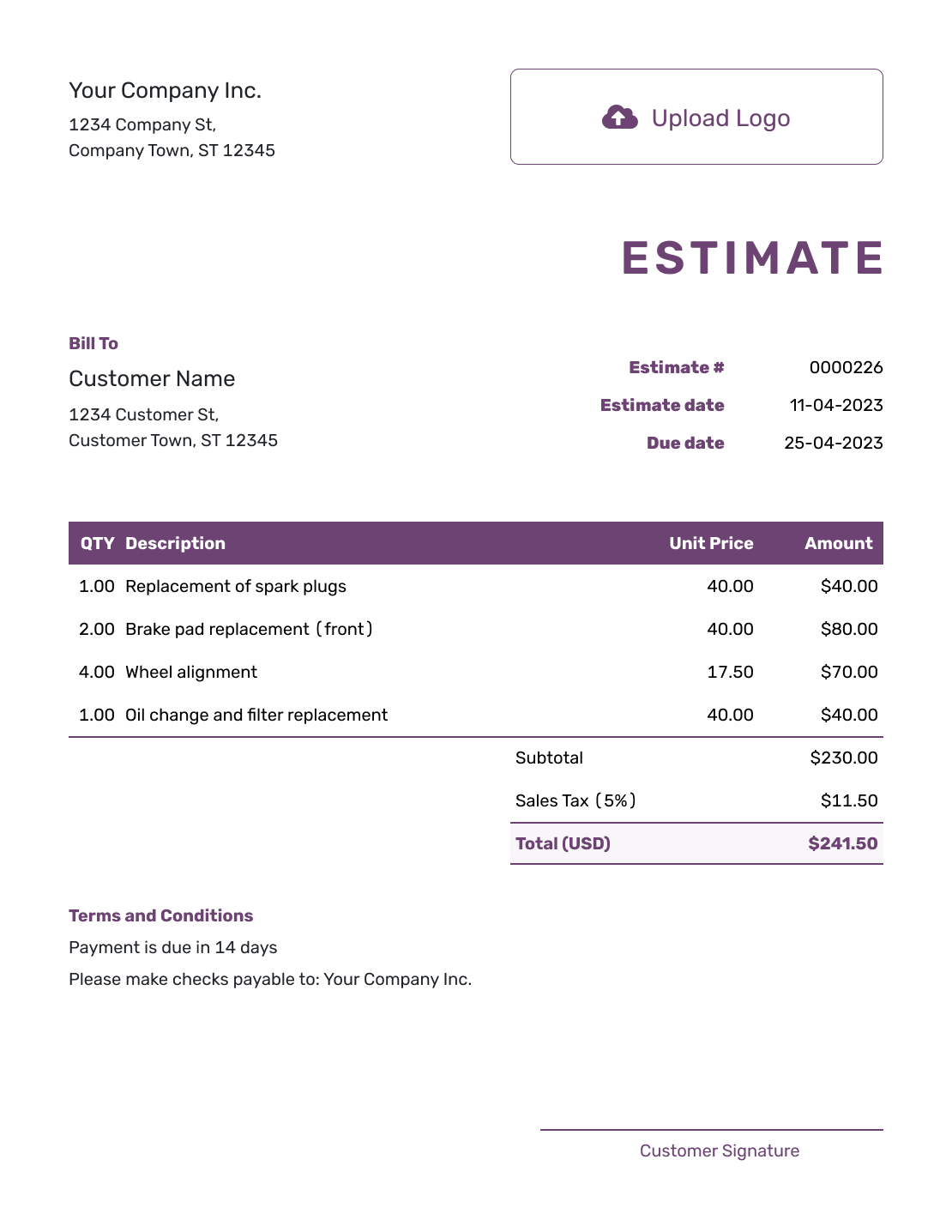
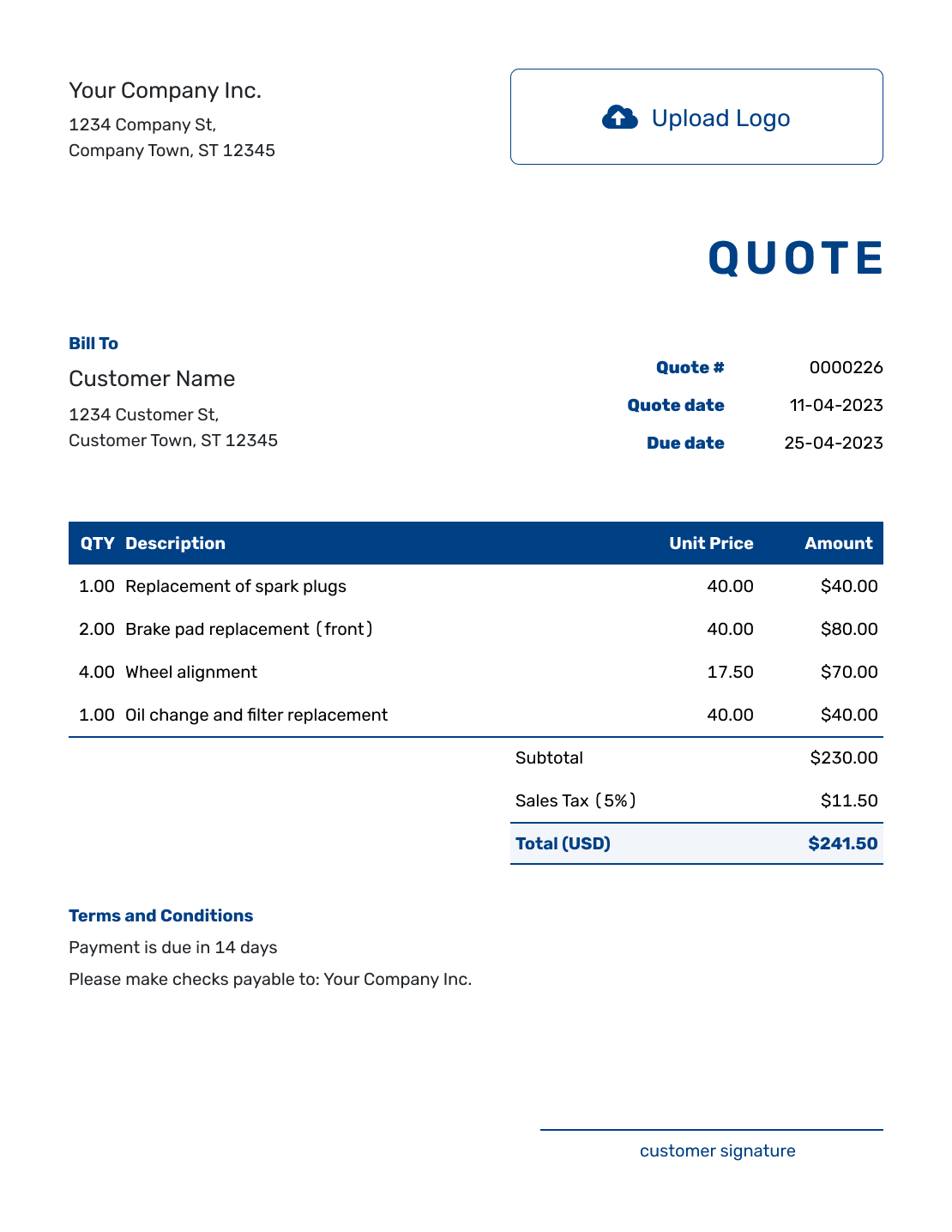
When the work began with an estimate or quote, create the invoice from it in Docelf. Docelf copies the customer and item details. Check the charges and dates before sending.
Buying from a vendor instead? A purchase order records what you order. Your invoice asks a customer to pay you; these are different sides of the purchase.
Follow the Business Invoice Through to Payment
Email the invoice from Docelf. Its history shows whether it arrived and the customer opened it. Check the due date before following up.
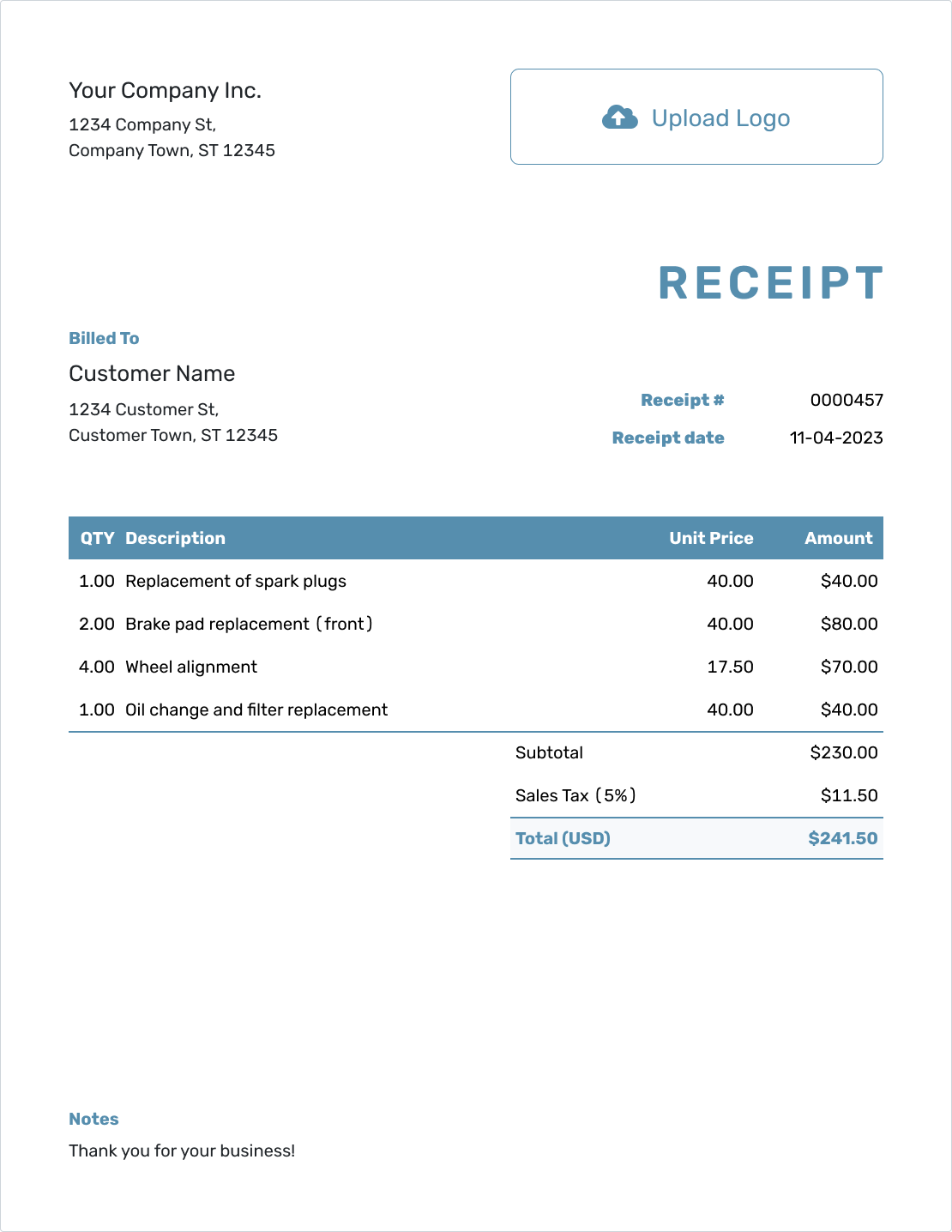
Record each payment against the invoice. Then create a receipt from the invoice to confirm the amount received.
Find a More Specific Starting Point
Use an industry page for details specific to your work, such as a vehicle or service address. Choose an invoice type for a deposit or billing period. A format page helps you choose where to edit the invoice.
Business Invoice FAQs
-
What is a business invoice template?
A business invoice template helps you request payment for a sale, order or job. Choose one that helps you describe the charge, not just one that looks right. Add the reference the customer needs to recognize the bill.
-
Which business invoice template should I use?
Choose a sales or ecommerce template for an order. Use a job or labor template for completed work, or a contract template for charges under an agreement. The bid and proposal pages explain how earlier offers relate to billing. Start with the small business template for general billing.
-
What should I include in a business invoice?
Identify your business, the customer and the related order or job. List the charges and show the total due. Add an invoice number, invoice date, payment due date and clear payment instructions.
-
What is the difference between a business invoice and an industry invoice?
A business page starts with the transaction, such as an order or contract. An industry page starts with the work, such as plumbing or photography. Choose the page that helps you describe the charge most clearly.
-
What is the difference between a business invoice and an invoice type?
The business collection helps you choose by sale, job or agreement. The invoice-type collection helps you choose by payment stage, such as a deposit request or a monthly bill. Those choices can overlap: a contract invoice may also cover one month.
-
What is the difference between a vendor invoice and a purchase order?
A purchase order tells a vendor what a business is ordering. A vendor invoice asks that business to pay. Include the purchase order number on the invoice when the customer needs it for matching.
-
Can I create an invoice from an estimate or quote?
Yes. Create the invoice from the estimate or quote in Docelf. Review the copied customer and item details, then update the bill for the completed work and the payment due.
Ready to Bill the Sale or Job?
Make it easy for the customer to see why they owe this amount.
- Name the order, job or contract
- Show the charge and payment due date
- Email the invoice and see when the customer opens it