Free Invoice Templates by Type
Choose the right invoice for the billing situation
Choose an invoice type based on whether you are requesting payment, recording payment or showing expected charges. Deposits, hourly charges, paid invoices and proforma examples each fit a different billing stage.
Email, print or download your invoice as a PDF.
14-day free trial. No credit card required.
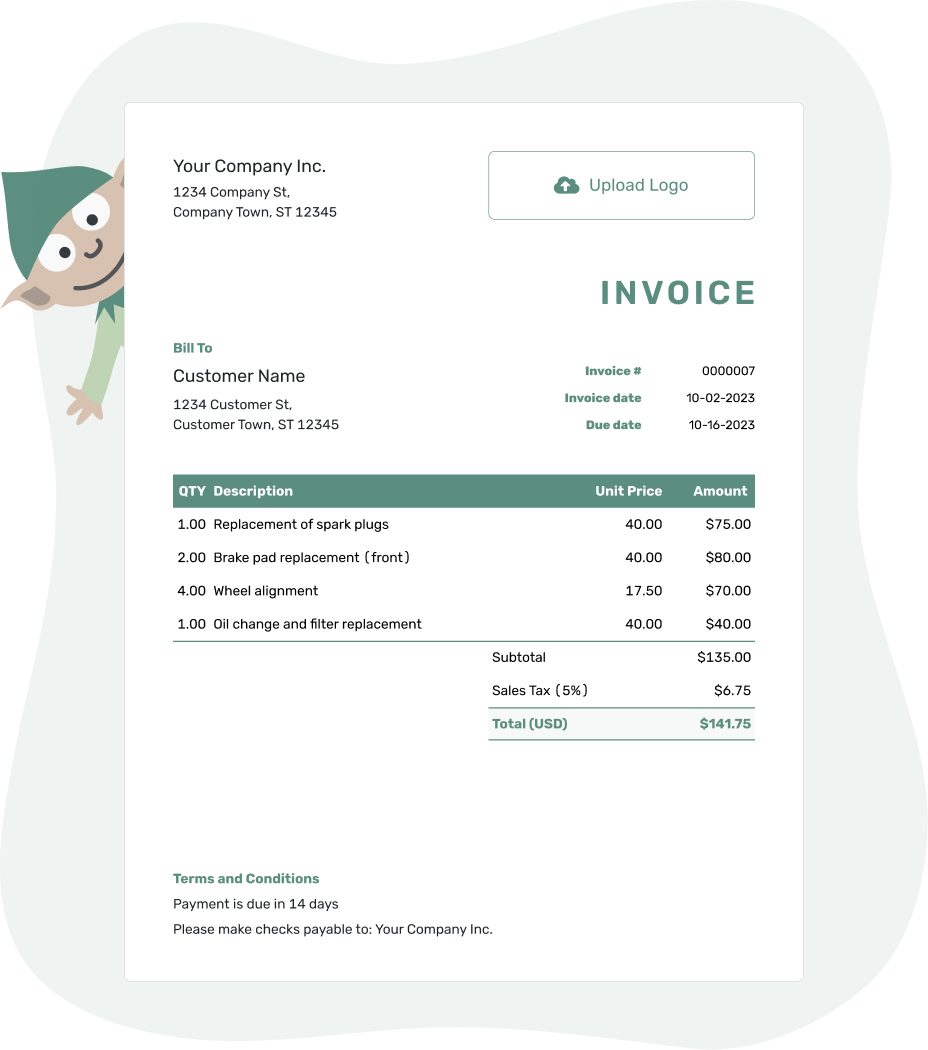
Create the invoice. Send it. Get back to work.
Find the Page for This Billing Stage
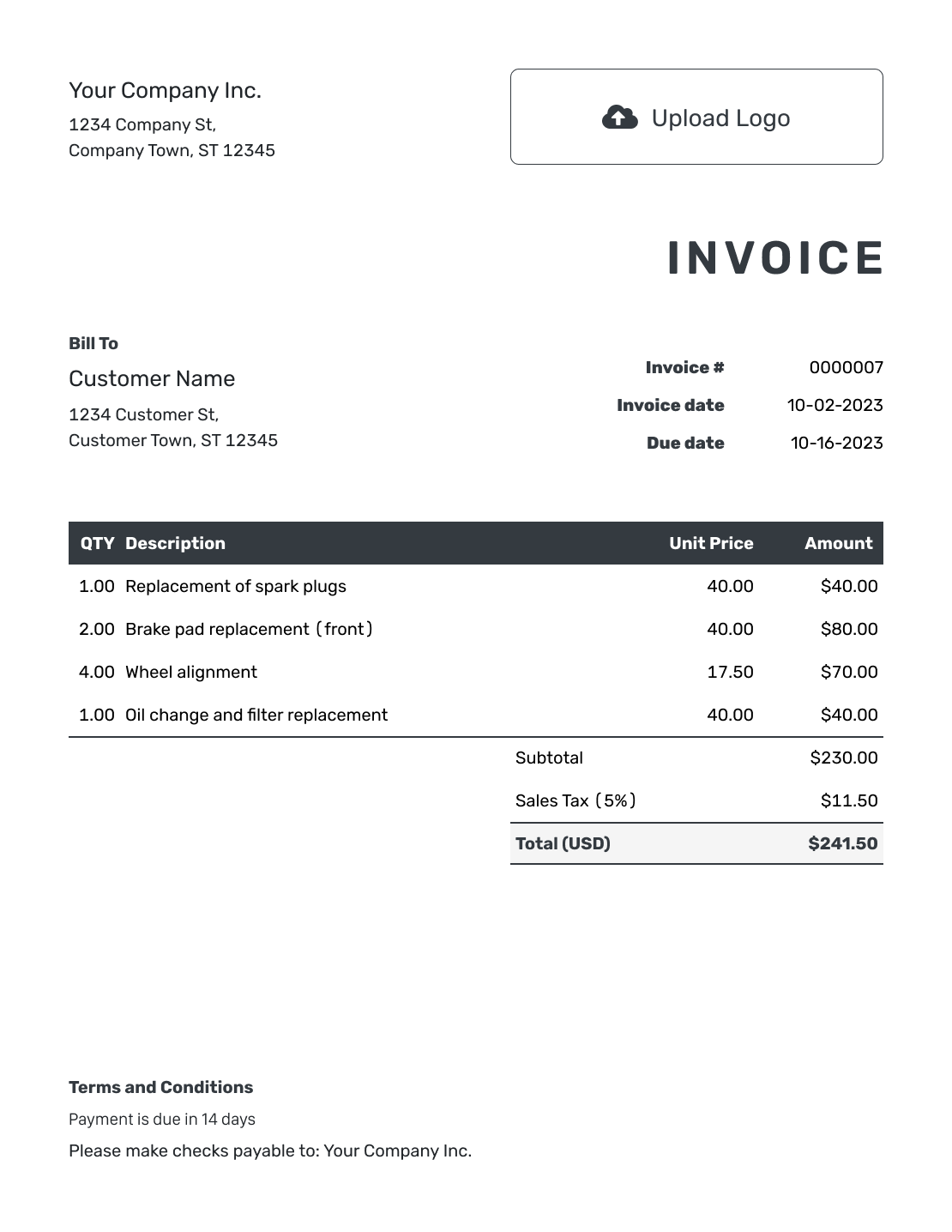
Do you need to request payment or show what has already been paid? Choose the page that fits. You will also find guides to expected charges and account summaries.
Deposit Requests & Expected Charges
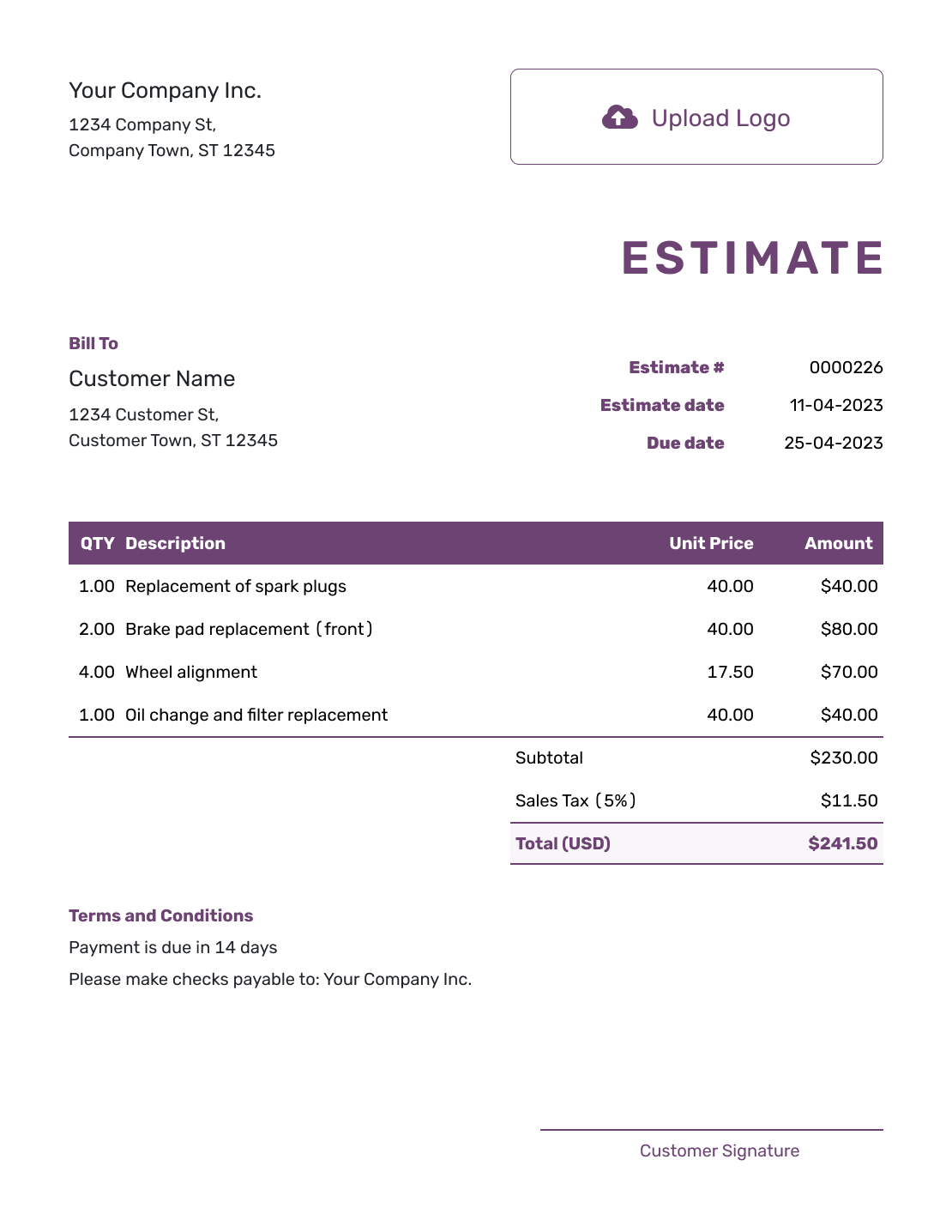
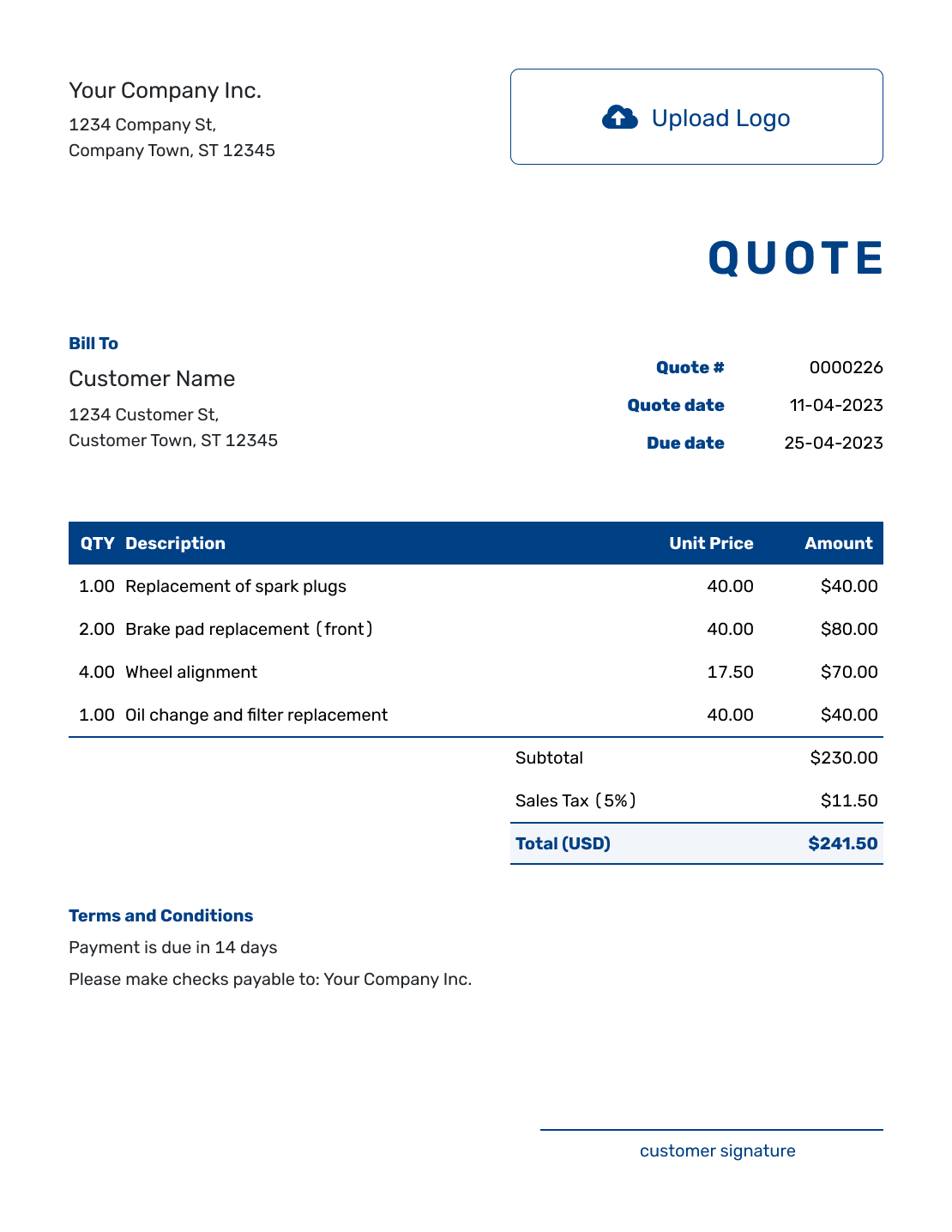
A deposit invoice asks for an upfront payment. A proforma shows expected charges before final billing. Keep that distinction clear so the customer knows whether you are asking them to pay.
Hours, Billing Periods & Ongoing Charges
Use the hourly template for time worked. The monthly, rental, membership and HOA dues pages cover charges for a set period. State which dates the customer is paying for.
- Hourly Invoice Template
- Monthly Invoice Template
- Rental Invoice Template
- Membership Invoice Template
- HOA Dues Invoice Template
Payment Records & Account Summaries
A paid invoice shows that the original bill has been paid. A statement brings together existing charges and payments. It does not add another charge for the same work.
Individual Charges & Pledged Contributions
The personal invoice page is for individuals requesting payment. The donation page covers requests for contributions, not proof that a contribution was received.
Show What the Charge Covers
The same work can fit more than one label. A consultant may bill hours each month. A rental invoice may cover one month. Use the description and dates to explain the charge, not just the document title.
Show the amount due and payment deadline when you ask the customer to pay. Label a proforma or statement clearly so they do not mistake it for a new bill.
Add the Detail That Fits the Payment Stage
Use these checks to keep the document's purpose clear.
Requesting a Deposit
Identify the order or job and the amount requested now. Make clear what the deposit covers under your agreement.
Billing Time or a Period
Show hours and rates for time-based work. For a monthly or rental charge, name the dates covered so periods do not overlap.
Confirming Payment
Record the payment against the original invoice. Show any remaining balance separately from the amount already paid.
Summarizing an Account
Use invoice numbers to identify existing charges. A statement should help the customer check the account, not make those charges look new.
Ready to Request Payment?
Create the invoice for the amount due now. Add the billing period or job reference. Docelf calculates the invoice total.
Prepare the Next Monthly Invoice
For repeat billing in Docelf, duplicate a previous invoice. The copy becomes a new draft with a new number. Update the billing period and review the charges before you send it.
Remove one-time extras and update any changed fees. Check for skipped services. You review and send each new invoice yourself; duplicating it does not schedule recurring invoices.
Keep the Bill and Payment Record Together
Before sending a payment request, check the customer, invoice number and dates. Review the line items, applicable tax or discounts, and total. Add payment instructions and the terms you agreed.
When payment arrives, record its amount and date. A fully paid Docelf invoice is marked Paid. You can create a separate receipt after recording payment.
Need an Industry or File Format Instead?
An industry template helps describe the work. A business template connects billing to a sale or agreement. A format page helps you choose the editing file or layout.
Invoice Type FAQs
-
What are the different types of invoices?
The pages here cover upfront payments, hourly work and charges for a billing period. There are also guides to paid invoices, proformas and account statements. Choose by what you need the customer to do next, rather than treating every document as a new bill.
-
How do I choose the right invoice type?
Decide whether you need an upfront payment, payment for work or a record of payment already received. Then choose the page that matches. Add the work description and dates so the title does not have to explain the whole bill.
-
What is the difference between a deposit invoice and a proforma invoice?
A deposit invoice requests an upfront payment for a job or order. A proforma presents expected charges before the final invoice. Make the purpose clear rather than using the labels interchangeably.
-
What is the difference between a paid invoice and a receipt?
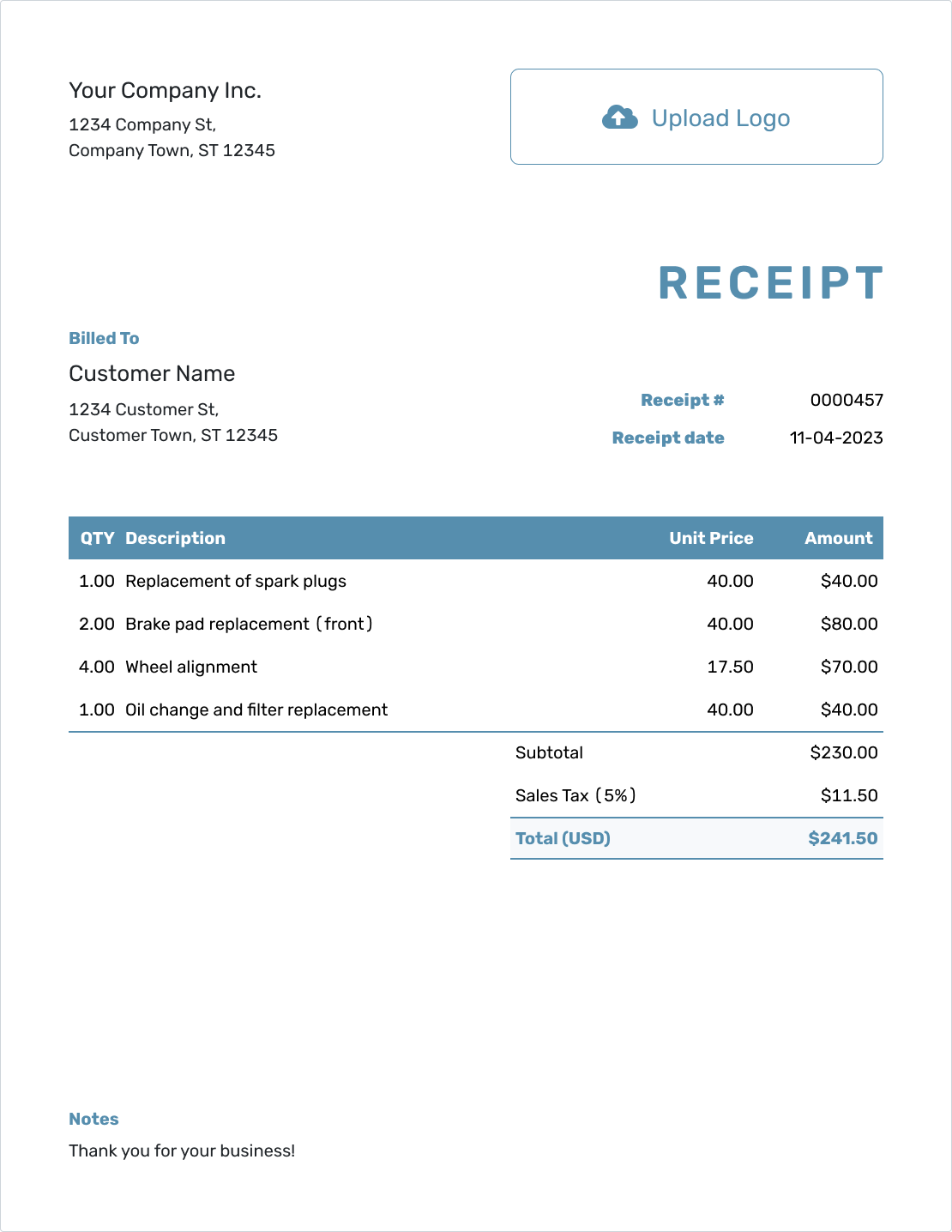
A paid invoice is the original bill marked as fully paid. A receipt is a separate confirmation of payment. In Docelf, record the payment first, then create the receipt from the invoice.
-
What is an invoice statement?
A statement summarizes existing invoices, payments and balances over a period. Use the statement page as a guide to that summary. Create individual invoices in Docelf when you need to request payment for a new charge.
-
Can I use a monthly invoice for recurring billing?
Yes. Use a monthly invoice for each billing period. In Docelf, duplicate the previous invoice to create a new draft with a new number. Check the dates and charges, then send it yourself. Duplicating an invoice does not schedule future bills.
-
What is the difference between an invoice type and an invoice format?
Type describes the billing purpose or payment stage. Format describes the file or software used to prepare the invoice. You can use an hourly or monthly billing description in the format that suits your business.
Create the Invoice for the Amount Due
Make the payment request clear before you send it.
- Identify the job or billing period
- Set the amount and payment due date
- Keep the invoice and recorded payments together