Free Business Estimate Templates
Choose the estimate that fits the job
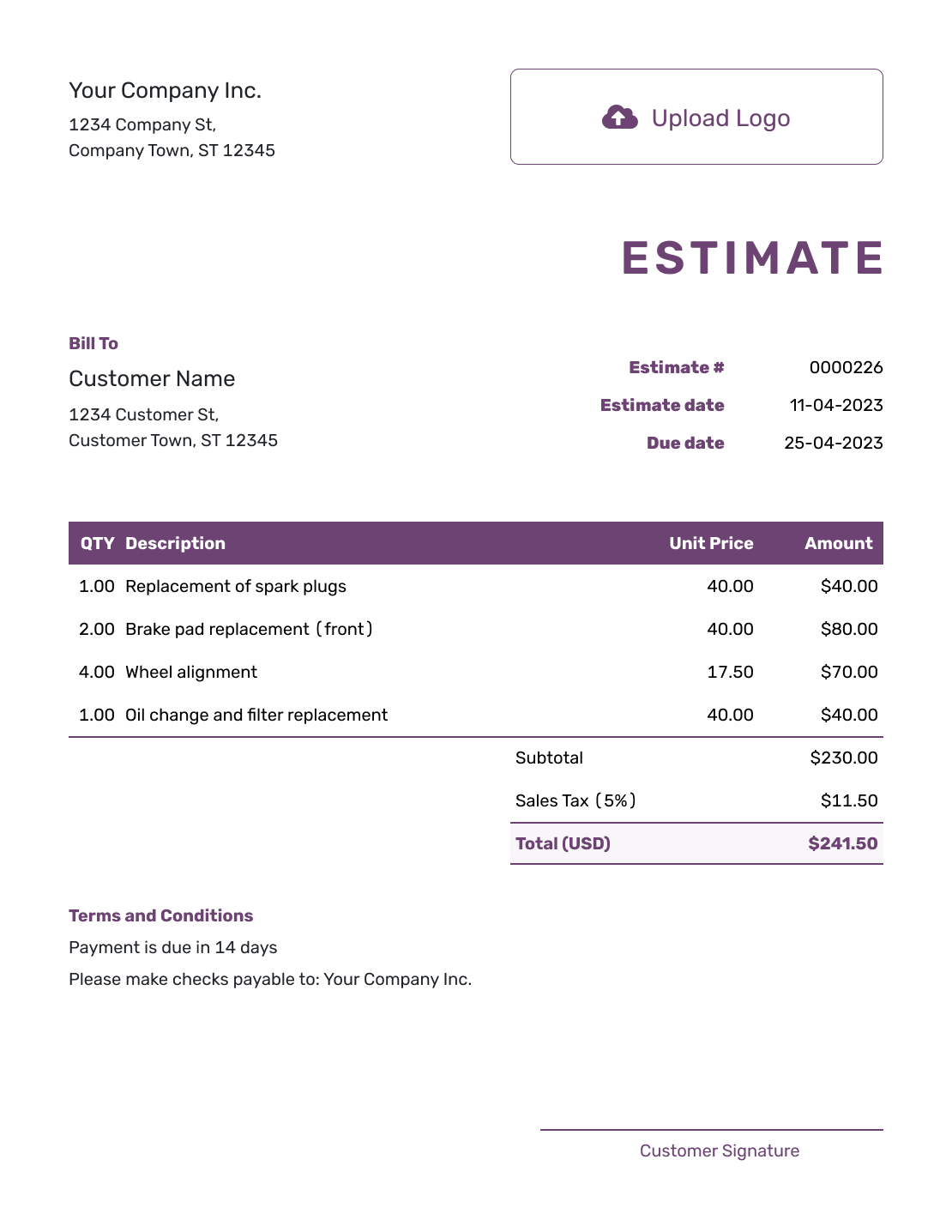
Choose an estimate template that fits the job, from everyday services to larger projects. Customers see the scope and likely price clearly, making it easier to choose you.
Create the estimate in Docelf, then email it, print it or download a PDF.
14-day free trial. No credit card required.
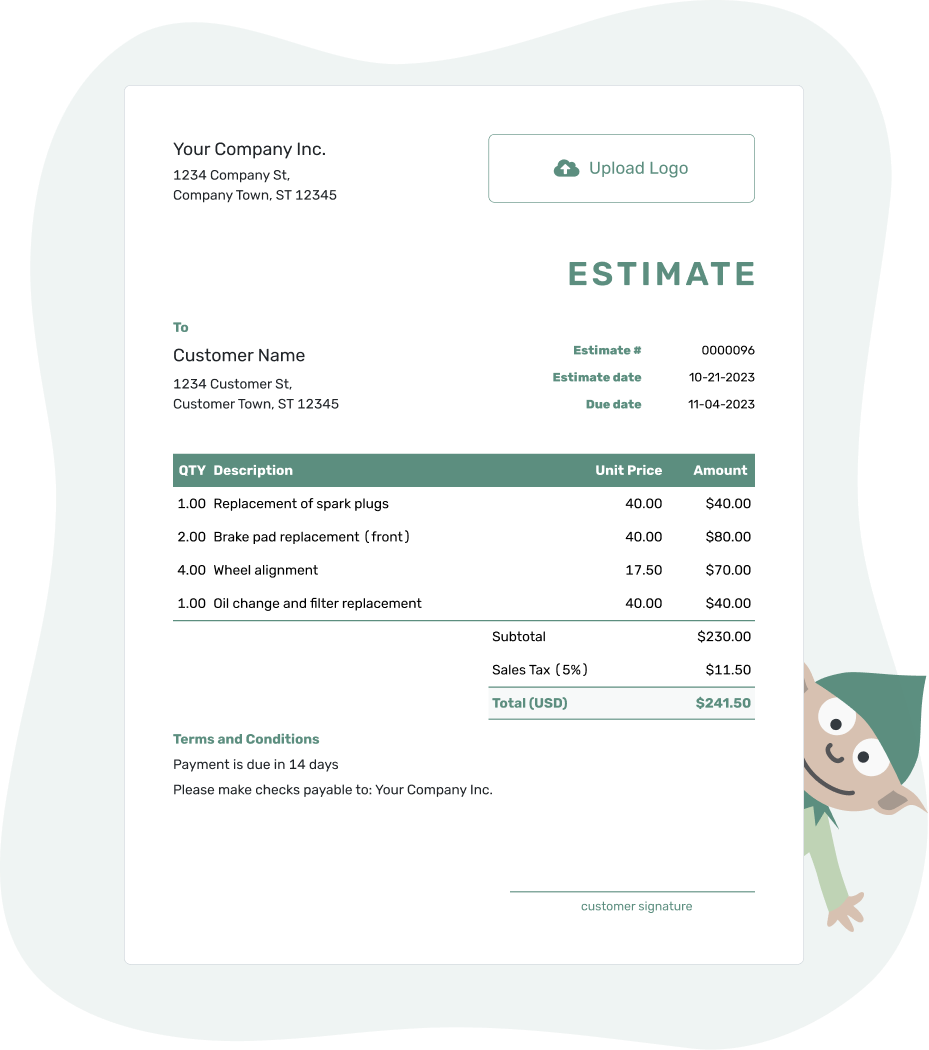
Price the job. Send the estimate. Get back to work.
Choose a Business Estimate Template
Start with the question your customer needs answered. A job estimate shows the likely price for one job; a cost estimate gives more attention to the labor, materials and other costs behind that price. Choose a bid or proposal guide when the customer has asked for a competitive price or a fuller explanation of your approach.
Job, Cost, Bid & Proposal Estimates
Business, Freelance & Contractor Estimates
Use the business template for everyday products and services. The freelance guide helps you describe deliverables and revision limits. Use the independent contractor guide to separate labor from materials and expenses, and explain worksite access or timing.
Estimate, Bid or Proposal?
These documents can overlap, but each one puts the emphasis in a different place. Use the one the customer asked for and the one that best fits how clearly the work and price are defined.
Estimate
Use an estimate for the expected work and a likely price based on what is known now. Explain the main assumptions that could change the final amount.
Bid
Use a bid to present a price for clearly defined work, often when several businesses are competing for the same project.
Proposal
Use a proposal when the customer also needs your approach, schedule, deliverables and reasons to choose your business.
Price the Job in Docelf
Add the customer, expected work and likely price. Docelf calculates the totals. Review the details, then email the estimate or download a PDF.
How to Create a Business Estimate
Once you have chosen a starting point, use the customer’s request to set out the work. Price the quantities you expect to need and explain any assumptions behind them.
- Customer and Job: Enter your business and customer details. Add the project name and service location when they help identify the job.
- Expected Work: Describe the services, deliverables or products you expect to provide.
- Build the Price: Enter quantities and unit prices, such as hours at an hourly rate. Include separately charged travel or outside services, then check tax and any discount.
- Timing and Assumptions: Explain the expected schedule, what the customer needs to supply and what is outside the scope.
- Deadline and Terms: Set a response deadline. Use Terms and Conditions for assumptions, change approval and any payment terms your business uses.
- Review and Send: Preview the estimate and check the likely total. Choose to email it, print it or download a PDF when it is ready.
Make the Work and Price Easy to Review
A useful estimate answers the questions a customer would otherwise need to call you about. A little detail is usually enough to explain the work and the price.
Scope that fits the job
Name the result the customer will receive. “Design a five-page website” says more than “project work” and gives both sides something clear to review.
Costs that explain the total
Separate labor, materials and other charges when the breakdown helps. Use the same unit for the quantity and rate: estimated hours go with an hourly rate, while a package has one price.
Assumptions and limits
Explain what you are relying on. A website estimate might assume the customer supplies the text and photos, with new photography outside the scope.
Timing and terms
Distinguish the expected work schedule from the date you need a response. If the start depends on receiving the customer’s materials, say so in Terms and Conditions.
Check the Estimate Before You Send It
Before sending, read the estimate as if you were the customer. Can you tell which job it covers and what you are being asked to approve?
- Check the customer, project details, estimate number and date.
- Match each quantity to its rate and check the estimated total.
- Make sure the priced items agree with the scope and exclusions.
- Include the response deadline and any timing or payment terms.
Keep internal cost calculations separate from the customer’s copy. Terms and Conditions should explain the assumptions and policies that affect this job, using only terms your business actually applies.
After You Send the Estimate
Your customer can accept or decline the estimate online. Use the document history to check delivery and opening, and Docelf will email you when the customer responds.
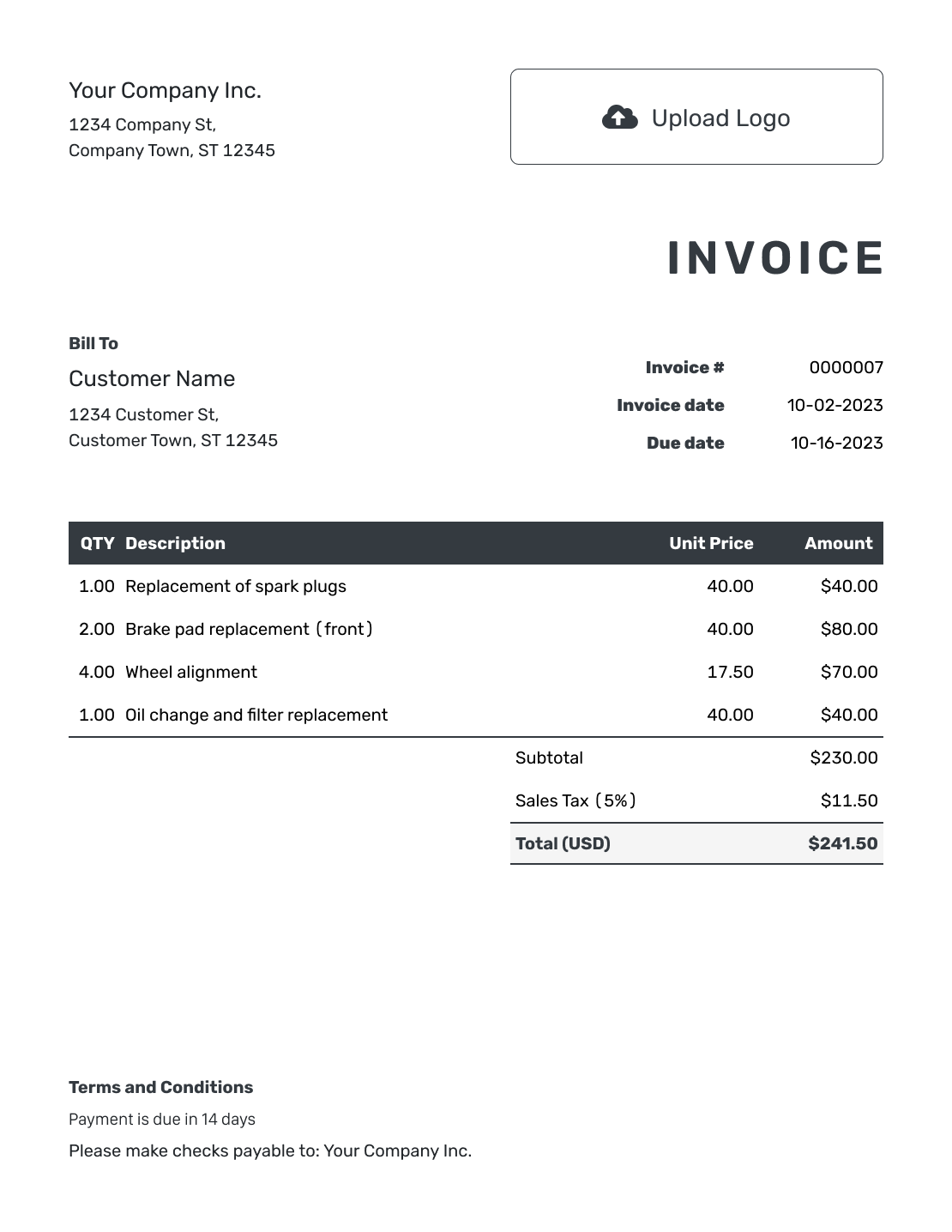
If the scope or expected price changes, explain the change and send a revised estimate. When it is time to bill, create an invoice from the estimate and check the final work and prices before sending it.
More Estimate Templates
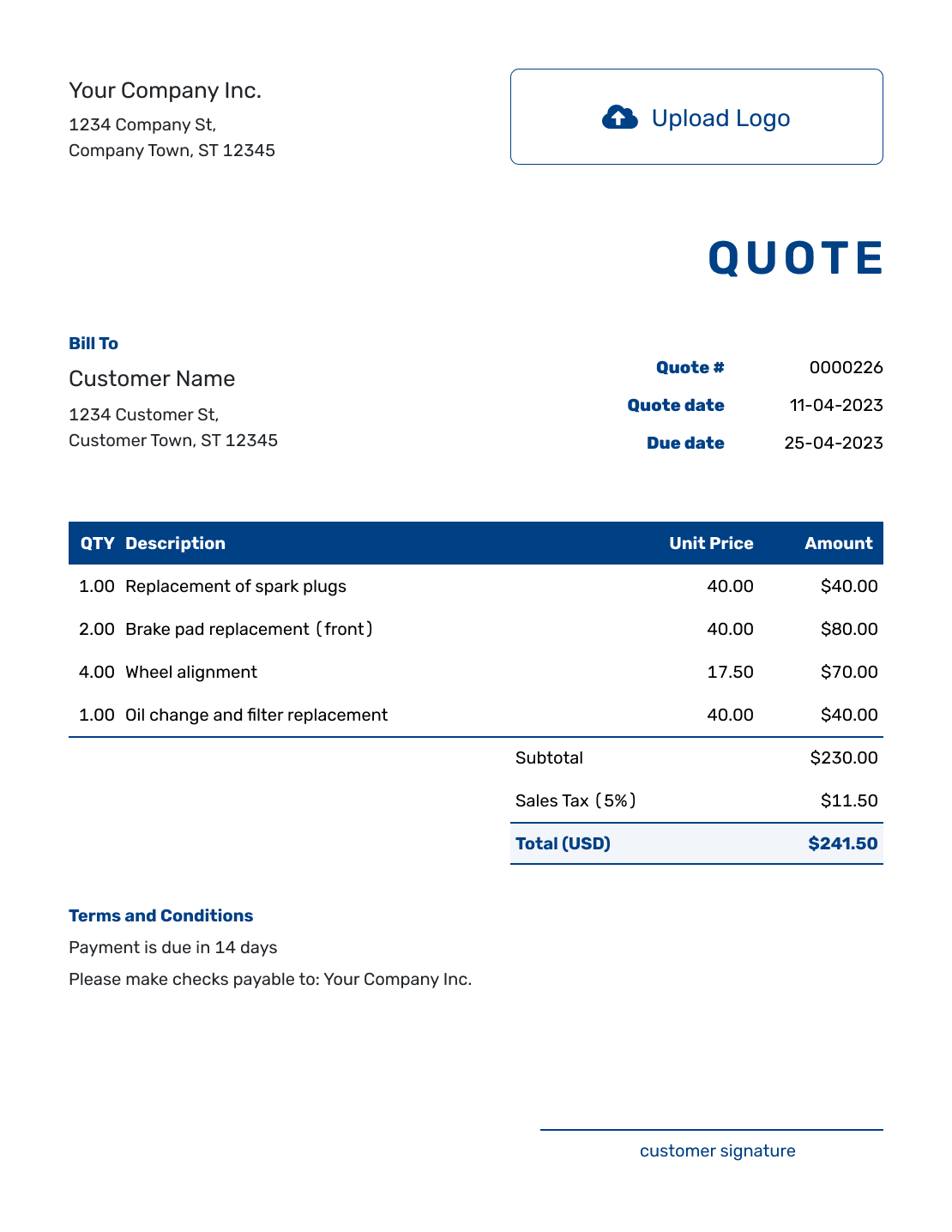
Browse by industry or file format, see a completed estimate, or compare a quote with an estimate before you send the document.
Business Estimate Template FAQs
Find answers to common questions about choosing, preparing and using a business estimate.
-
What is a business estimate template?
A business estimate template helps you show a customer the expected work and likely price before the work is complete. It can include services, products, quantities, rates, terms, assumptions and the estimated total.
-
What is the difference between a job estimate and a cost estimate?
A job estimate focuses on the likely price of a particular job or project. A cost estimate focuses on the expected expenses behind that price, such as labor, materials, equipment or outside services. One estimate can show both when the breakdown helps the customer.
-
What is the difference between an estimate, bid and proposal?
An estimate shows a likely price based on what is known now. A bid usually presents a price for defined work, often in a competitive process. A proposal can also explain the approach, schedule, deliverables and reasons to choose your business.
-
Can freelancers and independent contractors use a business estimate?
Yes. Freelancers and contractors can use an estimate to show the expected deliverables, hours or project fee and any outside costs. Add the timing, revision limits, assumptions and likely total before the customer approves the work.
-
How detailed should a business estimate be?
Include enough detail for the customer to understand the expected work and likely price. Separate the costs and assumptions that affect the decision, but leave out internal notes that do not help the customer review the estimate.
-
Can I turn an accepted business estimate into an invoice?
Yes. You can create an invoice from an estimate in Docelf. The relevant customer, item, price and document details are copied into the invoice so you can review what should be billed.
Ready to Price the Work?
Give your customer a clear starting point for agreeing to the work.
- Add the work and expected quantities
- Let Docelf calculate the estimated total
- Review the estimate, then send it to your customer