Free Job Quote Template
Create a professional job quote in minutes
Describe the work you're offering and show the total price. Customers get a clear picture of the work and a reason to hire you.
Email, print or download your quote as a PDF.
14-day free trial. No credit card required.
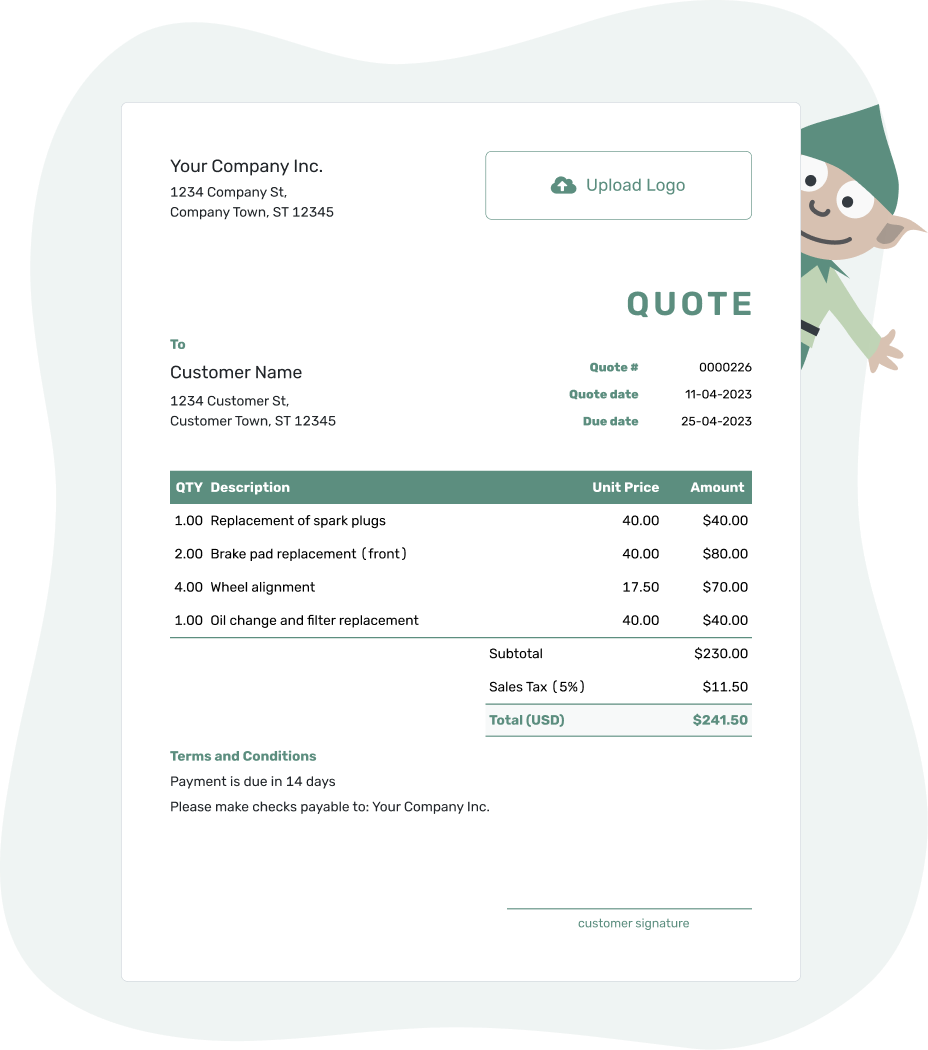
Price the job. Send the quote. Get back to work.
Job Quote Template Examples
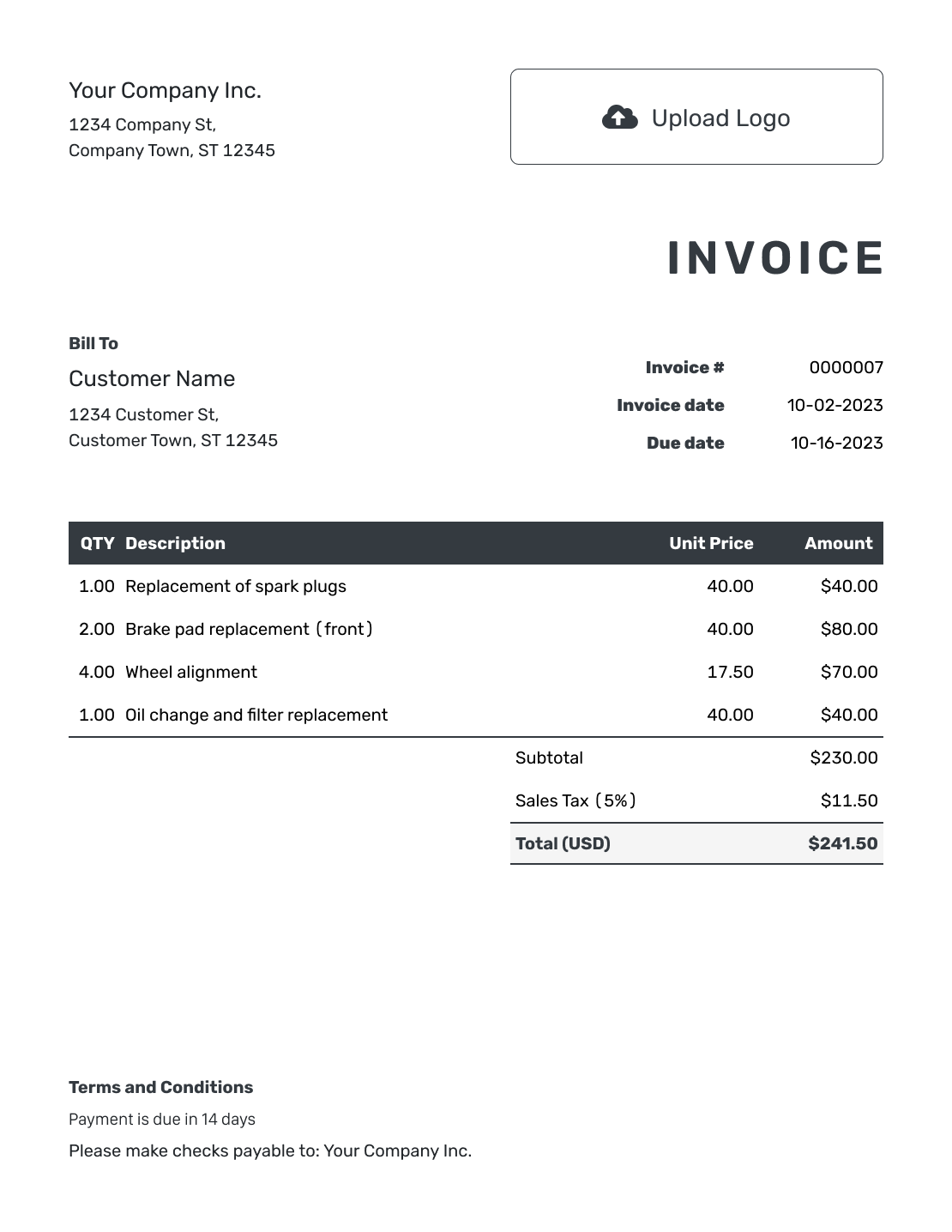
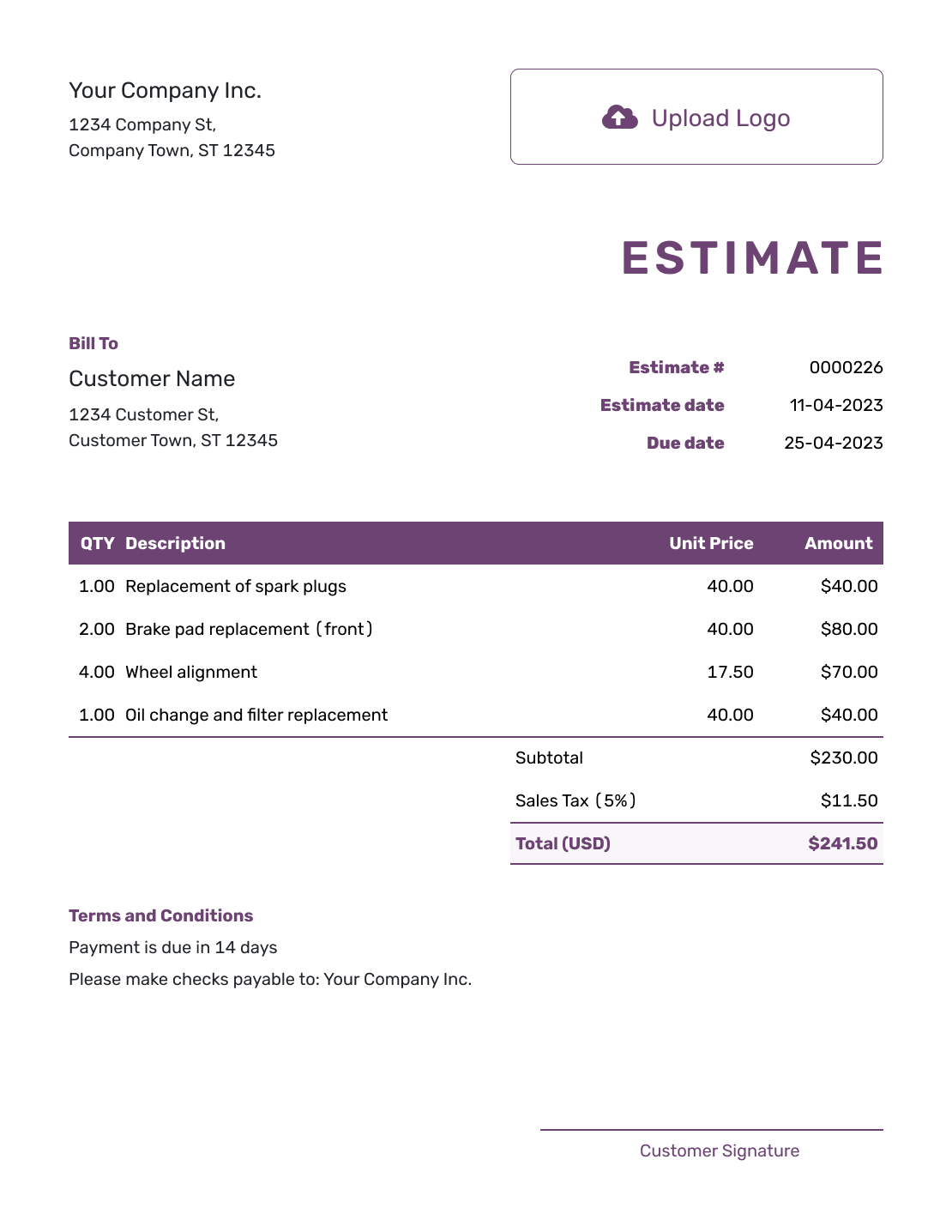
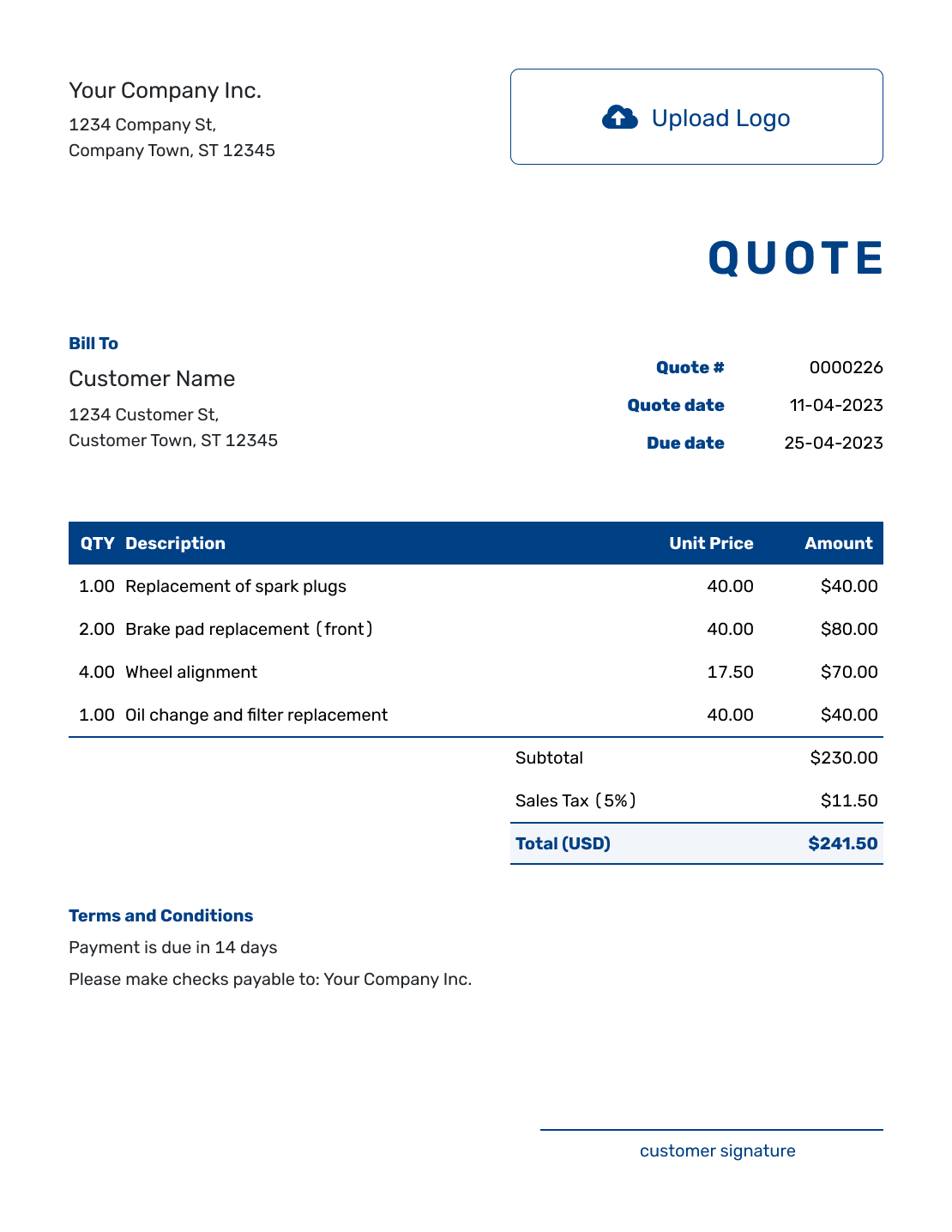
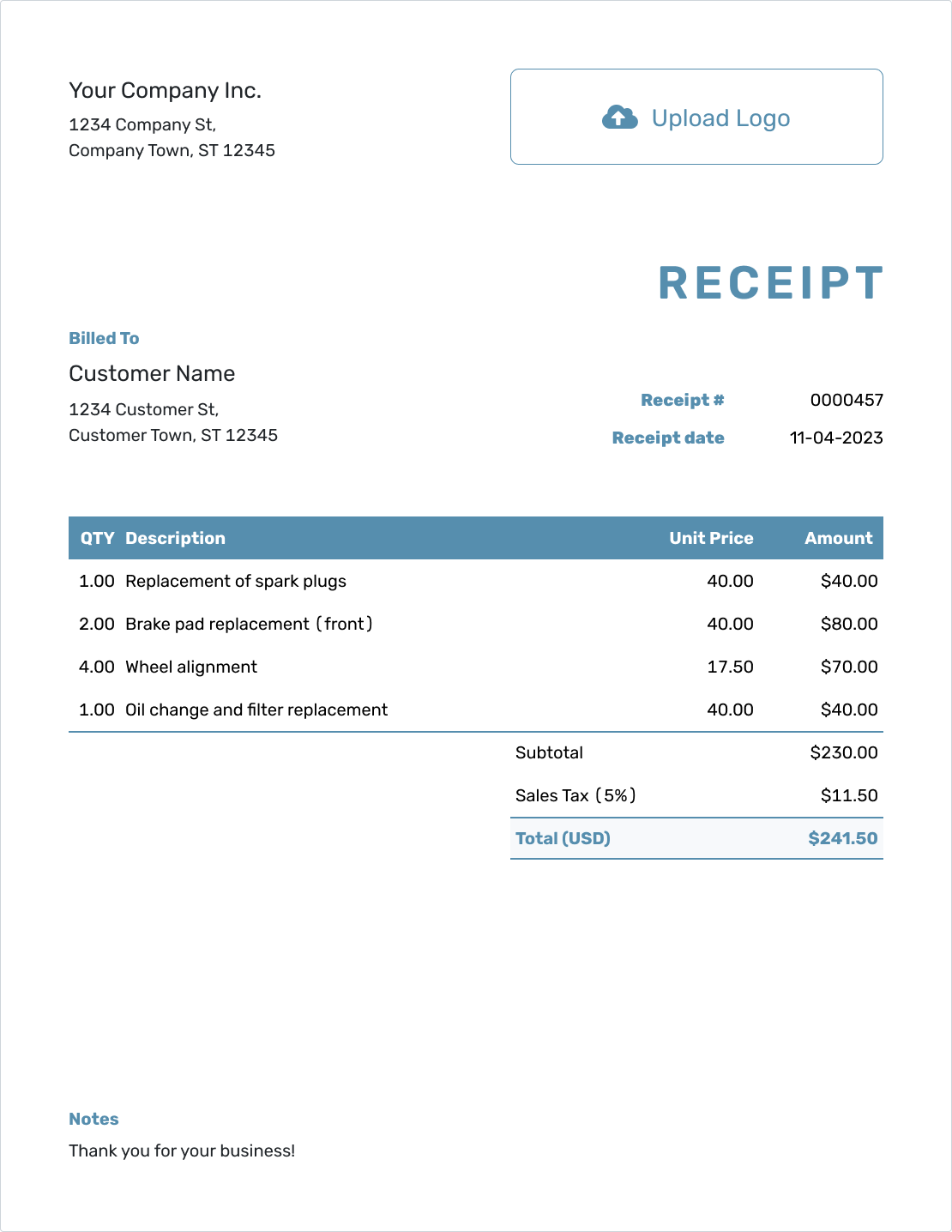
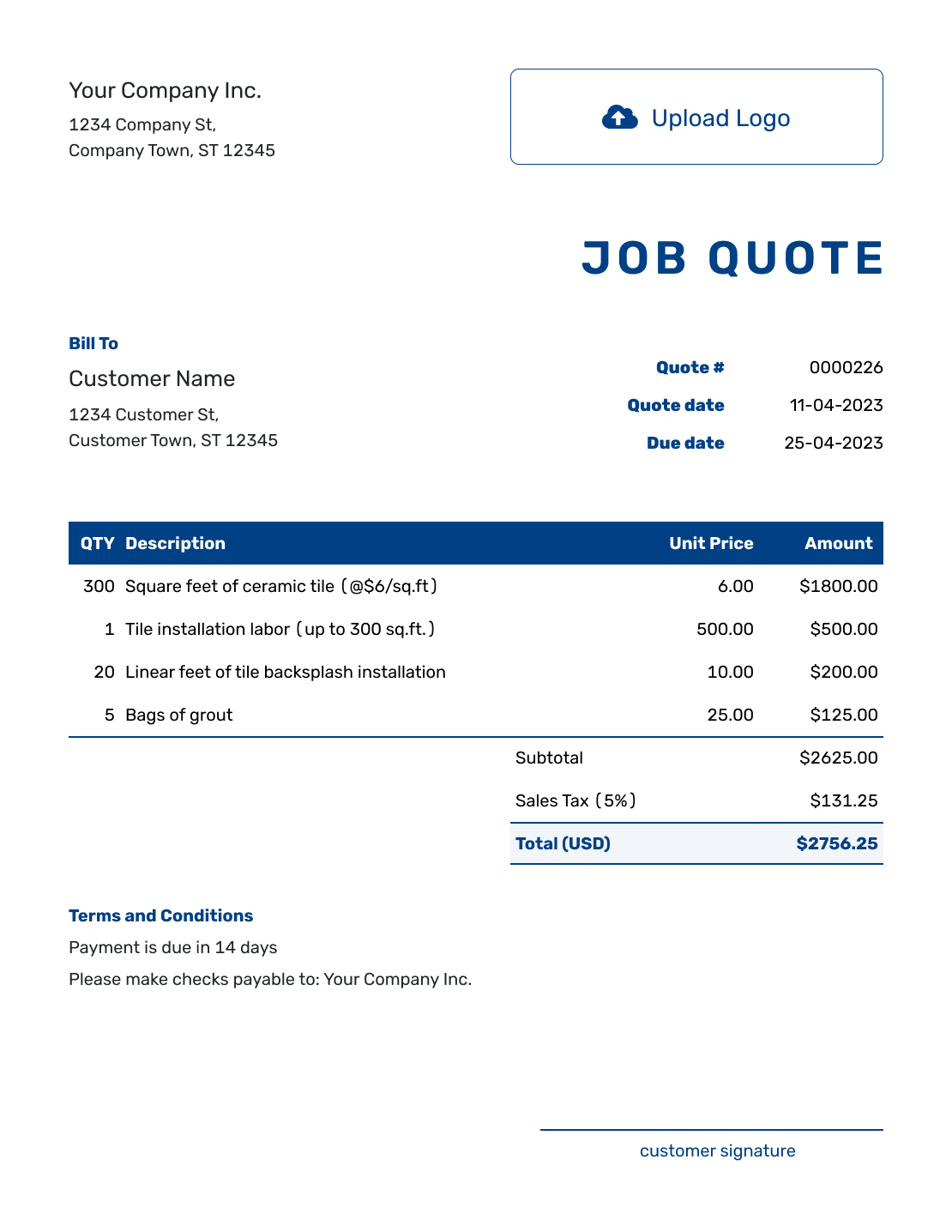
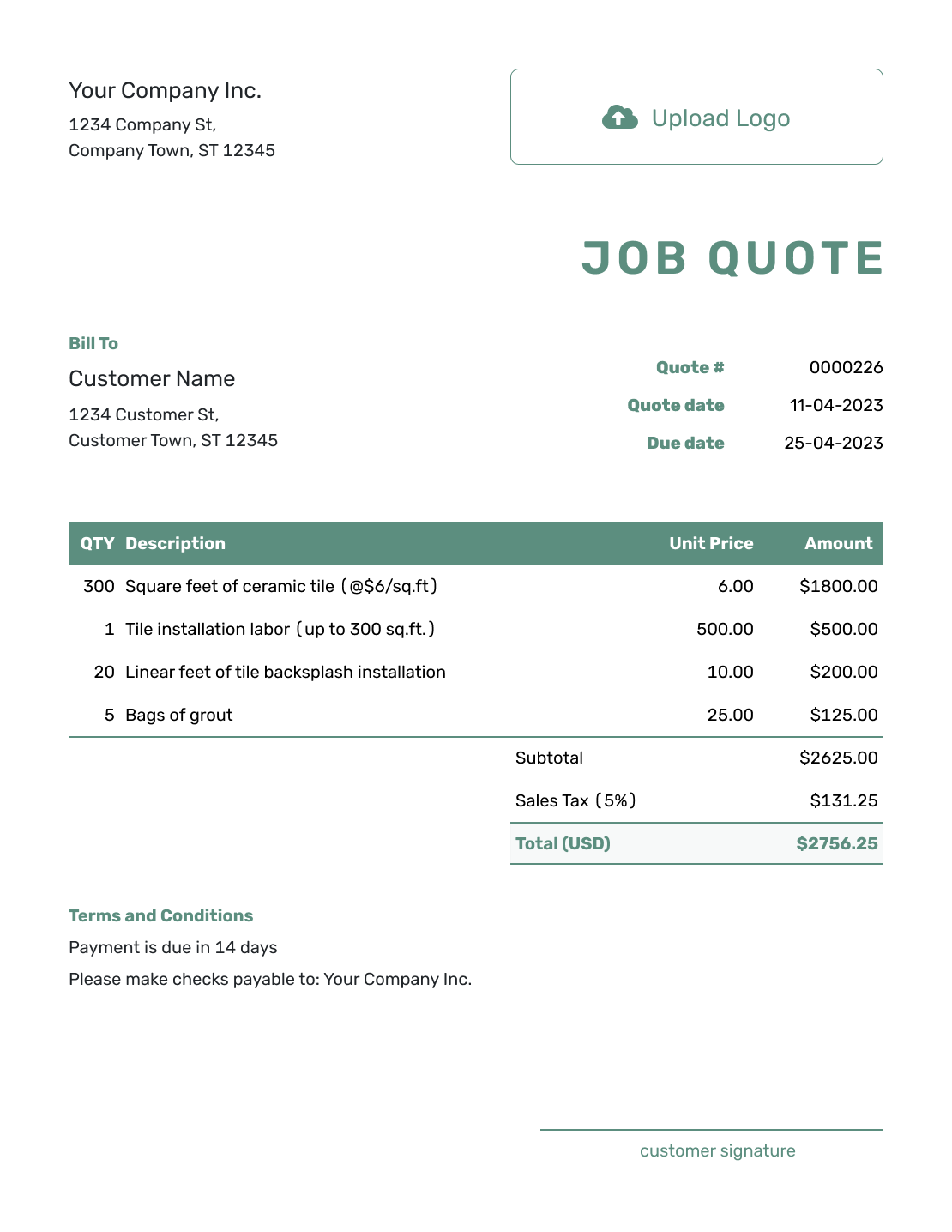
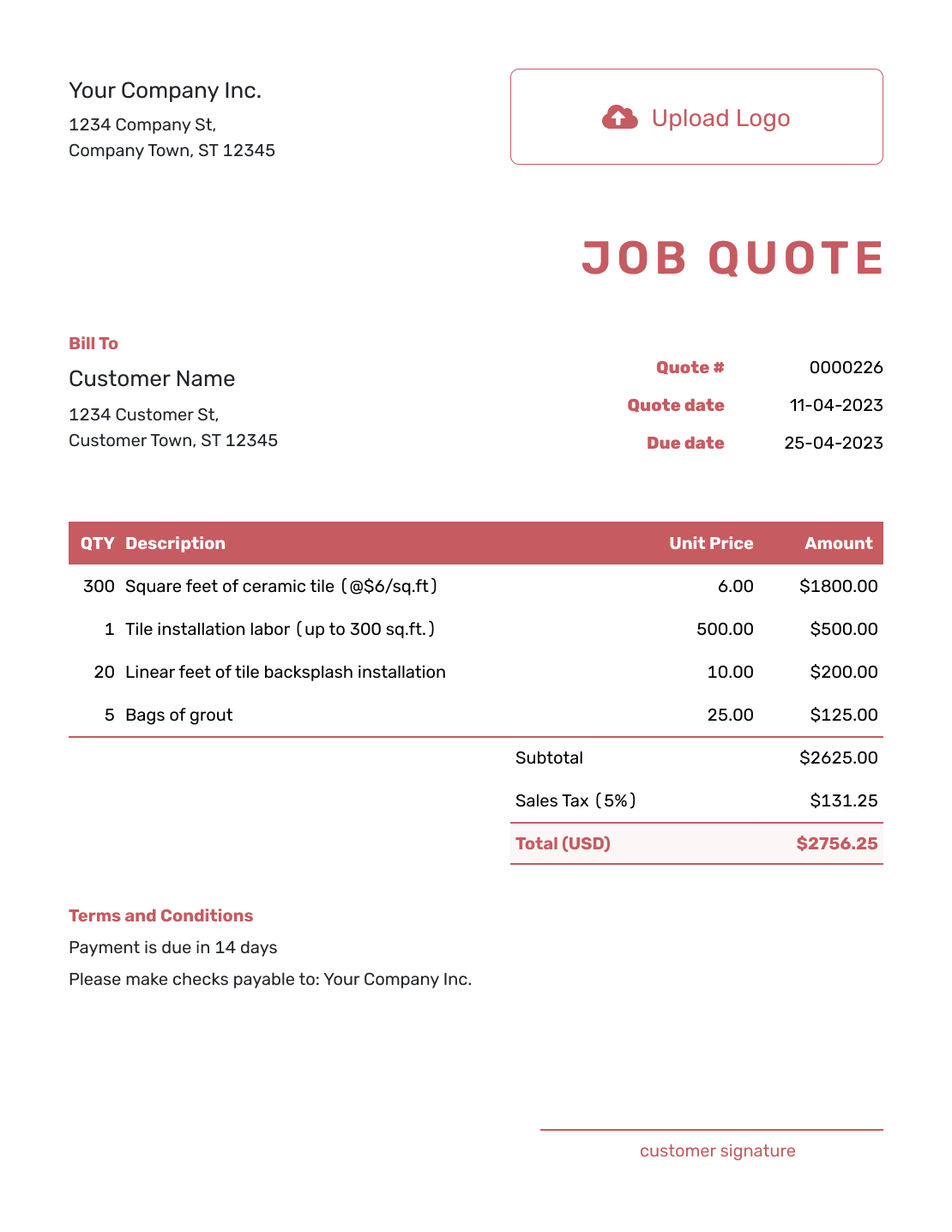
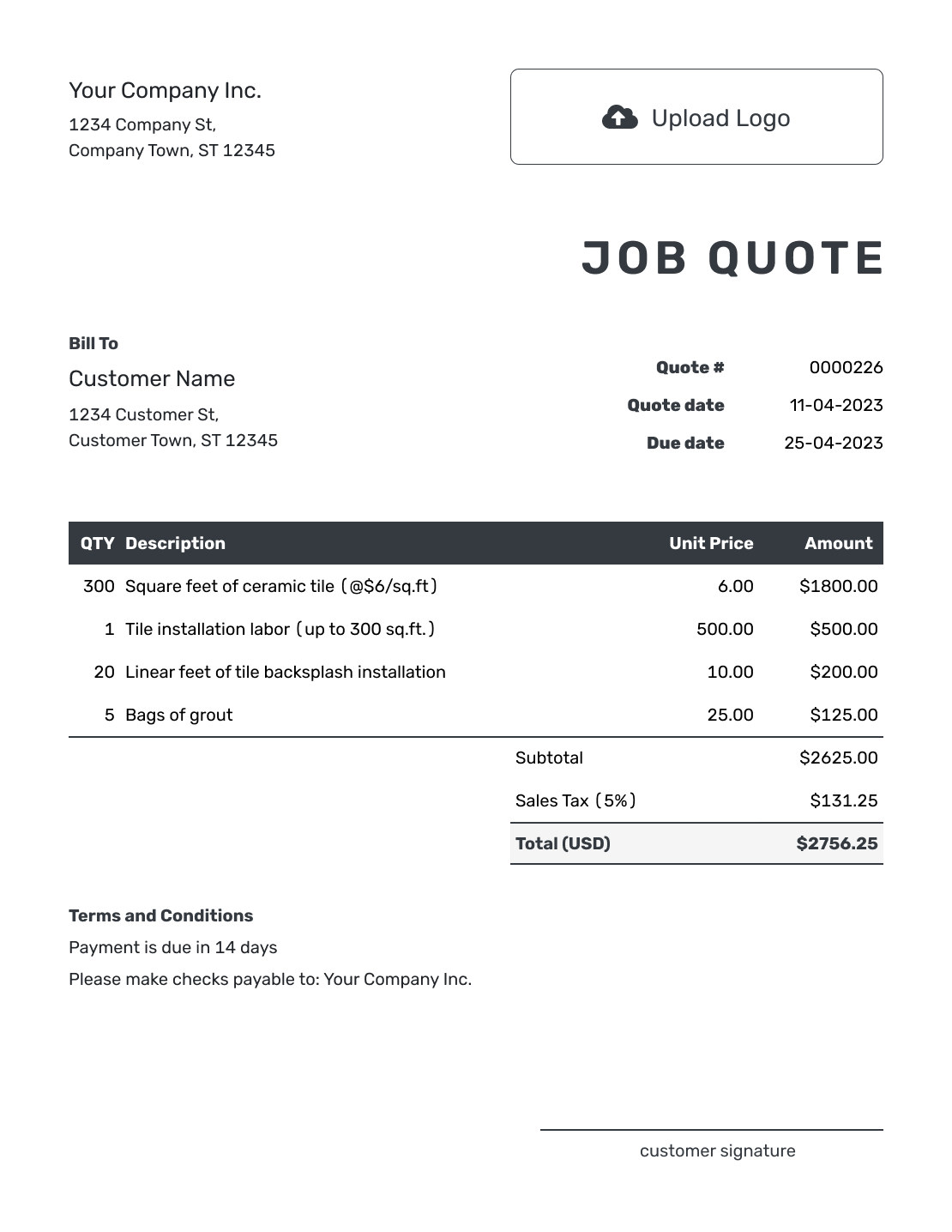
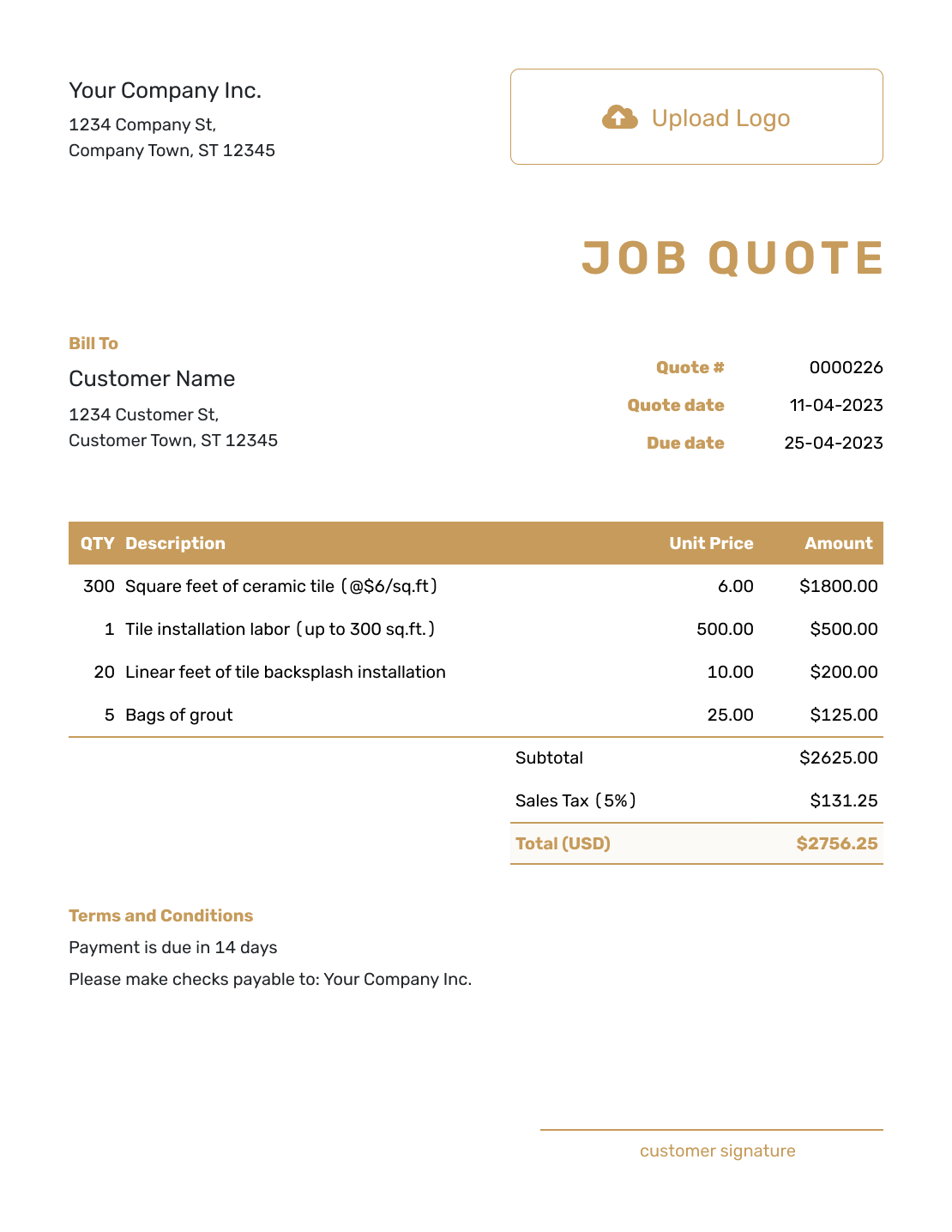
Use these previews for layout ideas before adding your own job details. Each opens the same Docelf quote editor; the worked example below shows how to describe a complete job.


Put One Complete Job in the Quote
A job quote is a written offer for a defined piece of work. It tells the customer what you will deliver, what the price covers, and when the job can happen. Use it for a job that does not need a more specific industry template.
Start with the finished result: for example, two shelving units delivered, assembled, and positioned in an office. Name materials, access requirements, and exclusions where they affect the price. If important quantities or costs are still uncertain, an estimate may be the clearer starting point.
How to Create a Job Quote
Confirm the job location and the result your customer expects. Then describe the work and materials in enough detail for the customer to recognize the complete offer.
- Your Business: Add your business name and contact details.
- Your Logo: Use the logo from your other business documents.
- Your Customer: Enter the customer and identify the job location.
- Number and Dates: Check the quote number, issue date, and valid-until date.
- Work and Materials: List each task or item with its quantity and price.
- Check the Total: Review the line amounts, applicable tax, and job total.
- Terms and Send: Add timing and scope limits in Terms and Conditions. Review, then email the quote.
How to Fill In Job Quote Line Items
Describe the result of each charge, with quantities and units the customer can understand. Materials and labor can appear on separate lines while the total remains a fixed offer for the defined job. Do not charge again for work already included in a package.
This fictional quote covers two shelving units delivered and assembled at a ground-floor office. All amounts are in US dollars, with an illustrative 8% tax on the full subtotal. Use your own prices and applicable tax treatment.
| QTY | Description | Unit Price | Amount |
|---|---|---|---|
| 2 | Freestanding shelving units — four tiers, 36 inches wide | $180.00 | $360.00 |
| 4 | Assemble and position two shelving units — included labor hours | $50.00 | $200.00 |
| 1 | Local delivery to the ground-floor office | $60.00 | $60.00 |
| Subtotal | $620.00 | |
| Sales Tax (8% illustrative) | $49.60 | |
| Quote Total | $669.60 |
The offered job price is $669.60 for the scope described here. The four labor hours and delivery charge are included in that total. An approved change to the scope needs a revised quote.
What to Include in Job Quote Terms
The Terms and Conditions field connects the price to the job you have discussed. Explain the expected timing, access needed, payment due date, and anything the price does not cover. Include only the policies your business actually uses. If you offer a warranty, state its coverage and check the wording against local requirements.
For the shelving example, ground-floor access and a clear work area keep the scope specific. Adapt the sample to your job and replace the date and address before sending.
Example: Terms and Conditions
- This quote is valid until [date] and covers two agreed shelving units delivered and assembled at [job address].
- We will agree on a delivery date after acceptance. Delivery and assembly are planned for one visit with ground-floor access.
- The customer will clear the assembly area before arrival. Removing old furniture and altering the premises are not included.
- The quoted total is fixed for this scope. Changes to the units, quantity, or work require a revised quote for approval before the changed work begins.
- Payment is due on completion.
Turn the Job Details Into a Clear Offer
Add the work and materials you have agreed to price. Docelf calculates the total as you enter the items. Check the scope and terms, then email the offer for your customer to review.
Choose How to Show the Job Price
Choose how much detail the customer needs and make the pricing basis explicit. An itemized breakdown can still add up to one fixed job price.
Fixed Job Price
Use one price when the complete scope is clear and the customer mainly needs the total and the work included.
Itemized Price
Break out tasks, labor, materials, or equipment when those details explain the total. Say whether the quantities support a fixed price or will be measured and billed later.
Base Price With Options
Keep unselected extras outside the quoted total. Describe the option and its price in the terms or an attachment, then update the quoted items when the customer chooses it.
Allowance
Label any allowance for an item still to be chosen. Explain what amount is included and agree on any price difference before ordering. Use an estimate if too much of the job is still uncertain.
Agree on Changes Before Adding the Work
If the customer asks for another unit, different materials, or a new task, update the affected quantities and price together. Check whether the extra work also changes the schedule or access needs.
Send the revised quote for acceptance before starting the changed work. Keep the agreed scope and price clear so both you and your customer know what comes next.
Job Quote, Estimate, or Invoice?
Choose the document based on how much you know about the job and whether payment is due. A separate work order can later describe or assign the approved work.
After You Send the Job Quote
Your customer can accept or decline an emailed Docelf quote online without an account. Check the document history for delivery and viewing information; Docelf emails you when the customer responds.
When payment is due, create an invoice from the quote to reuse the customer and line-item details. Check it against the accepted job and add the payment due date. If you bill in stages, include only the stage being charged; a later invoice can start as a duplicate draft with updated items.
More Job Quote Layouts


Other Quote Template File Formats
Choose a document format for writing the scope or a spreadsheet for working through quantities and prices. These pages provide separate file templates; Docelf downloads the finished online quote as a PDF.
Related Quote Templates
Choose a related template when the work is priced by time, managed as a project, or belongs to a specific industry.
Job Quote Template FAQs
-
What is a job quote?
A job quote is a written offer for a defined piece of work. It states what you will provide, the price, expected timing, and terms the customer can accept before the job begins.
-
What should I include in a job quote?
Identify your business, customer, job location, and quote dates. Describe the finished result and the work and materials included in the price. Add timing, access needs, exclusions, payment terms, and how changes will be agreed.
-
How do I price a job quote?
Break down the labor, materials, delivery, and other costs needed to complete the job, then set the price you are offering. You can show an itemized breakdown and still offer a fixed total. Make that basis clear in the terms.
-
What is the difference between a job quote and an estimate?
A job quote offers a specific price for a defined scope. An estimate gives your best prediction when important quantities, time, or costs are still uncertain. Do not present an uncertain allowance as a confirmed fixed price.
-
Should I separate labor and materials on a job quote?
Separate them when the detail helps explain the price. If the customer supplies materials, identify them and state what your labor includes. You can also use one package price when its description clearly covers the whole job.
-
Should a job quote include a start and completion date?
Include expected timing when it helps the customer plan. Explain any conditions such as material availability, access, or weather. If you cannot confirm a date yet, say when you will agree on it rather than promising one.
-
What should I do if the job changes after acceptance?
Update the scope and affected line items together, including any effect on timing. Send the revised quote and ask the customer to accept it before you begin the changed work.
-
Can I ask for a deposit on a job quote?
Yes. If your business uses a deposit, state its amount, when it is due, and what it covers. Explain when the balance or later stages will be invoiced. Keep the full job price clear; a quote does not confirm that payment has been received.
-
Can I turn an accepted job quote into an invoice?
Yes. Create an invoice from the quote in Docelf to reuse the customer and item details. Check that it covers only the amount you are billing now. For a later stage, you can duplicate the invoice as a new draft and update the items and dates.
Ready to Send Your Job Quote?
Give the customer one clear job offer before you schedule or begin the work.
- Break the job into clear tasks or phases
- Show the price and what the job includes
- Email the job quote or download a PDF