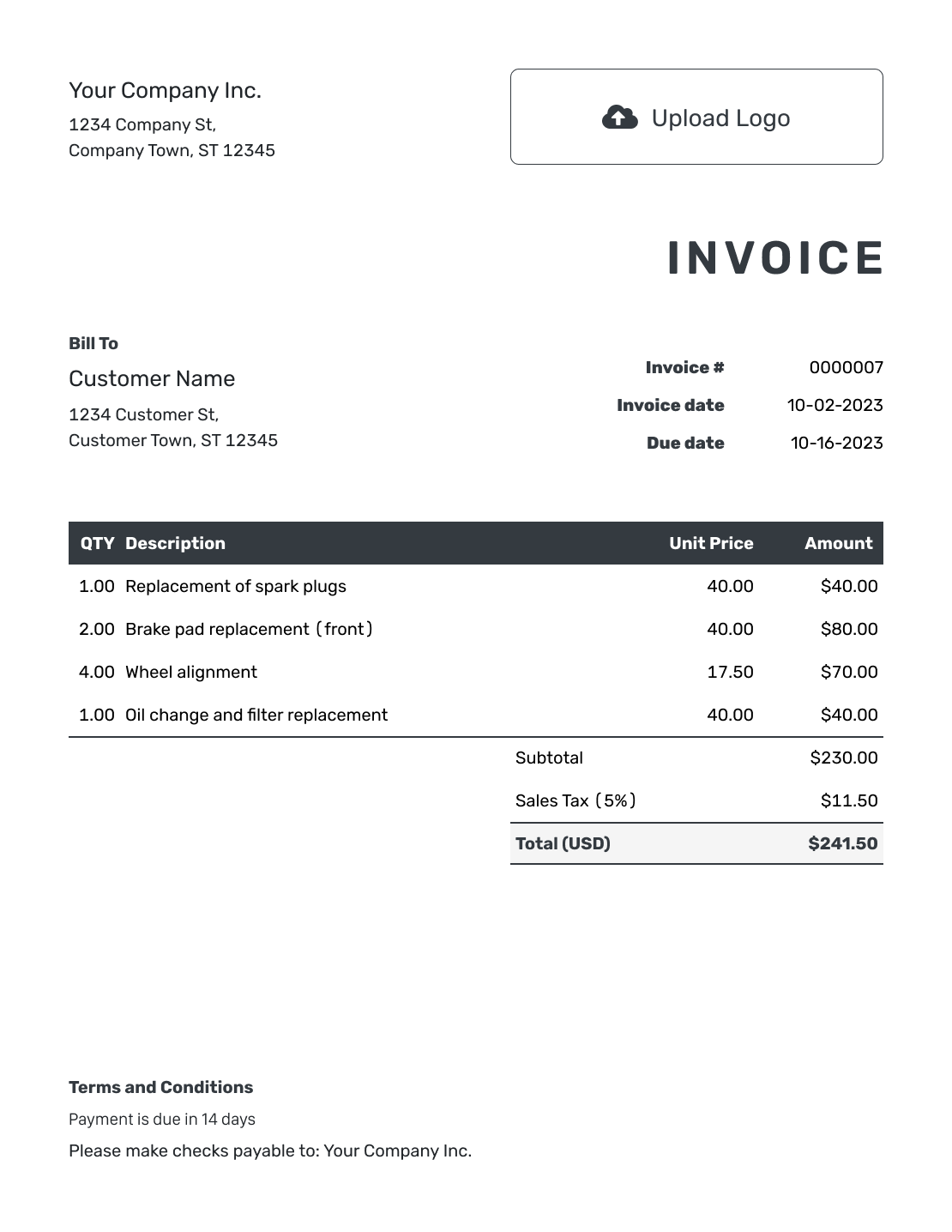
Free Logistics & Shipping Invoice Templates
Choose an invoice for freight, delivery or goods
Choose a template for freight, delivery, trucking services or goods you sold. The right invoice helps you show the shipment or service and its charges clearly.
Email, print or download your invoice as a PDF.
14-day free trial. No credit card required.
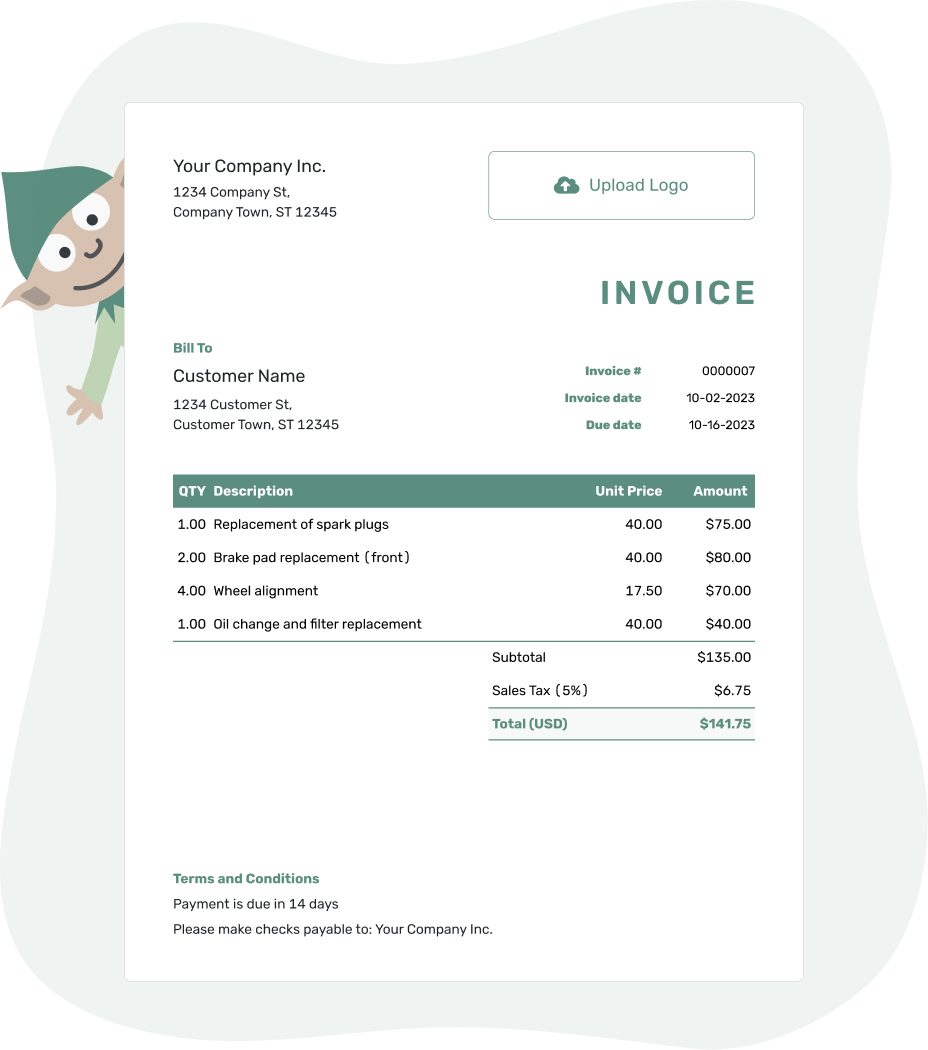
Create the invoice. Send it. Get back to work.
Are You Billing for Transport or Goods?
First decide what the charge is for. Moving a shipment is a service; selling the goods in it is a different transaction.
Freight, Delivery & Trucking Services
The shipping template covers transport and handling charges. Choose the trucking template when a load, route or mileage helps explain your rate.
Commercial, Customs & Export References
Use these pages for guidance on describing the goods and their value. Check the carrier and customs requirements for your shipment. A general template does not replace required documents.
How to Create a Logistics Service Invoice
Start with the booking and agreed transport charges. The steps below show how to bill for the transport service.
Already have an accepted logistics quote? Create the invoice from it in Docelf. Check the actual service charges against the booking before sending.
- Add Your Business: Enter your transport business name and billing contact details.
- Add Your Logo: Add the logo your customer recognizes.
- Choose the Paying Customer: Check who owes the charge, not only who receives the goods.
- Set the Number and Dates: Check the invoice number, billing date and agreed due date.
- List the Transport Charges: Identify the shipment. List the units, rates and agreed extras.
- Review Tax and Totals: Check tax on the charges. Docelf calculates the total.
- Add Booking and Payment Terms: Use Terms and Conditions for the booking reference and payment instructions. Review, then email or download a PDF.
How to Fill In Logistics Invoice Line Items
Use the unit that explains the rate: miles, pallets, weight or time. Add transport, fuel and handling charges as ordinary rows in the item table, each with a quantity and unit price. These charges form the subtotal.
This fictional regional haul uses USD and bills for 120 loaded miles. Fuel and liftgate unloading are agreed extras. This example applies 6% tax to all three charges. Check the tax treatment for your own route and service.
| QTY | Description | Unit Price | Amount |
|---|---|---|---|
| 120 | Regional freight haul — loaded miles | $2.50 | $300.00 |
| 1 | Fuel surcharge — agreed amount | $36.00 | $36.00 |
| 1 | Liftgate unloading at delivery | $45.00 | $45.00 |
| Subtotal | $381.00 | |
| Sales Tax (6% example) | $22.86 | |
| Total | $403.86 |
What to Include in Logistics Service Invoice Terms
Use Terms and Conditions to explain payment for this load or booking. Name the route and who is responsible for paying.
Use only the charges agreed for the service. Check the agreement and local requirements before adding waiting-time (detention), storage or late-payment fees. These sample billing terms do not replace the transport agreement.
Example: Terms and Conditions
- This invoice covers transport for shipment [Shipment Reference] from [Origin] to [Destination].
- The listed charges follow booking or rate agreement [Reference].
- Payment is due within 14 days of the invoice date by [Accepted Payment Method].
- Please include [Invoice Number] with payment and send billing questions to [Billing Contact].
Have the Transport Charges Ready?
Keep the booking reference and agreed charges on one bill. Docelf calculates the total. Email the invoice to the customer responsible for payment.
Help the Customer Match the Bill to the Shipment
Add the shipment, load, order or bill of lading reference used in your records. Include pickup and delivery locations when they help identify the service.
Use the package count, weight, distance or time that explains your rate. Keep approved tolls, handling, insurance or other separately billed services on their own lines.
Attach a delivery record or rate agreement when the customer needs it to check the bill. Keep the charges clear on the invoice so the customer does not need to open every attachment.
Keep Transport Charges Separate From the Goods' Value
For a sale of goods, the item descriptions and values need to identify what was sold. A freight charge alone does not give the buyer or carrier that information.
The goods information may include the buyer and seller, item values, origin and destination. Check the carrier and customs instructions for your shipment before using a general template.
Choose a Logistics Invoice File Format
Use a document format for longer shipment descriptions and references. A spreadsheet format suits mileage, quantities and rates across several charge lines.
Track the Invoice, Not the Freight
Docelf's delivery and opening information describes the emailed document. It does not show where the shipment is. Use the carrier's records to check the freight.
When the customer pays, record the amount against the bill and create a receipt from it. Keep the shipment reference with any billing follow-up.
More Invoices for Sales and Service Work
Choose a nearby category when the charge is for a business sale, vehicle work or another service rather than freight.
Logistics and Shipping Invoice FAQs
-
What is a shipping and logistics invoice template?
A shipping or logistics invoice template helps you bill for moving or handling a shipment. This collection also has reference pages for goods and cross-border paperwork. Those are separate from billing for the transport service.
-
What should I include on a shipping invoice?
Name the paying customer and the shipment or booking. Describe the service and show the units, rates and agreed extras. Add the invoice number, invoice date and due date. Tell the customer how to pay.
-
Should I use a shipping invoice or a trucking invoice?
Start with the shipping template for general freight, delivery or handling charges. Choose the trucking template for a load or route billed by mileage or another agreed rate. Name the billing customer and shipment on either invoice.
-
What is the difference between a shipping invoice and a commercial invoice?
A shipping-service invoice bills for moving or handling the shipment. A commercial invoice describes the goods sold and their value. Do not confuse the transport fee with the value of the goods.
-
Do I need a commercial invoice for international shipping?
Check the carrier and customs instructions for the goods, destination and reason for the shipment. Use the commercial, customs and export pages as starting references, not confirmation that a general template meets every requirement.
-
Can I add freight charges and fuel surcharges to an invoice?
Yes. Add each separately priced charge as a row in the item table, with its quantity and unit price. The charges contribute to the subtotal. Leave fuel or handling within the main rate when they are already included.
-
Can I create a receipt after my customer pays?
Yes. Record the customer's payment against the Docelf invoice. Then create a receipt from that invoice. The receipt confirms payment, not delivery of the shipment.
Ready to Bill the Transport Service?
Give the customer a bill they can match to the booking.
- Identify the shipment and paying customer
- Show the transport rate and agreed extras
- Send the invoice with payment instructions