Free Construction & Trades Invoice Templates
Find the right invoice for each trade job
Find the trade invoice that fits the completed job or service call. Use it to bill labor, materials and project charges without starting from scratch.
Email, print or download your invoice as a PDF.
14-day free trial. No credit card required.
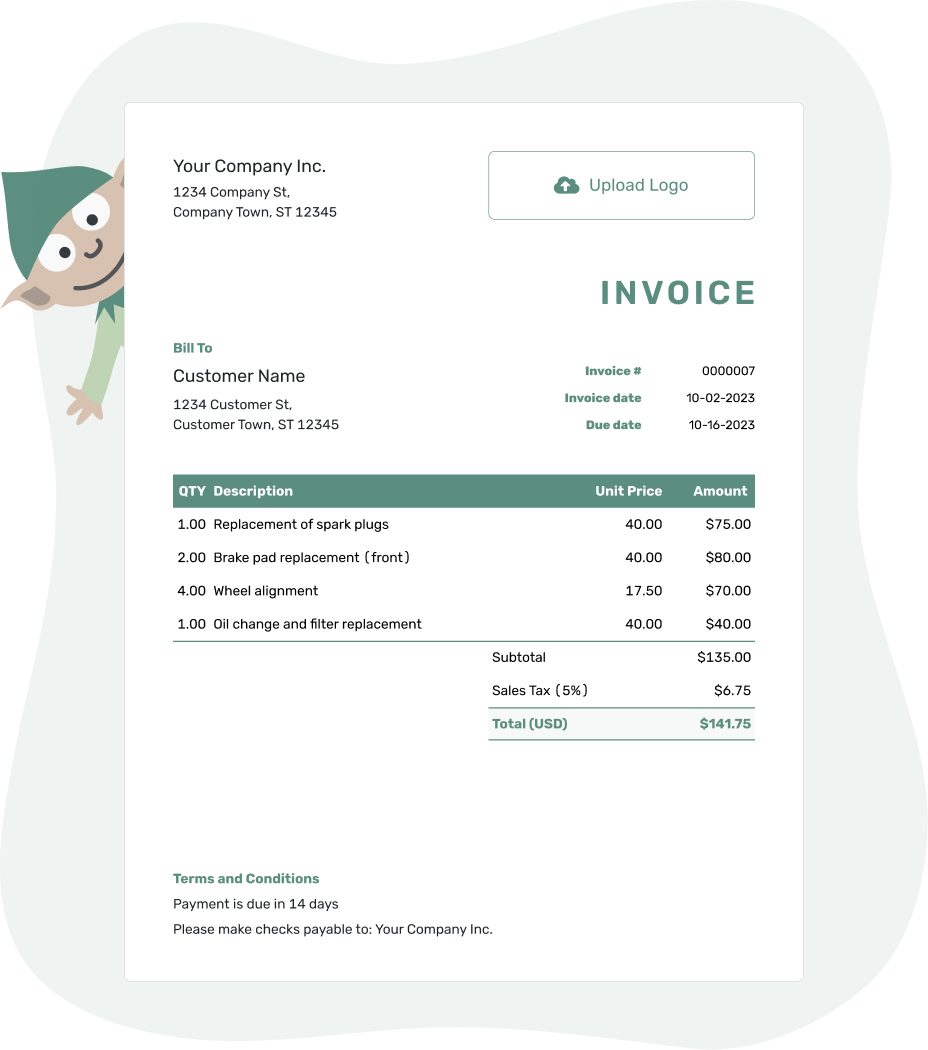
Create the invoice. Send it. Get back to work.
Find an Invoice for Your Part of the Job
Choose the trade or working relationship that matches the bill. The customer should be able to connect it to the site and the work you completed.
Construction, Contractors & Subcontractors
Start with the construction template for project billing. Use the contractor template when you bill the customer directly. Choose the subcontractor template when another contractor pays for your part of the job.
Building Systems & Inspections
Choose the service you performed. Name the inspection, service call or installation so the customer can match the charge to the visit.
- Electrician Invoice Template
- Home Inspection Invoice Template
- HVAC Invoice Template
- Plumber Invoice Template
Repairs, Finishing & Property Projects
These pages cover handyman jobs, painting, pool service and roofing. Choose the one that helps you describe the work you completed.
How to Create a Construction or Trade Invoice
Use the job record and agreed pricing. Keep this invoice focused on the work or billing stage it covers.
- Add Your Business: Enter your business name and billing contact details.
- Add Your Logo: Use the same logo as your other job documents.
- Choose Who Pays: Check whether you bill the owner or another contractor.
- Set the Number and Dates: Check the invoice number, billing date and payment due date.
- List the Completed Work: Name the site. Add labor, materials or the agreed stage fee.
- Review Tax and Totals: Check tax on the charges. Docelf calculates the total.
- Add Terms and Send: Add the contract reference and payment instructions in Terms and Conditions. Review the invoice, then email it or download a PDF.
How to Fill In Trade Invoice Line Items
Show the units you charged for, such as hours, gallons or individual materials. For a fixed-price job, use the agreed fee instead of adding labor and materials already included in that price.
This fictional repainting job uses USD. In this example, 8% tax applies to the $140.00 of paint and caulk. Labor is untaxed here. Use your own prices and applicable tax treatment.
| QTY | Description | Unit Price | Amount |
|---|---|---|---|
| 10 | Interior repainting labor — hours | $65.00 | $650.00 |
| 3 | Interior wall paint — gallons | $42.00 | $126.00 |
| 2 | Paintable trim caulk — tubes | $7.00 | $14.00 |
| Subtotal | $790.00 | |
| Sales Tax (8% example) | $11.20 | |
| Invoice Total | $801.20 |
What to Include in Construction and Trade Invoice Terms
Use Terms and Conditions to identify the site and work period. Refer to the contract's payment schedule so the customer knows what is due for this bill.
Keep approved changes and warranty information consistent with the agreement. Check the agreement and local requirements before adding fees or new conditions. Adjust the example to the stage you are billing.
Example: Terms and Conditions
- This invoice covers [Completed Work] at [Job Address] during [Work Dates].
- The listed work and approved changes follow agreement [Contract Reference].
- The invoice total is due on [Due Date] by [Accepted Payment Method].
- Please include [Invoice Number] and [Project Reference] with payment.
Bill the Work You Have Finished
Bring the job details into one invoice. Docelf totals the charges. Send the bill with a clear due date and project reference.
Match the Charge to the Work Completed
A service visit and a project-stage bill need different explanations. Use the one that matches your agreement.
Service Visit
Name the visit date and work performed. List a service-call fee or parts separately only when they are agreed extra charges.
Project Stage
Name the completed stage and the amount billed for it. Keep the remaining contract work separate from the amount due on this invoice.
Approved Change
Describe the extra work and use its approval reference. Let the customer see the added work and its price, not just a higher total.
Final Balance
Check earlier invoices and payments against the job record. Do not bill completed stages twice or deduct a payment already applied to a different invoice.
Keep Supporting Job Records With the Bill
Add a short work summary or an approved change-order attachment when it helps explain the charge. Include permit, equipment or subcontractor costs only when they belong in the agreed bill.
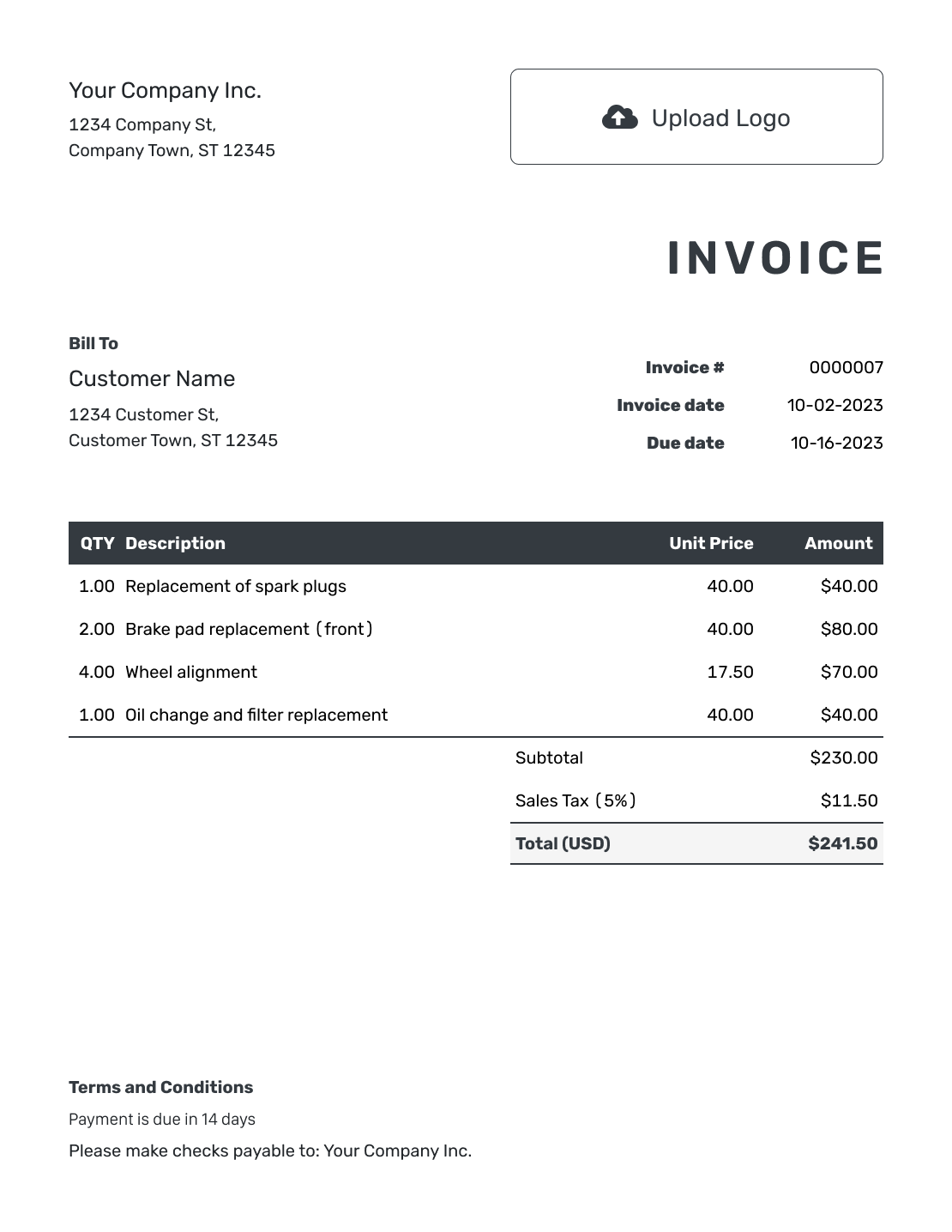
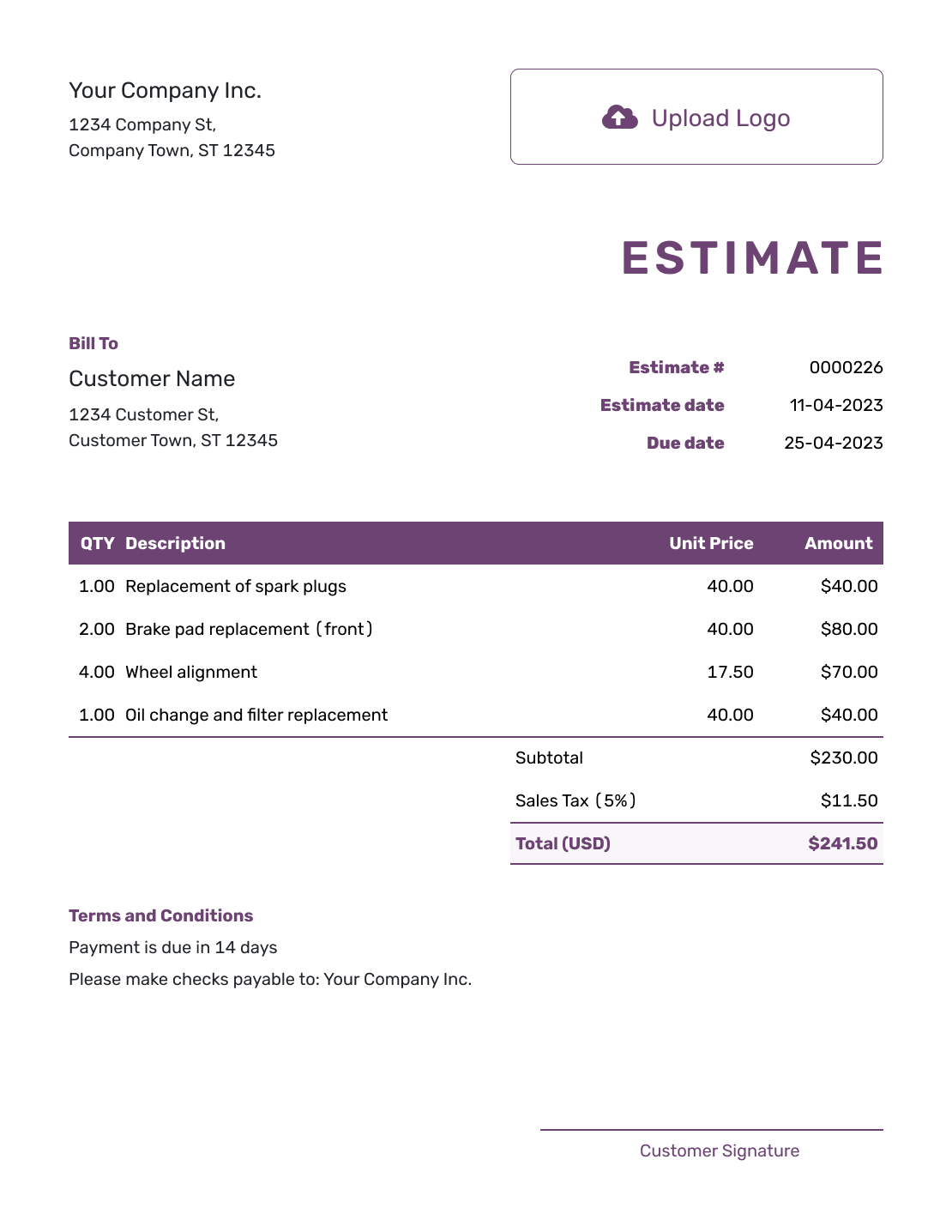
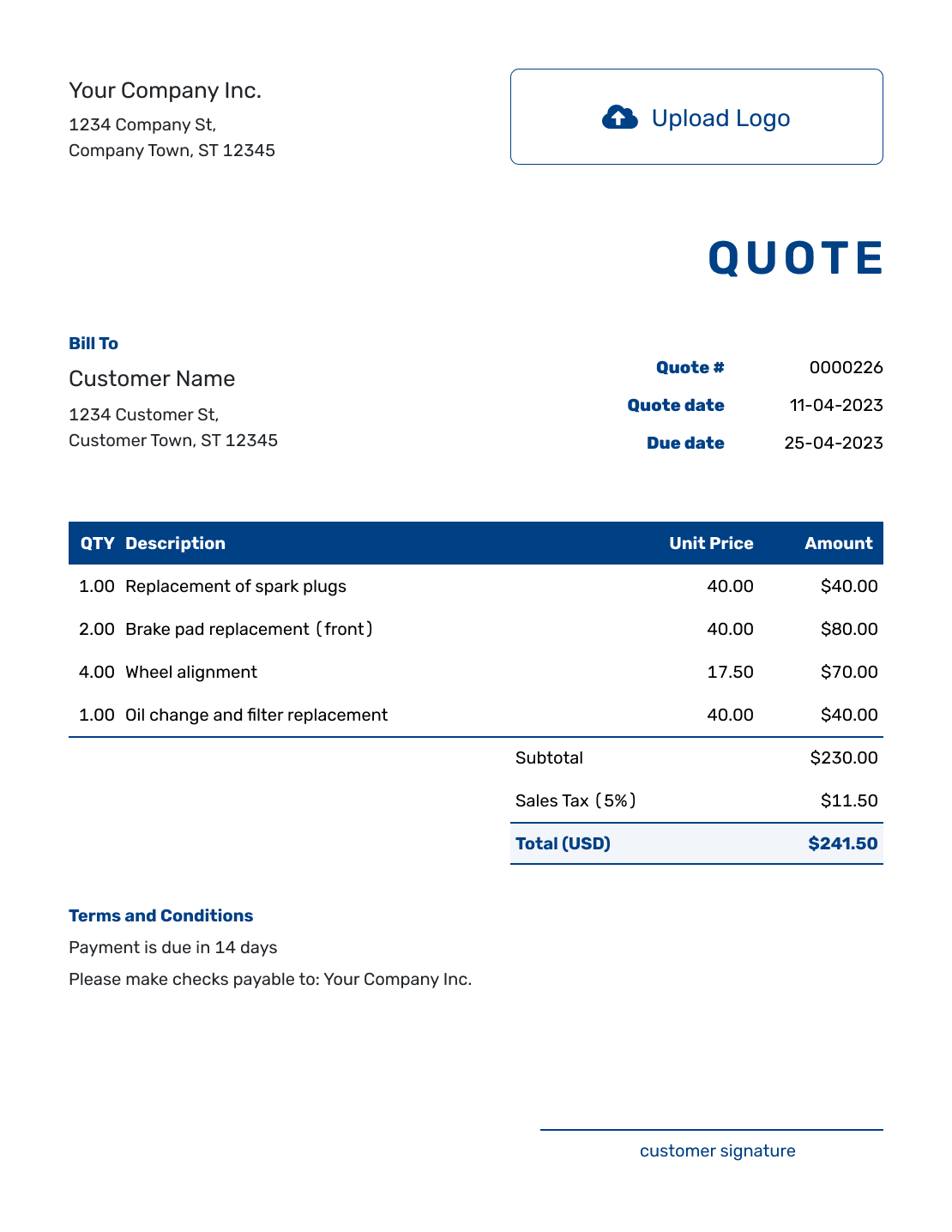
Already have an estimate or construction quote? Create the invoice from it in Docelf. Check the copied work description and prices against the completed job.
Choose a File for Trade Billing
Use the format you already work in. Word and Google Docs leave room for job descriptions; Excel and Google Sheets suit bills with several quantities and rates.
After You Send the Trade Invoice
Docelf’s invoice history shows whether your emailed invoice arrived and the customer opened it. If payment is overdue, check the payment record before following up.
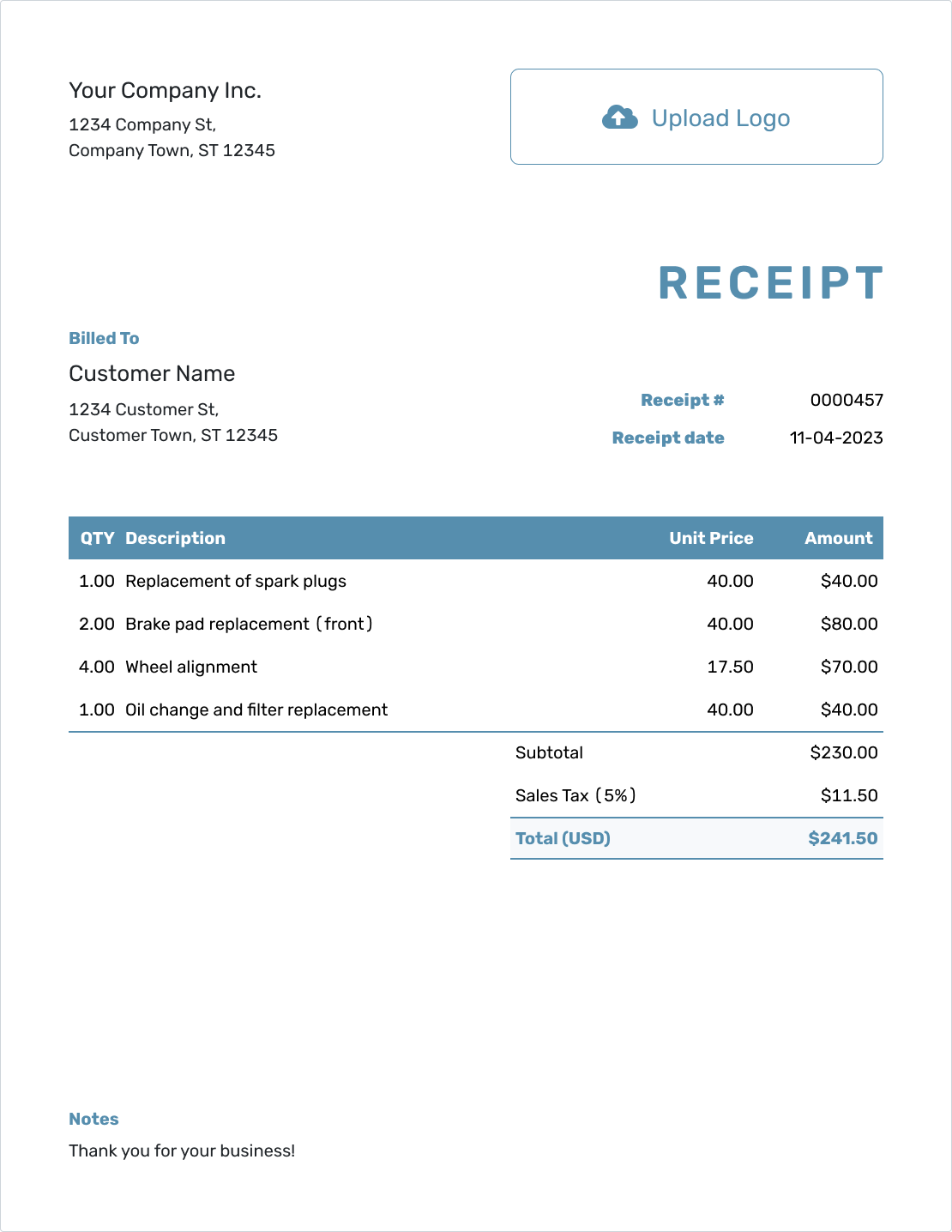
When money arrives, record the payment against the invoice it belongs to. You can then create a receipt from that invoice to confirm the amount received.
More Templates for Job-Based Billing
Browse nearby service categories, or choose a billing type for deposits and work periods.
Construction and Trade Invoice FAQs
-
What is a construction or trade invoice template?
It is a starting layout for billing work at a job site. Add the trade-specific details the customer needs, such as the service date, completed stage, labor or materials.
-
Which template should a contractor or subcontractor use?
Use the contractor template when you bill the customer or owner directly. Use the subcontractor template when you bill another contractor. Include the project reference and billing details for whoever pays you.
-
What should a contractor include on an invoice?
Identify the customer and job address. Name the work or stage covered. List the agreed charges and show when payment is due. Add the invoice number, work dates and any supporting reference needed to check the bill.
-
Should I separate labor and materials?
Separate them when that is how you priced the job or when the breakdown is useful. For hourly work, show hours and rates. Do not add the same labor and materials again beside a fixed fee that already covers them.
-
Can I invoice for a project phase or progress payment?
Yes. Name the completed stage or work period and show the charge for that stage. Keep it distinct from previous invoices and future work. Deduct only payments recorded against that invoice.
-
How should I show a change order on the invoice?
Describe the approved extra work on its own line and include the change reference. Use the agreed charge. Show the added charge clearly instead of only increasing the original total.
-
Can I create an invoice from an estimate or quote?
Yes. Create the invoice from the estimate or quote in Docelf. Check the copied job details, quantities and prices against the work this bill covers. Update the due date and payment instructions before sending.
-
Can I use Word, Excel, Google Docs, or Google Sheets?
Yes. Choose a document format for longer job descriptions or a spreadsheet for several quantities and rates. The trade guidance helps you decide what to enter; the file format determines where you edit it.
Ready to Send the Job Invoice?
Finish the paperwork for the work you are billing now.
- Name the site and completed work
- Check the charges and invoice total
- Send the invoice with a clear due date