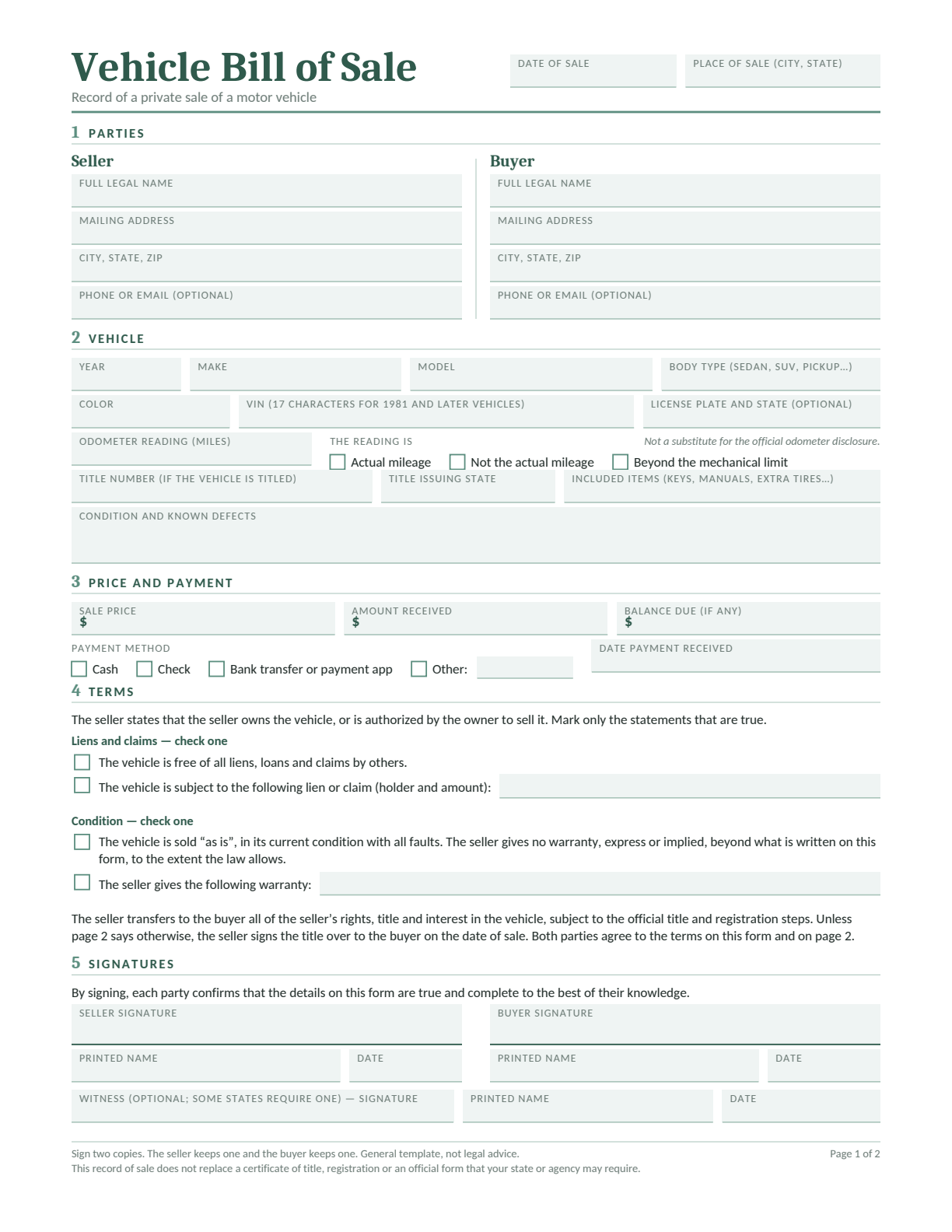
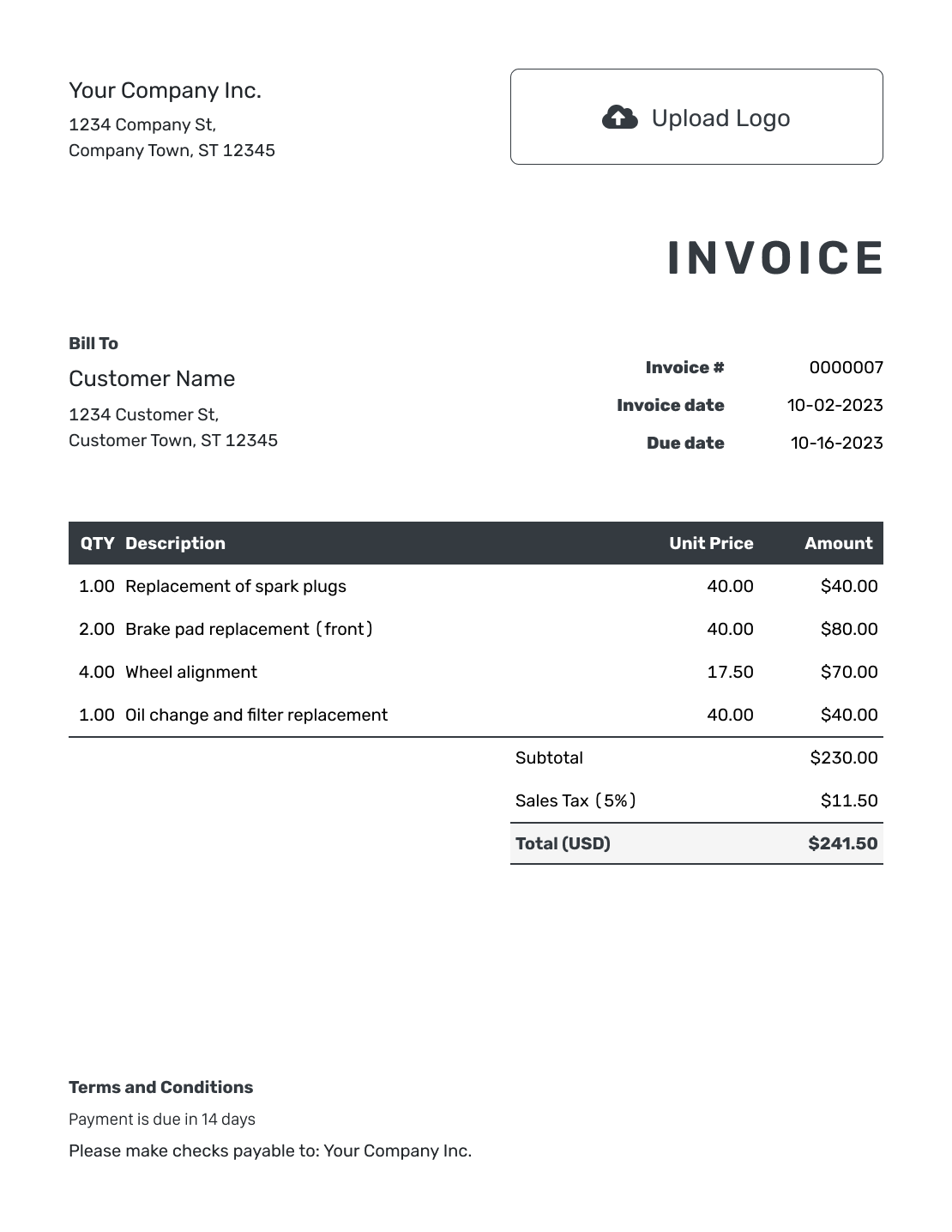
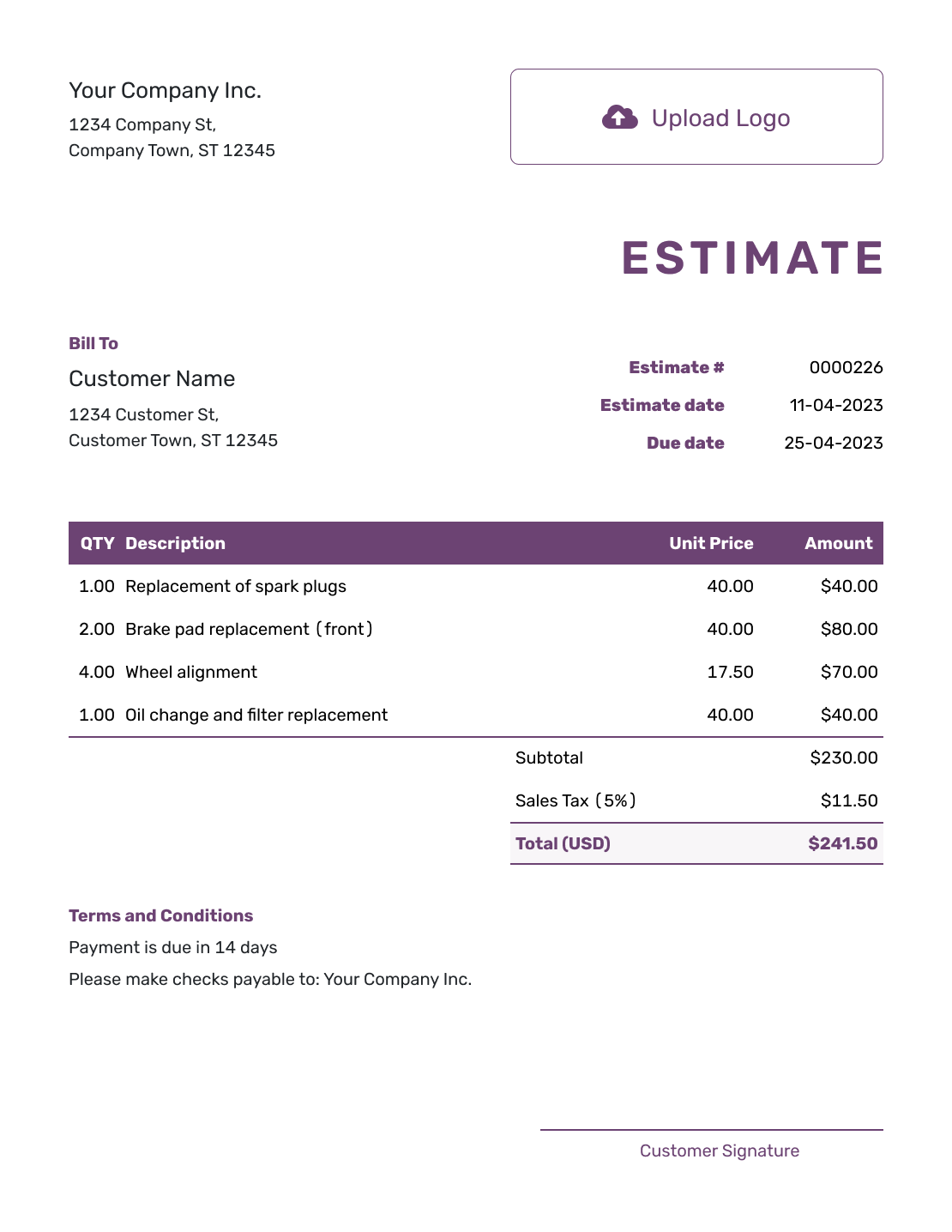
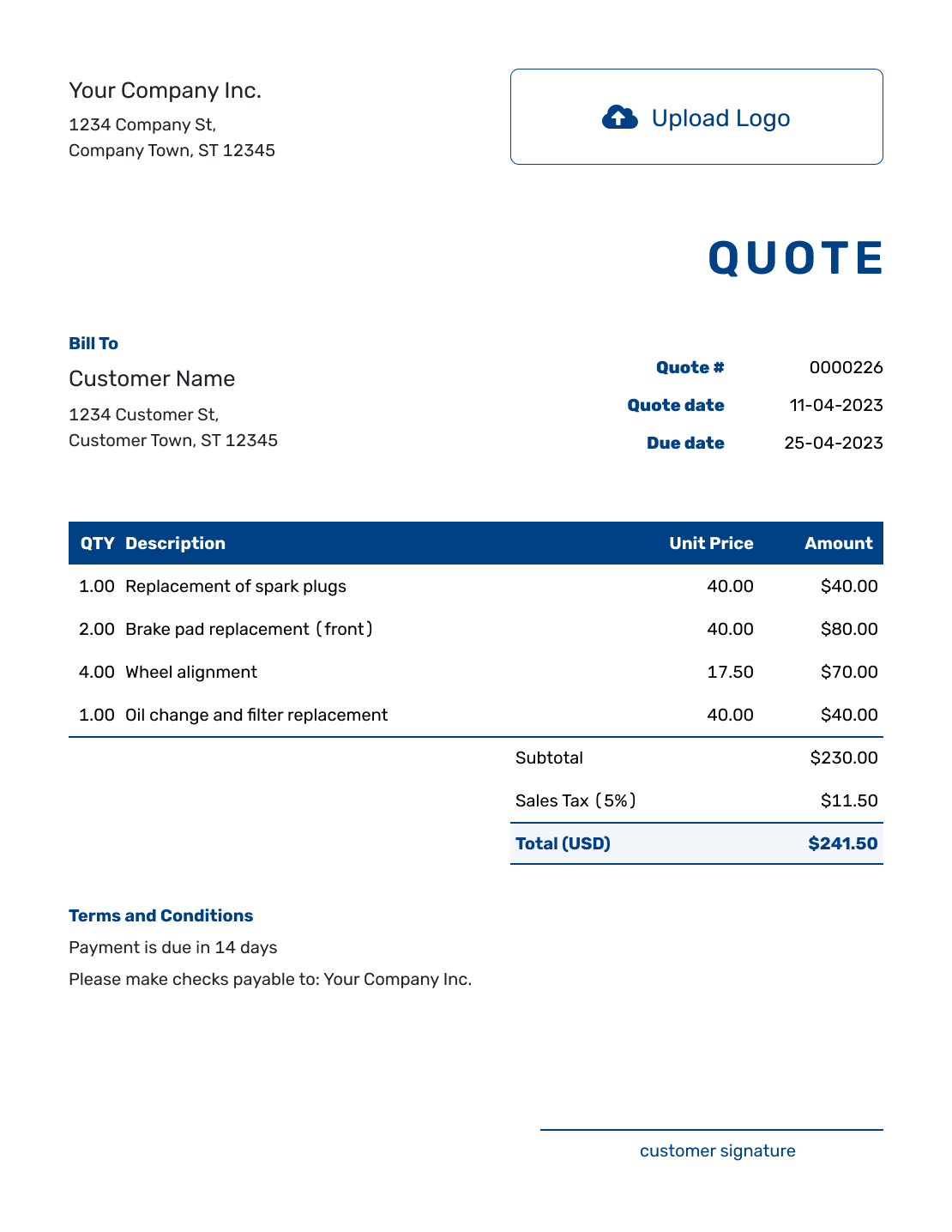
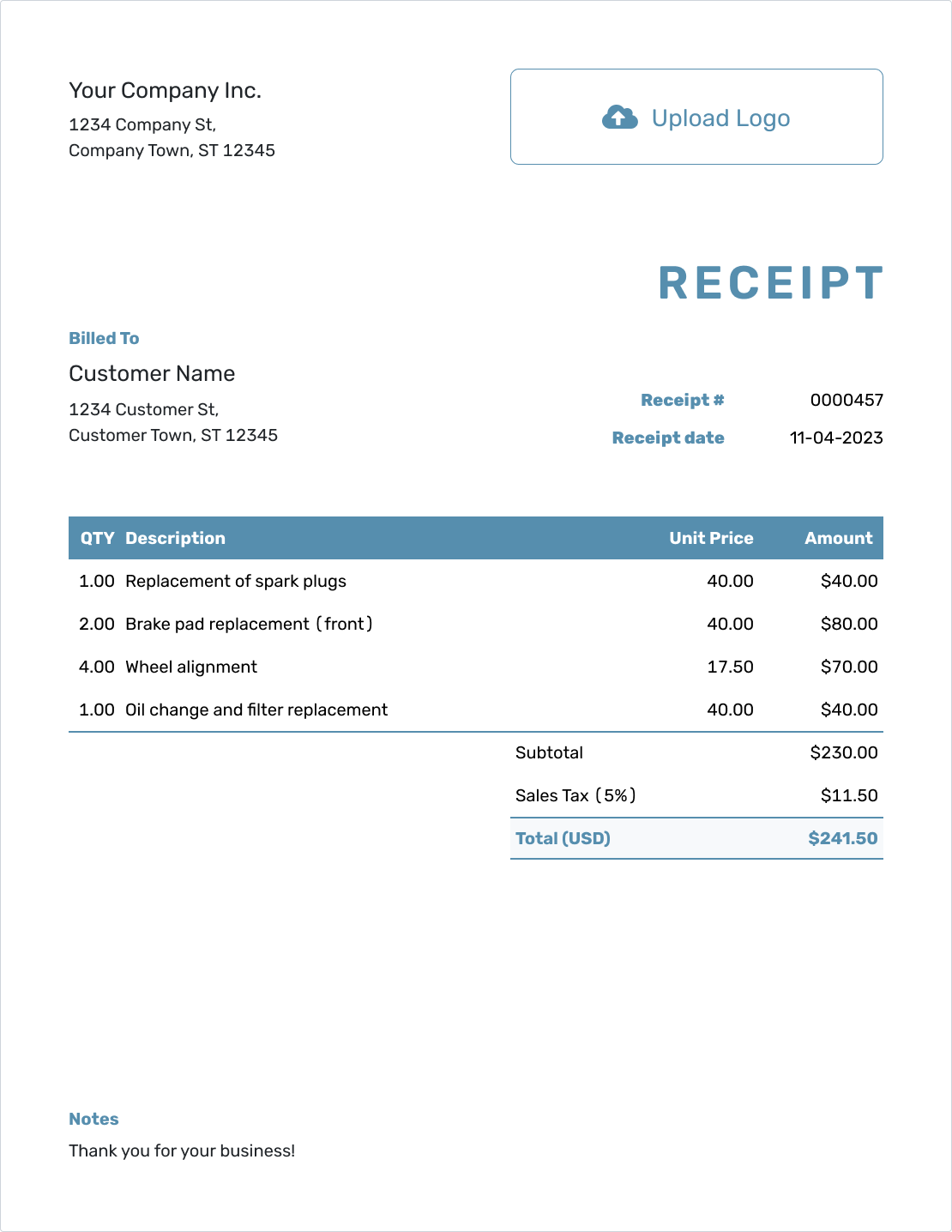
Record the seller and buyer, the vehicle’s VIN and mileage, and the price agreed for the sale. Keep the amount received separate from any remaining balance. Describe known defects and list included keys, documents and equipment.
Edit in Word or Google Docs, type into the fillable PDF, or print the blank PDF to complete by hand.
In Google Docs, sign in and choose Make a copy. Use page 2 for extra terms, then keep both pages together.
A New York bill of sale provides proof of the transaction: the parties, property, date and price. The title or transferable registration provides the ownership evidence that goes with it.
DMV’s transfer instructions distinguish those two records. A bill of sale alone does not establish acceptable ownership. Use the general template for fuller payment and condition terms and MV-912 when assembling the official transfer papers.
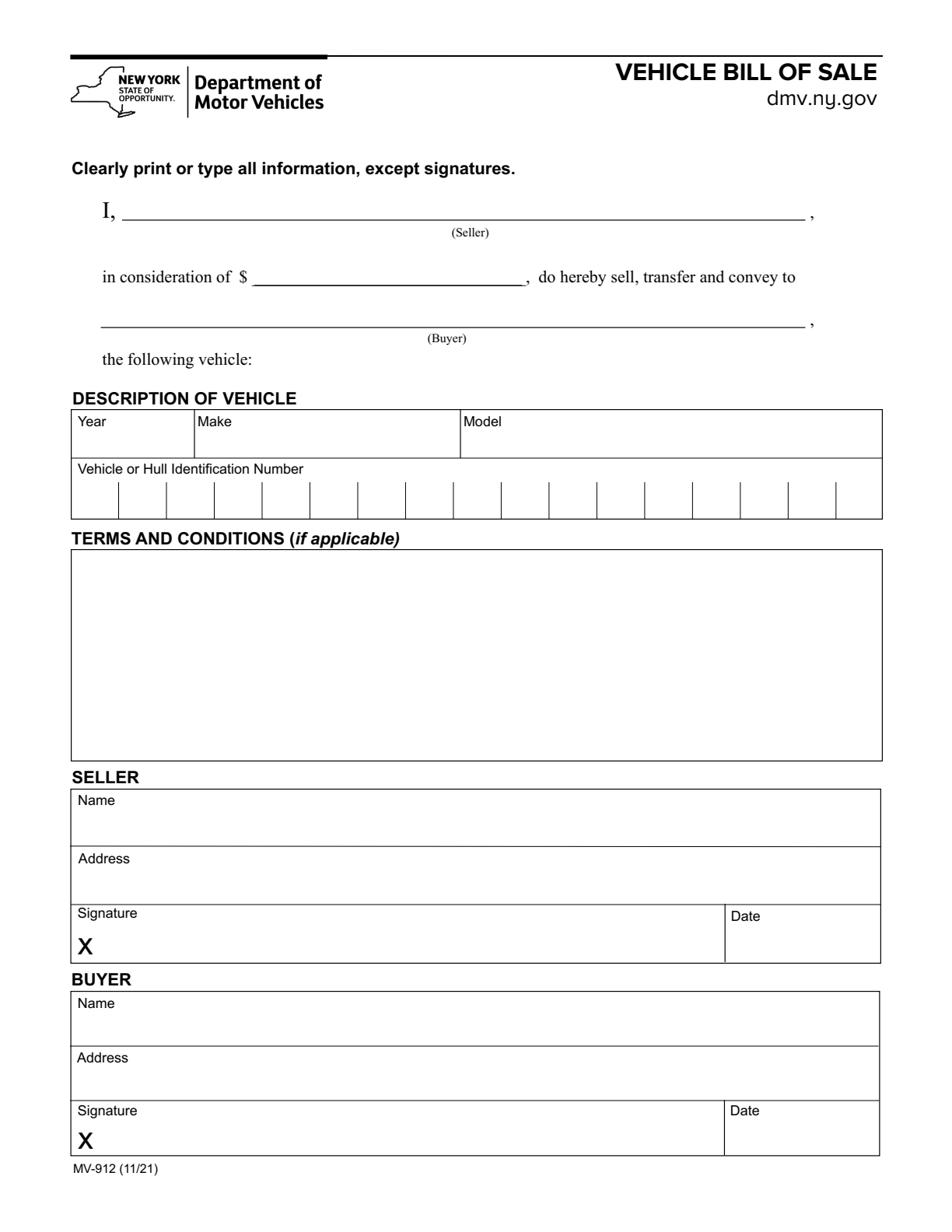
New York MV-912 Vehicle Bill of Sale
MV-912 records a vehicle or vessel sale. It has a VIN/HIN field and room for terms, plus signatures for seller and buyer.
What to Fill In
Transfer: Name the seller and buyer and enter the actual amount paid for the property.
Description: Complete the year, make, model and vehicle or hull identification number.
Terms: Record applicable agreed conditions clearly. Do not claim full payment if a balance remains.
Signatures: Both parties print their names, enter addresses, sign and date.
Keep a copy for each person. DMV’s transfer process also needs the title or other accepted ownership evidence.
Preview of the official form. 11/21. Open its PDF for the complete form and instructions.
Collect Both Proof of Sale and Proof of Ownership
For a New York vehicle from model year 1973 or later, the usual ownership document is the title. A 1972-or-older vehicle generally transfers on its transferable registration. The seller signs the appropriate ownership section and both parties sign the bill of sale. Check DMV’s acceptable ownership proofs for exceptions.
Complete the required odometer and damage disclosures. These are separate questions: an age exemption from mileage disclosure does not automatically remove the damage-disclosure requirement. Use DMV’s title instructions and MV-103 when a separate statement is needed.
Seller: Remove Your Plates and Registration Sticker
Give the buyer the signed title or transferable registration, bill of sale and any original lien release. Remove your plates and windshield registration sticker.
Prepare the registration/title application, ownership evidence, bill of sale, insurance and tax paperwork for DMV. A signed sale agreement does not give permission to drive on the seller’s plates.
A private purchase needs its own inspection after registration. DMV provides a ten-day inspection extension for a private purchase; an inspection issued to the previous registrant is not valid for the new registration.
Do Not Leave the Buyer’s Name Blank
Complete the title assignment for the actual buyer. DMV warns against transferring a title already signed over to another person without that person first obtaining their own title. Resolve missing ownership papers and alterations before completing the sale.
New York Boat Bill of Sale Templates
A New York boat sale can use the title or a transferable registration depending on the boat. Record its HIN and length so you can match it to the correct ownership document.
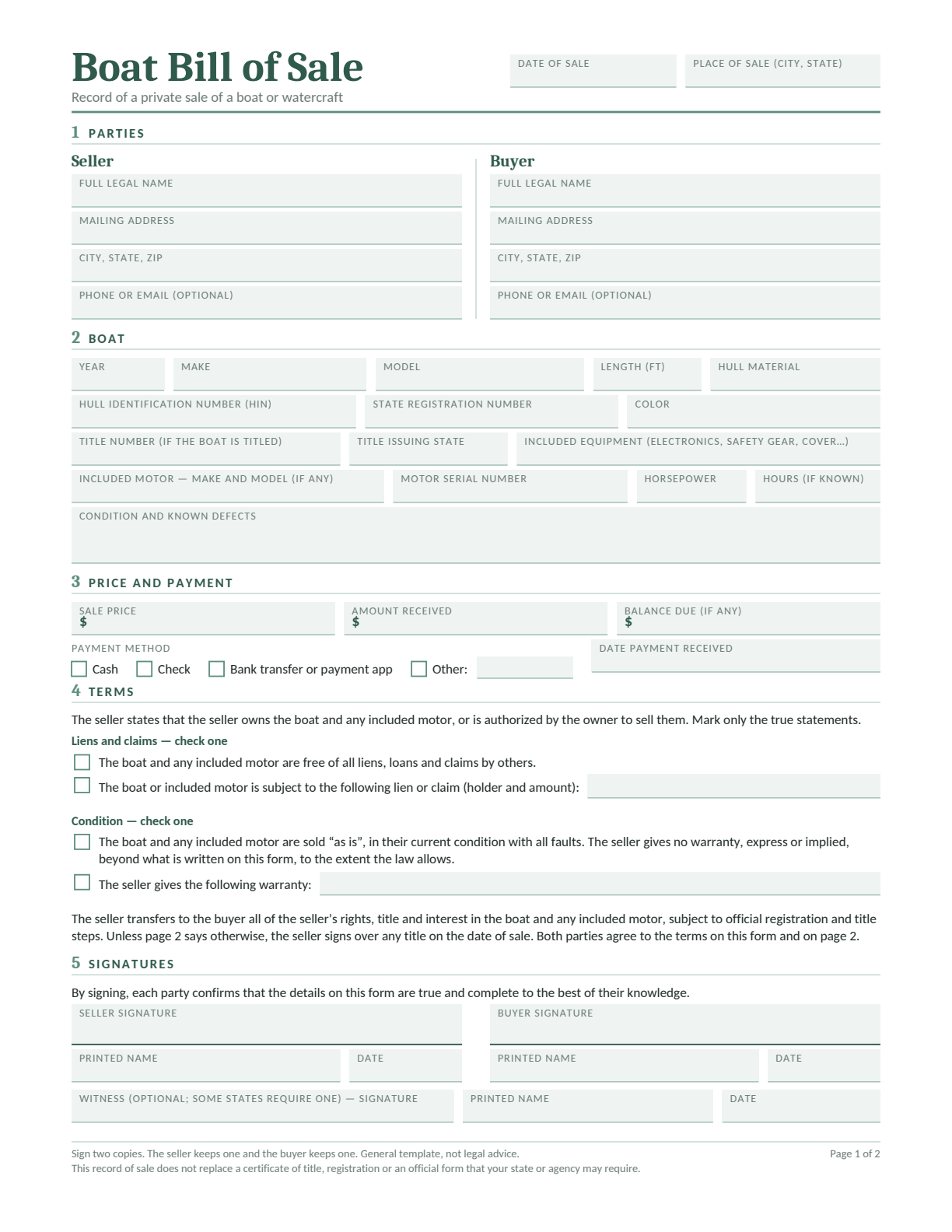
Boat Bill of Sale
Record the boat, included equipment, condition, price and payment.
New York DMV requires registration for motorized boats, including boats with electric motors, unless an exemption applies. The title threshold is different: a registered boat generally receives a title if it is model year 1987 or newer and at least 14 feet long.
For a titled boat, obtain the assigned title and bill of sale. For a boat outside the title category, obtain the transferable registration and sale record. Follow the MV-82B instructions for the application and the appropriate sales-tax evidence.
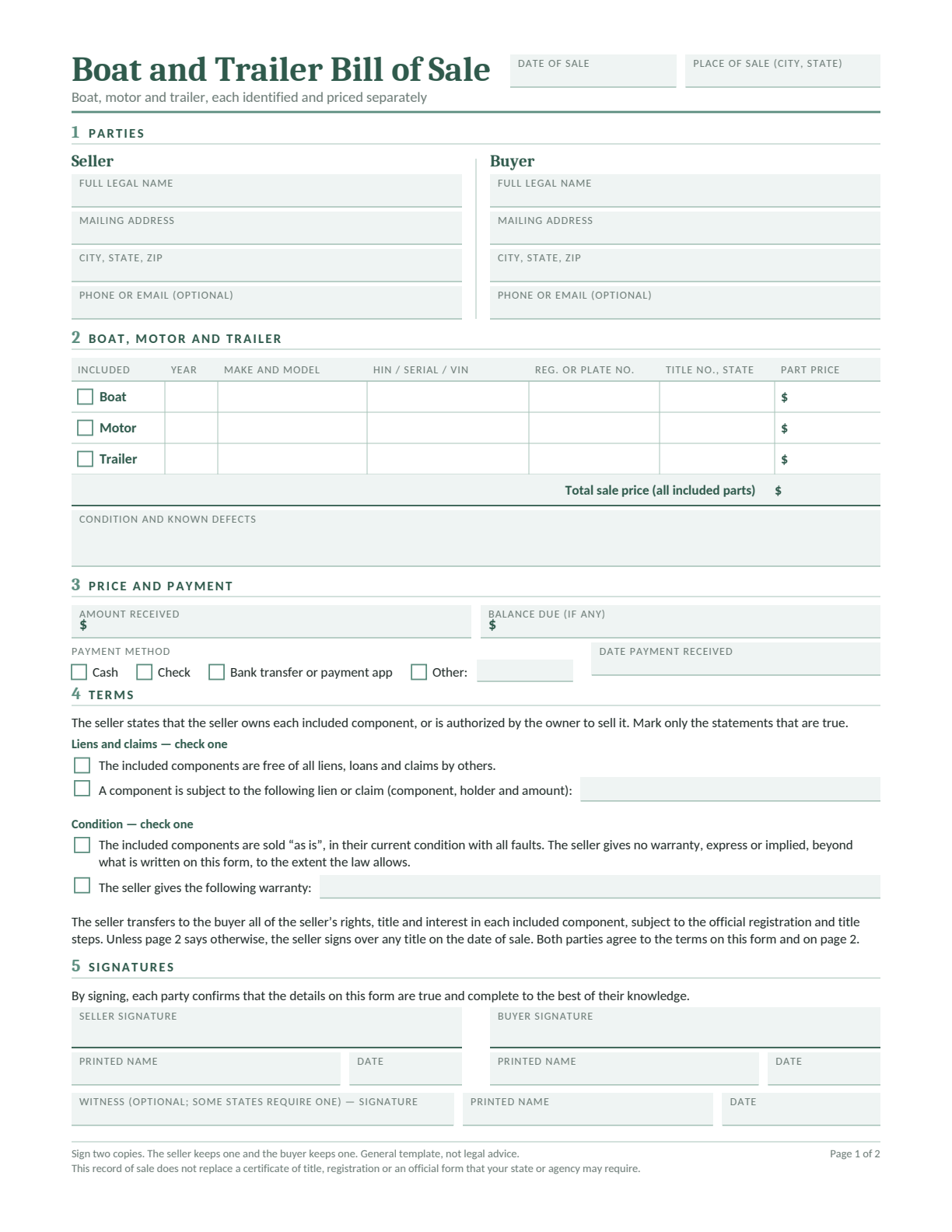
List a separately sold motor and any equipment in the agreement. The trailer has its own VIN, registration and possible title, so include its ownership papers separately in a package sale.
New York Trailer Bill of Sale
New York trailer ownership depends on model year and unladen weight. Enter the weight from a reliable record and keep the trailer VIN separate from the boat’s hull number.
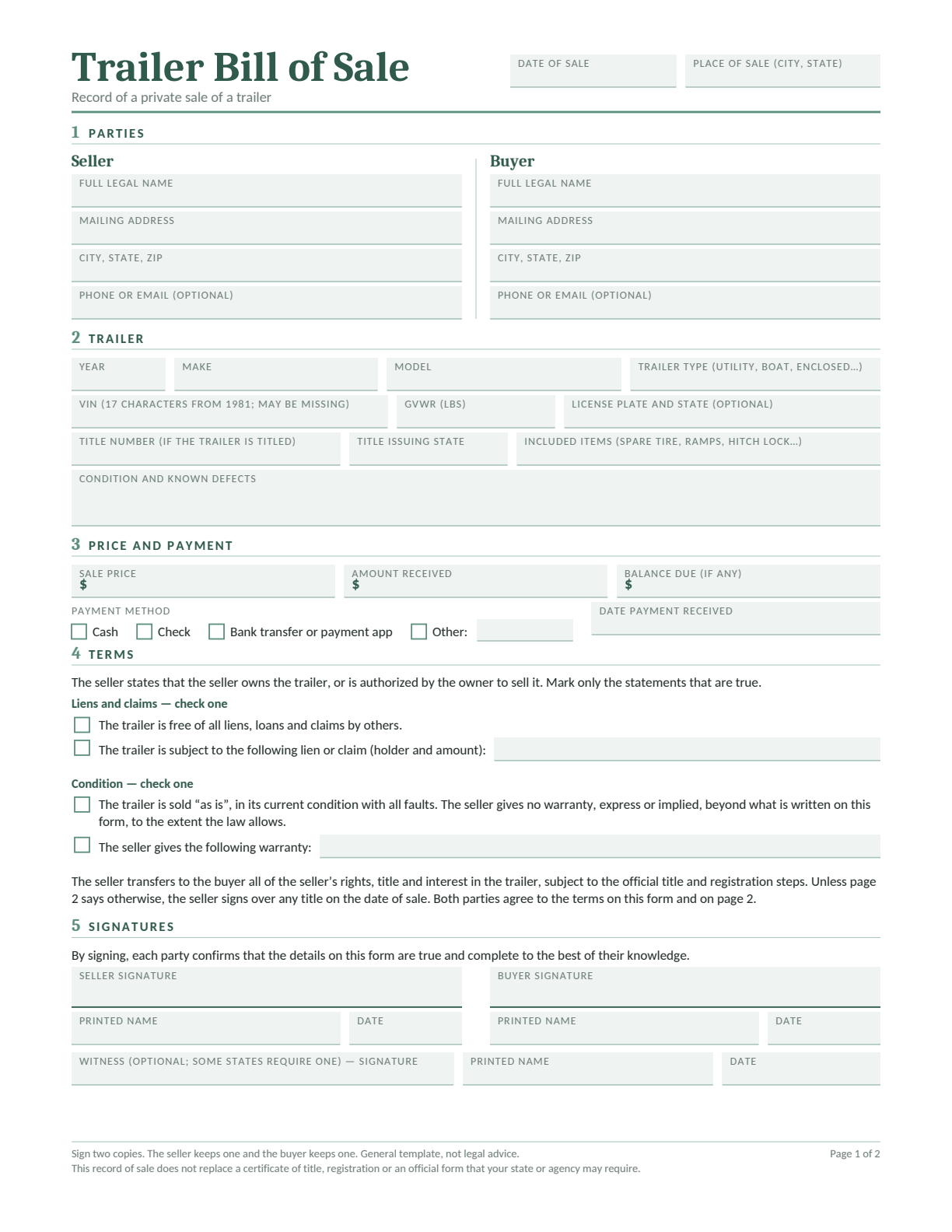
Trailer Bill of Sale
Describe the trailer and included equipment, then record the price, payment and any remaining balance. Use page 2 for extra terms, such as collection arrangements.
Edit in Word or Google Docs, type into the fillable PDF, or print a blank copy. Complete both pages and keep them with the ownership papers.
DMV titles trailers that are model year 1973 or newer and weigh at least 1,000 pounds unladen. Older or lighter trailers use a transferable registration as ownership evidence. A bill of sale accompanies the transfer in either case.
Trailer registrations expire on December 31, and trailers generally need annual safety inspections. Homemade trailers need additional identity and weight documentation; obtain DMV’s instructions before assigning an identification number or buying an unidentifiable trailer.
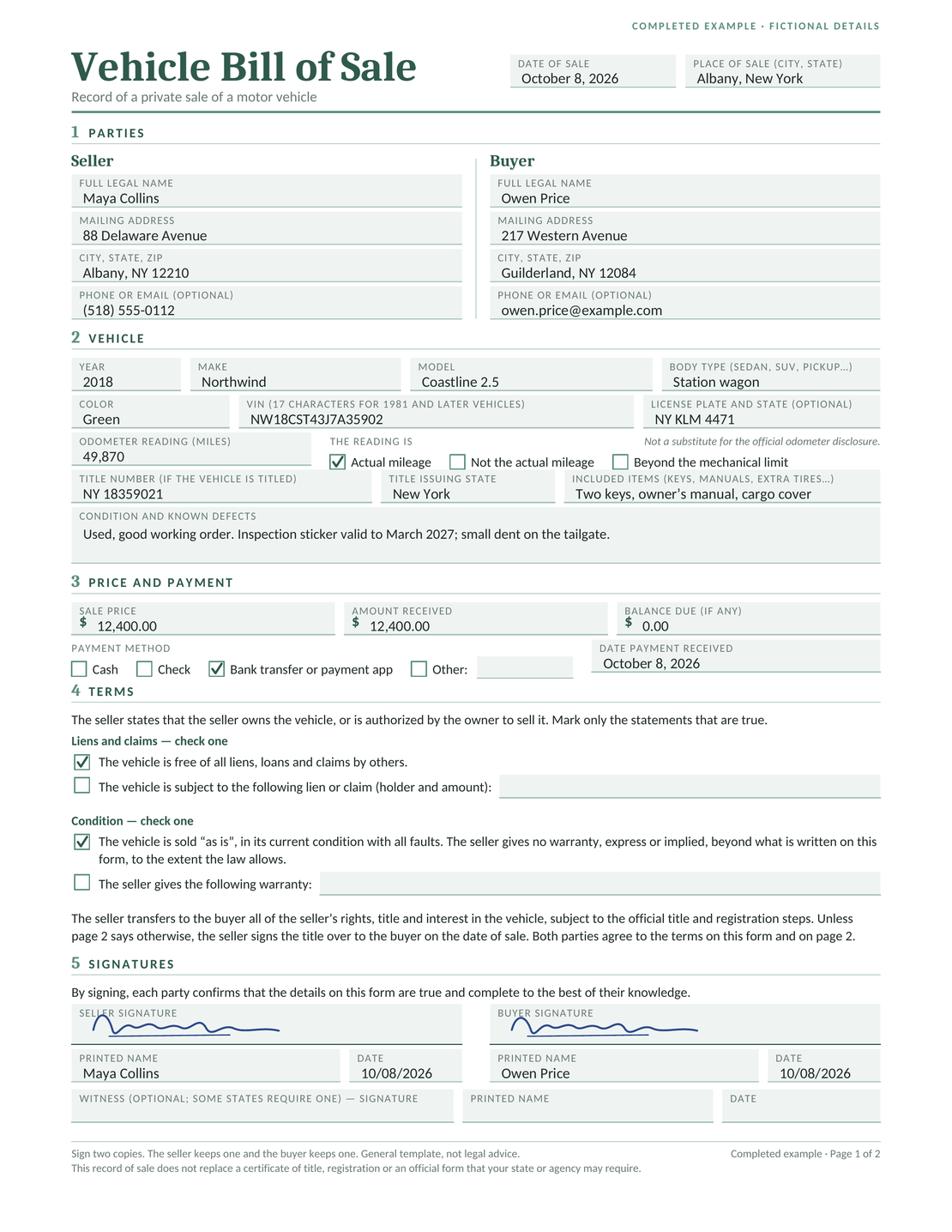
Completed New York Bill of Sale Example
Maya sells Owen a green 2018 Northwind Coastline 2.5 in Albany for $12,400. The fictional agreement records 49,870 miles, full payment and no remaining balance. It includes two keys, the owner’s manual and cargo cover.
The condition note mentions a small tailgate dent and an existing inspection sticker. That sticker does not replace Owen’s inspection after the change of registrant.
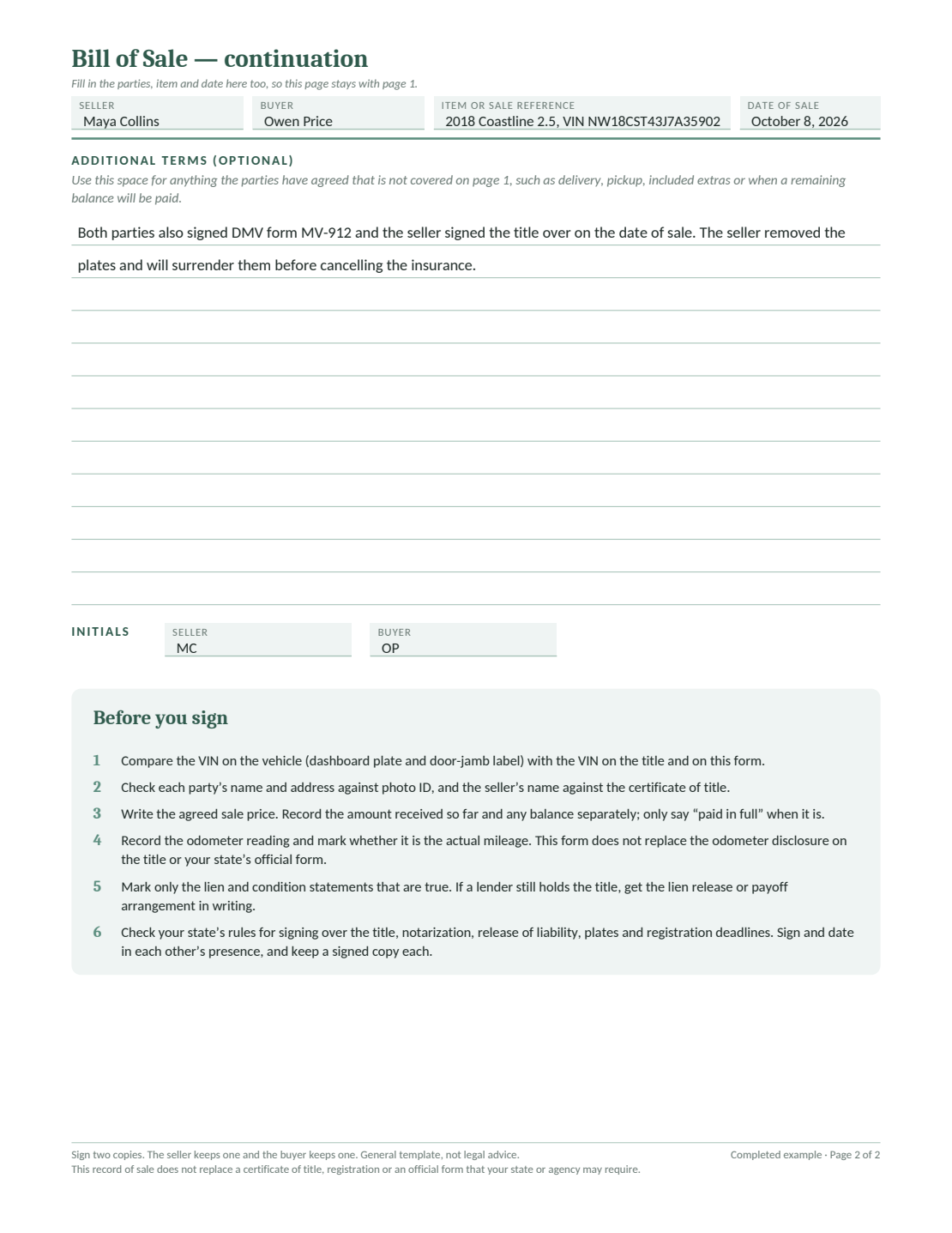
Page 2 says both parties signed MV-912 and Maya signed over the title. Maya removed the plates and plans to surrender them before canceling insurance. The example records that plan, not a completed surrender or DMV transfer.
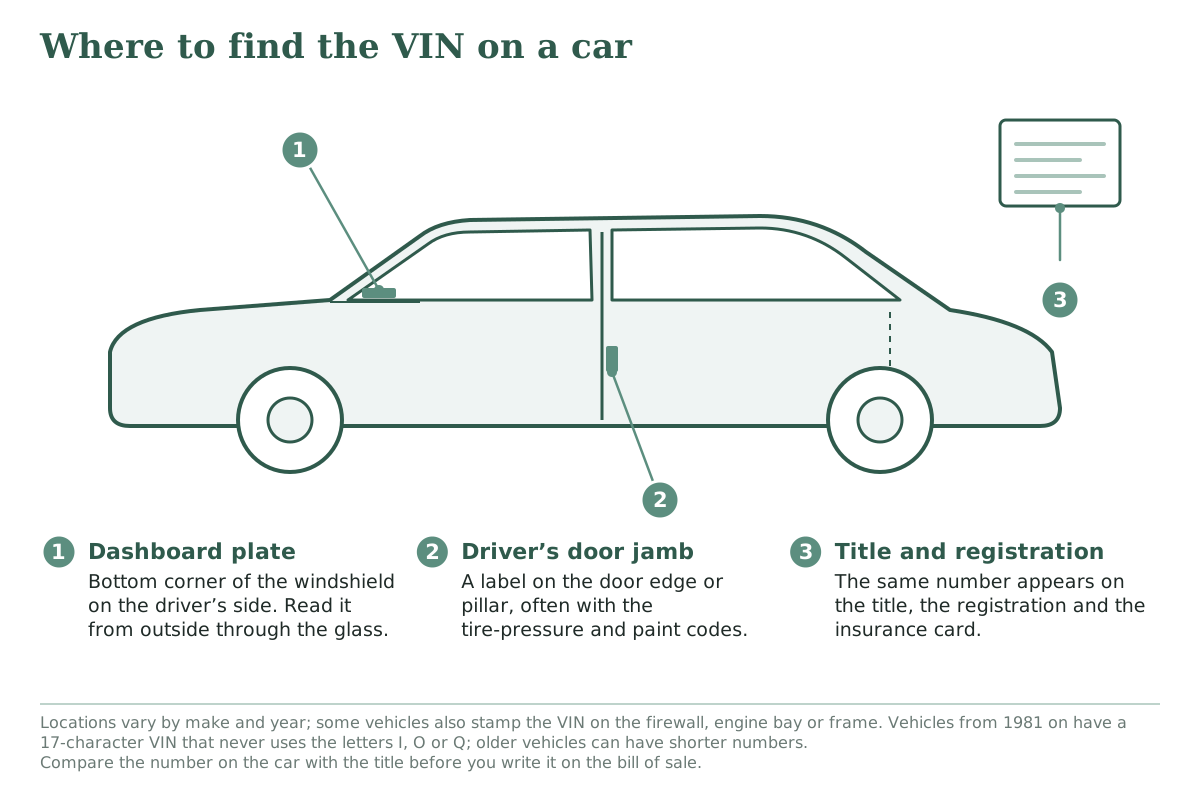
Compare the identifying number on the property with the ownership papers before copying it into your sale record.
Look through the windshield at the driver-side dashboard. Also check the label inside the driver’s door opening. Locations vary, so consult the vehicle’s manual if needed.
Resolve a missing or mismatched number with the agency handling the transfer. Do not guess from an unclear label.
Identify the correct title or transferable registration.
Match the VIN or HIN with the property.
Check any lien release and required owner signatures.
Complete the required mileage and damage disclosures.
Plan plate removal, insurance and the buyer’s registration.
MV-912 has no notary block for an ordinary New York transfer. An out-of-state ownership document or separate affidavit may have different signing requirements.
Keep the Sale Record with the Transfer Papers
Keep both pages of the signed sale record together with copies of the ownership papers and proof of payment. If a balance remains, record the later payment separately and keep it with the original agreement.
Save confirmations for any sale report, title application or registration request. A promise in the bill of sale describes what the parties agreed; the responsible person still needs to complete that action.
No. You also need the title, transferable registration or another ownership proof accepted by DMV. A sale record alone is insufficient.
New York generally uses a transferable registration for that age category. Check that it is transferable and properly signed, and obtain the bill of sale.
No. DMV says an inspection issued to a previous registrant is not valid. Follow the inspection extension issued with the buyer’s registration.
If surrendering the plates, surrender them before canceling liability insurance. Keep DMV’s receipt. Plate transfer to another vehicle follows a different process.
No. Registration and title rules differ. DMV generally titles registered boats from model year 1987 onward that are at least 14 feet long.
After 14 days, continue for
$12.99/month
only if you choose to upgrade.
We use cookies to provide you with the best possible experience. Cookies also help us analyze user behaviour so we can continue to improve our website. View our cookie policy.