How to Sell a Car Privately
Prepare for the sale, payment and handover
Before you sell your car, check how to transfer ownership and agree on a payment method you can verify.
Follow the steps below, then download the free seller checklist to bring to a sale paid in full at handover.
Document the sale and agreed terms. Give both seller and buyer a signed copy.
What Do You Need to Sell a Car Privately?
In a private sale, you sell directly to the buyer and arrange the paperwork yourself. Start with the title or other accepted ownership document. Your state’s motor vehicle agency determines which transfer forms, disclosures and seller notices you need.
A car bill of sale records who bought the car, what was sold and the agreed terms. The title paperwork transfers the ownership record. Check both before the meeting so a missing signature or document does not hold up the sale.
About This Guide
This is general information, not legal advice. Follow the official forms and transfer instructions for your sale. See our Terms and Conditions.
Your Private Car Sale in Six Steps
Check the ownership paperwork first. If another owner, a lender or a notary needs to take part, arrange that before setting the handover date.
- Check the title and transfer requirements. Confirm who must sign and how any loan will be paid off.
- Prepare the car and listing. Set a price, gather records and describe the condition honestly.
- Arrange a viewing and inspection. Check the test-drive arrangements with your insurer.
- Agree on payment and collection. Decide how you will verify the payment before handing over the car.
- Complete the sale. Coordinate payment, signatures, documents and keys.
- Finish your state’s seller steps. Deal with plates, any sale notice, registration and insurance.
1. Check the Title Before You Arrange the Sale
Match the vehicle identification number (VIN) on the car to the title. Check the owner names and read the signing instructions. If another owner is listed, find out whether they must sign too. If you are selling for someone else, confirm what evidence of authority the agency requires.
Check whether your sale needs a bill of sale, inspection or emissions document, notarized signatures or other forms. If the buyer will register the car in another state, ask them to check that state’s requirements as well.
If the Title Is Missing
Ask the issuing agency about a replacement or its approved transfer process. Electronic titles and vehicles that do not require a title have different procedures. A bill of sale does not resolve a missing title by itself. See Bill of Sale vs. Title for the difference between the documents.
If You Still Owe Money on the Car
Contact the lender for the payoff amount and instructions. Confirm who will pay the lender, how the lien will be released and when the buyer will receive the title or release document. Agree on that process with the buyer before taking payment.
Do not mark the car lien-free while a lien remains. You may not need a newly printed title after payoff: for example, New York accepts the original title with the original lien release for a transfer. Follow the procedure that applies to your title.
Check the Odometer Disclosure
Use the mileage disclosure on the title or the separate document your state requires. A mileage entry on a general bill of sale does not automatically replace it.
Under the federal age-exemption rule, model year 2011 and newer vehicles follow a 20-year period; 2010 and older vehicles follow the earlier 10-year period. A 2011 car therefore does not become exempt because of age until 2031. Other exemptions exist. See the odometer disclosure guide for help with the form.
2. Prepare the Car and Write an Honest Listing
Compare asking prices for cars with a similar year, model, mileage and condition. Use them as a starting point, then account for your car’s service history and any work it needs. Decide on an asking price and the amount you are willing to accept.
Clean the car and take clear photos of the exterior, interior, mileage and visible damage. Gather service records, spare keys and any accessories included in the price. Remove personal information from copies of records you share.
Describe the car’s condition accurately, including known faults and any title brand, such as salvage. If you promise to repair something or include an extra item, record that agreement in the sale documents. “As is” wording does not make an inaccurate description harmless.
3. Plan the Viewing and Test Drive
Agree on a suitable meeting place and allow time for the buyer to look over the car. Before a test drive, check the driver’s license and ask your insurer how coverage applies. Do not assume that any driver or use is covered by your policy.
If the buyer wants an independent inspection, agree on where it will happen, who will pay and how the car will get there. Resolve questions about the condition before signing. This gives you both a chance to agree on repairs or a different price while the sale is still being discussed.
4. Agree on the Price, Payment and Collection
Confirm the final price, what comes with the car and when the buyer will collect it. Ask your bank how to verify the proposed payment and whether it could later be reversed. Arrange the meeting around that process, especially if a lender must receive part of the payment.
For cash, arrange a suitable place to count and deposit it. For a bank check, verify it with the issuing bank using contact details you find independently. For an electronic payment, check your own account through your bank’s usual service. A buyer’s screenshot or payment email is not confirmation.
Check the Payment Before the Handover
Money appearing in your account does not prove that a check is genuine. The FTC warns that fake checks can take weeks to uncover. Do not send back an alleged overpayment or pay someone the buyer names from those funds.
If There Is a Deposit or Payment Plan
Keep the agreed sale price separate from the amount received. For example, a $1,000 deposit on an $8,000 car leaves $7,000 to pay. Recording only the $8,000 price would not show what the seller has actually received.
Agree on when the balance is due, any refund conditions and when ownership and possession will pass. Use a car purchase agreement for the terms before completion. If the buyer will pay in installments, review the vehicle payment agreement guide and the applicable requirements before committing. The checklist below is for a sale paid in full at handover.
Prepare a Record of Your Car Sale
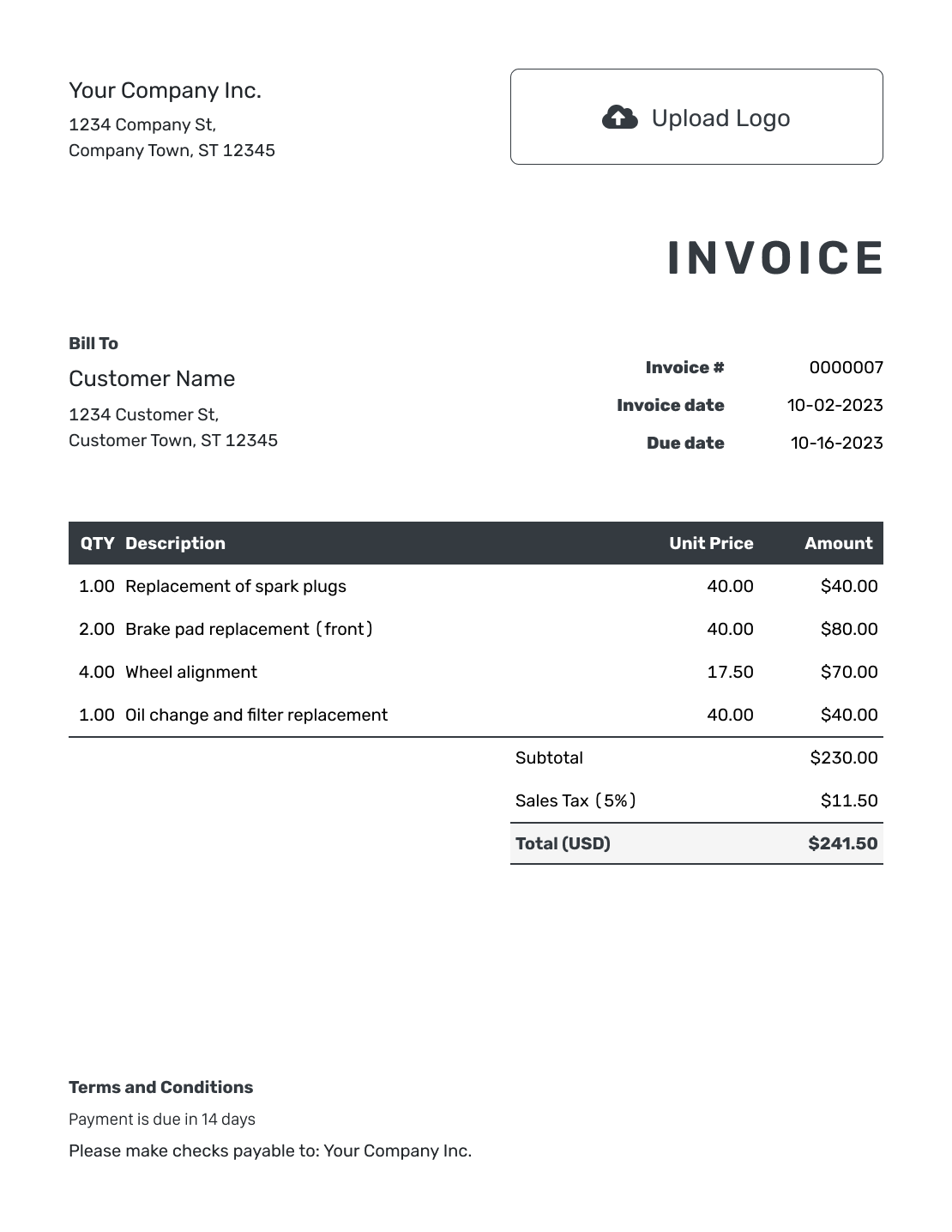
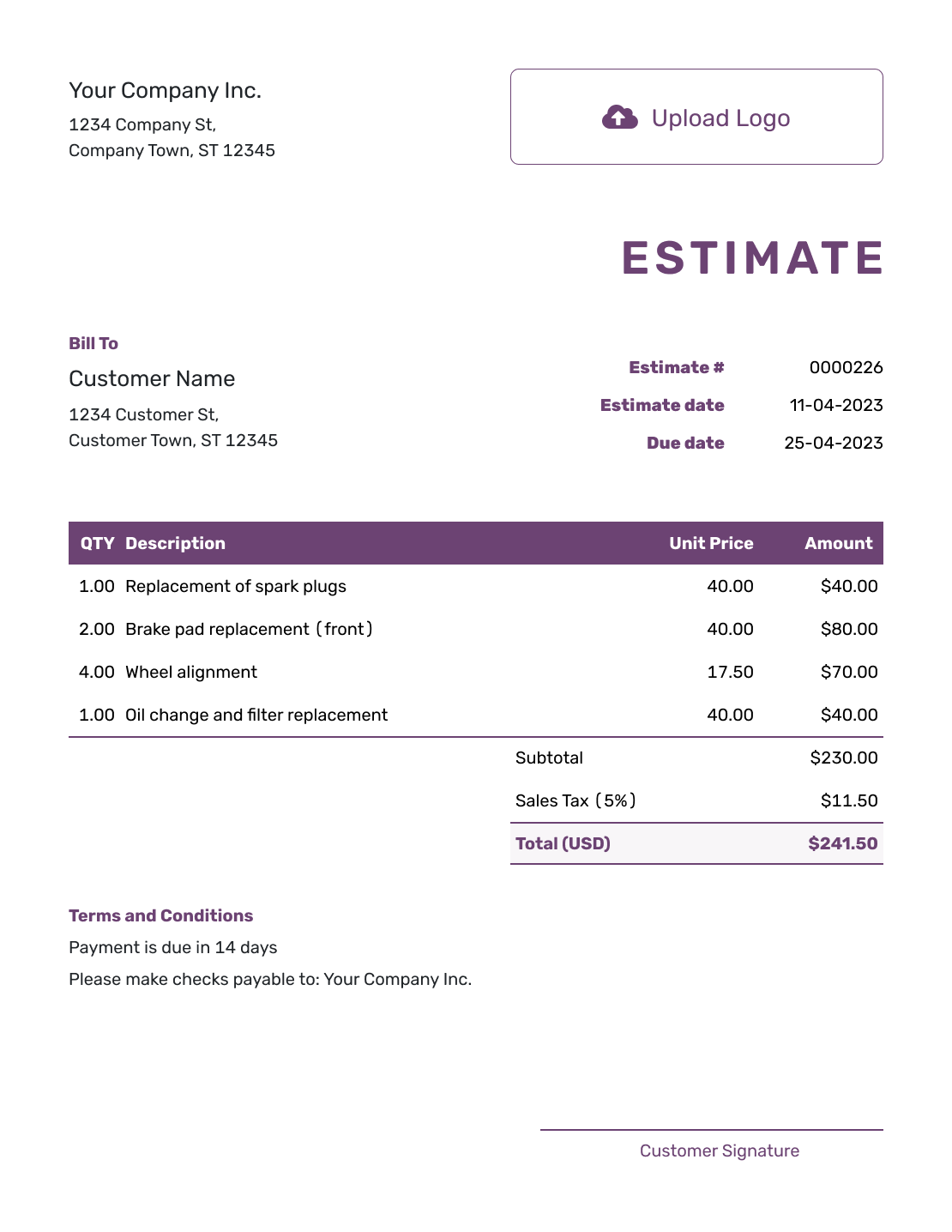
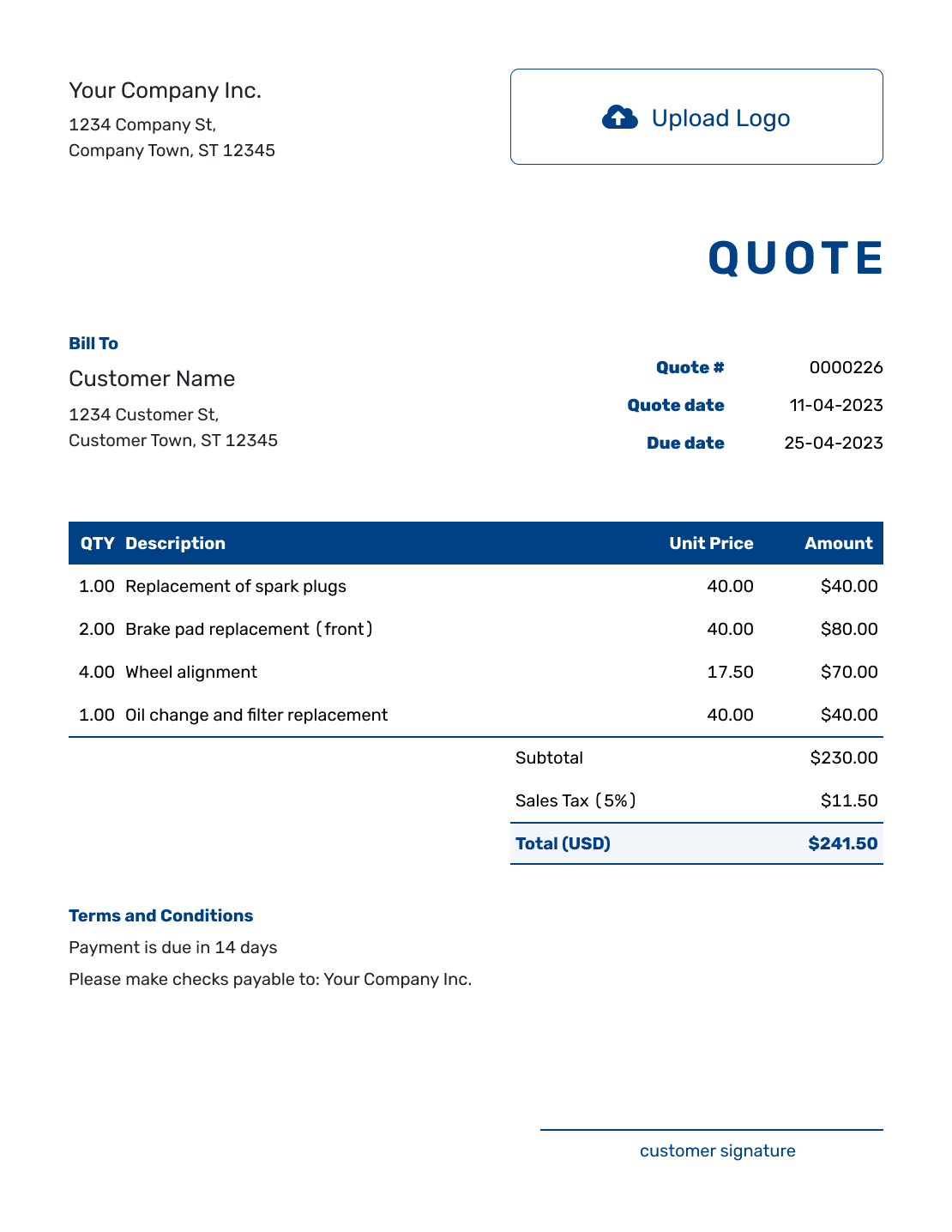
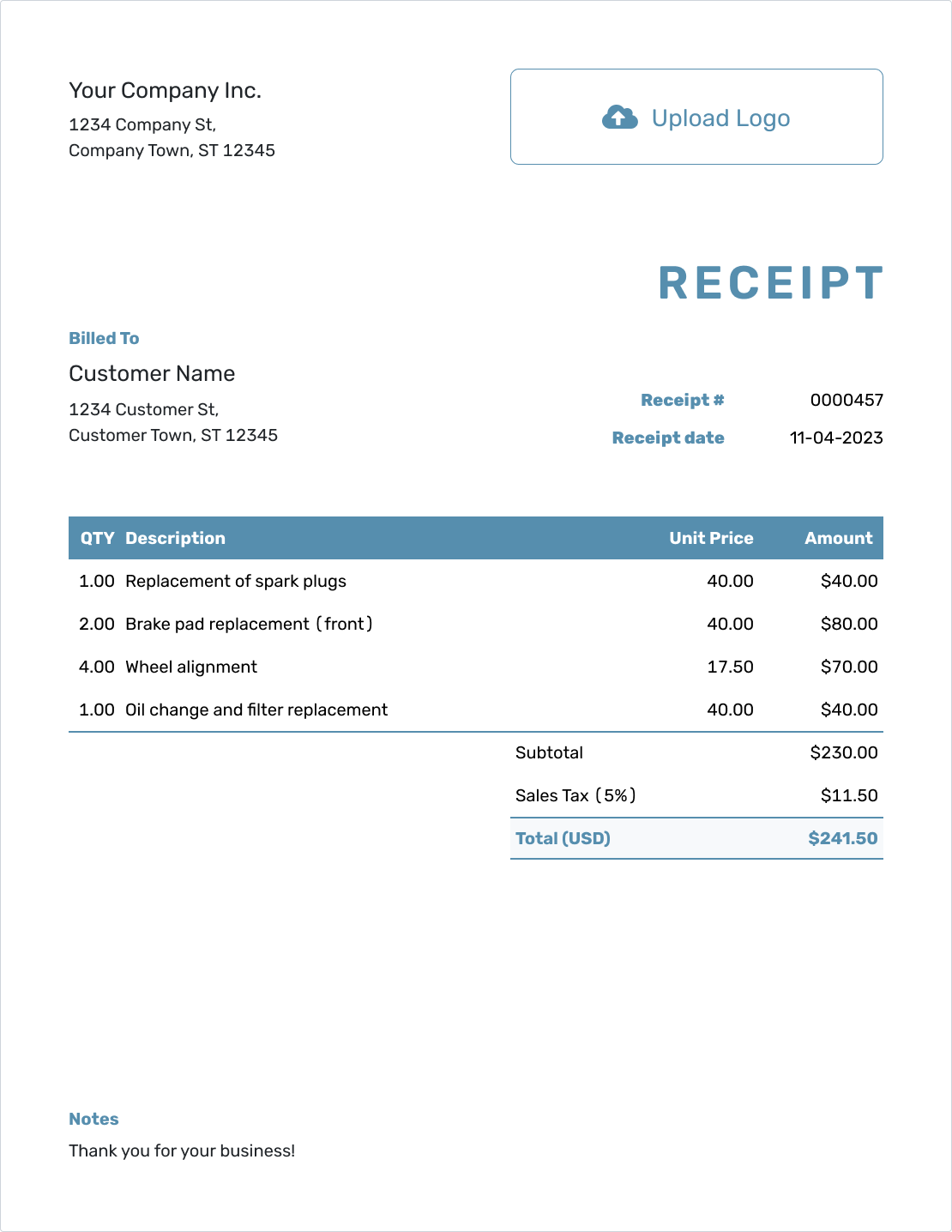
Choose a free template in Word, Google Docs or PDF. Fill in the sale details, then review them with the buyer before signing.
5. Complete the Sale and Handover
For a straightforward sale paid in full at handover, arrange for both parties and the required documents to be ready together. Follow the payment checks you agreed with your bank. If payment cannot be verified, pause the exchange.
- Review the details together. Check the buyer’s full name and address, VIN, sale date, price, payment received and agreed terms. Record known faults and any promised repairs or warranty accurately.
- Complete the required signatures. Follow the title and disclosure instructions, including any witness or notary requirements. Do not leave the buyer’s name blank on a signed title.
- Exchange the documents and car. Give the buyer the properly completed ownership documents, keep copies of the sale record, handle plates as your state requires and hand over the keys and agreed items.
Signing a bill of sale and transferring a title are separate tasks. The title transfer guide explains the fields and next steps. A lender-controlled, electronic-title or conditional sale may need a different completion process; confirm it with the lender or agency in advance.
The buyer also needs a lawful way to take the car home. They may need insurance, registration, a temporary permit or a transporter. Do not assume they can drive away on your plates or insurance. Agree on collection before the meeting.
6. Finish Your State’s Seller Steps
File any required sale or transfer notice by the deadline, and keep the confirmation. Do not wait for the buyer to register the car. Keep the signed sale record, transfer-document copies and payment evidence together in case questions arise later.
Plate and insurance rules differ. These examples show why you need your own state’s instructions before removing plates or ending coverage.
| State and task | Seller step | Official source |
|---|---|---|
| California: seller notice | Submit the Notice of Transfer and Release of Liability within five calendar days after the sale or transfer and delivery of possession. Save the confirmation. The notice does not complete the buyer’s title transfer. | California DMV: NRL |
| California: plates | Plates generally stay with the vehicle. Certain specialty plates have separate reassignment rules. | California DMV: license plates |
| Florida: seller notice | For a private motor vehicle sale or transfer with delivery of possession, notify the department within 30 days using its prescribed form. | Florida Statutes § 319.22(2)(b) |
| Florida: plates | Remove the plate when you sell the car, then follow the state’s process to return it or transfer it to a replacement vehicle. | Florida Statutes § 320.0609(2)(a) |
| Georgia: insurance sequence | Cancel the registration before canceling insurance, as directed by Georgia DOR. The car must not be driven without the required registration and insurance. | Georgia DOR: registration cancellation |
Confirm the registration and insurance sequence with the agency and your insurer. Arrange any remaining driving while the required coverage and registration are still in place.
Download the Private Car Sale Seller Checklist
Use this one-page checklist for a sale paid in full at handover. It covers what to prepare, what to check at the meeting and what to keep afterward.
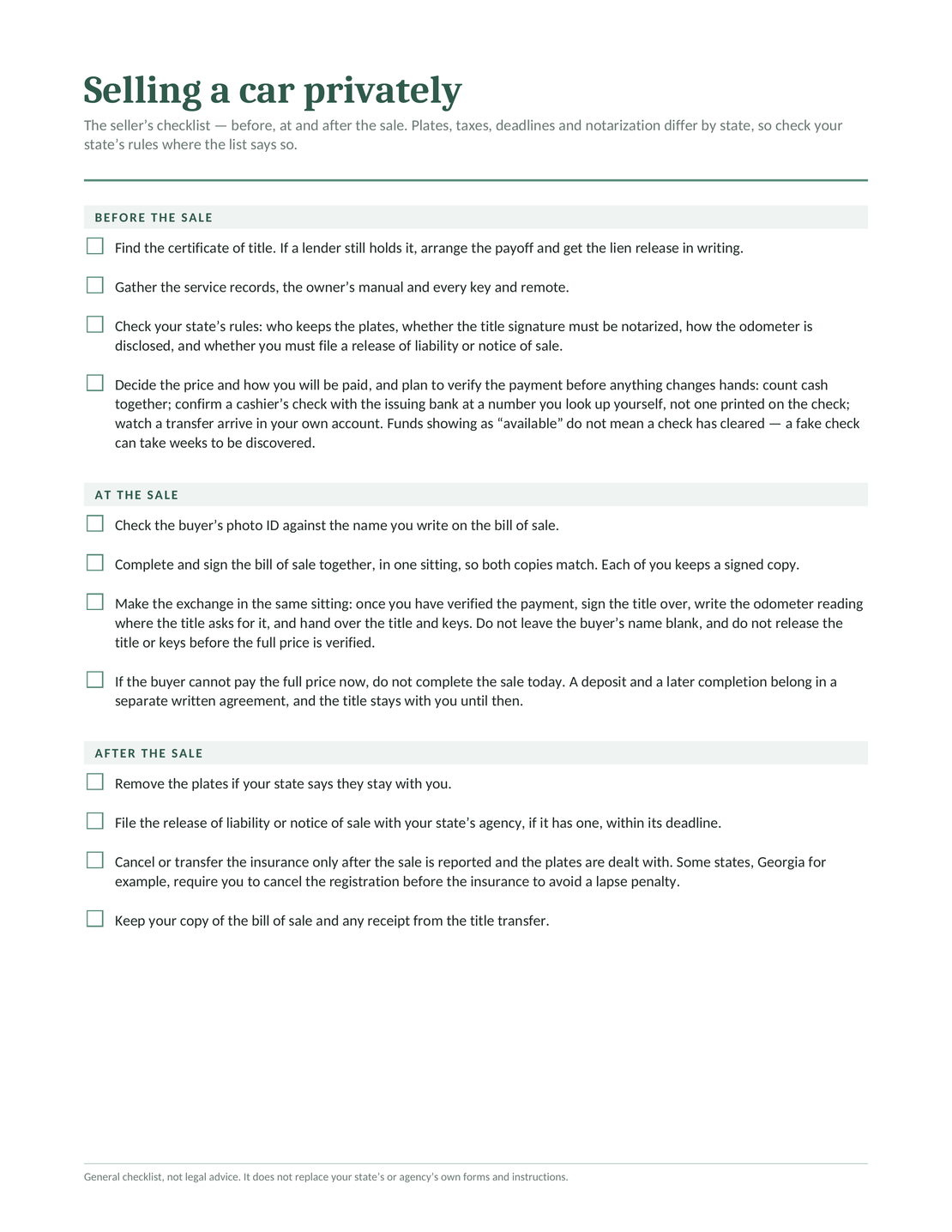
Bring a Copy to the Sale
Print the checklist and use it alongside your state’s required forms. It is a reminder for the seller, not a bill of sale or title-transfer form.
If you have agreed on a deposit or installments, settle those terms separately. For plates, seller reporting and insurance, follow the order required by your state and insurer.
Official Forms and Instructions
Choose your state to find its forms and transfer instructions. The California, Florida and Georgia examples above link directly to their official rules.
- Alabama
- Alaska
- Arizona
- Arkansas
- California
- Colorado
- Connecticut
- Delaware
- Florida
- Georgia
- Hawaii
- Idaho
- Illinois
- Indiana
- Iowa
- Kansas
- Kentucky
- Louisiana
- Maine
- Maryland
- Massachusetts
- Michigan
- Minnesota
- Mississippi
- Missouri
- Montana
- Nebraska
- Nevada
- New Hampshire
- New Jersey
- New Mexico
- New York
- North Carolina
- North Dakota
- Ohio
- Oklahoma
- Oregon
- Pennsylvania
- Rhode Island
- South Carolina
- South Dakota
- Tennessee
- Texas
- Utah
- Vermont
- Virginia
- Washington
- West Virginia
- Wisconsin
- Wyoming
- New York DMV: Certificate of Title — Ownership documents and releasing a lien.
- 49 CFR § 580.17: Odometer Disclosure Exemptions — The federal age rules and other exemptions.
- FTC: Fake Check Scam Targets Online Car Sellers — How an overpayment scam works.
- FDIC: Beware of Fake Checks — Checking a bank check with the issuing bank.
Sources reviewed .
Private Car Sale Questions
-
Start with the title or your state’s approved ownership record, the correct transfer forms, and any required lien release. Check whether the transaction also needs an odometer disclosure, inspection or emissions document, bill of sale, notarized signatures, and seller notice. Bring identification and keep a copy of what you sign.
-
If a title is required and yours is missing, ask the issuing agency about a replacement or the specific lawful process for your vehicle. Electronic titles and vehicles exempt from titling need their own instructions. A generic bill of sale does not solve a missing title or prove that you can transfer ownership.
-
Contact the lender before setting a completion date. Get the payoff amount, payment instructions, and the process for releasing the lien and title. Agree that process with the buyer. Do not sign a lien-free statement while a lien remains or promise immediate title delivery without confirming it with the lender.
-
No. A cashier’s check can be counterfeit, and funds appearing in your account do not prove that it is genuine. Ask your bank how the proposed payment will be verified before you release the signed title or car. Do not accept an overpayment and send the difference back.
-
Follow your state’s plate rules. California plates generally stay with the vehicle, with exceptions for certain specialty plates. Florida requires the seller to remove the plate and return it or transfer it to a replacement vehicle. Arrange the buyer’s lawful collection before the handover.
-
Check the order with your insurer and state motor vehicle agency before ending coverage. Georgia, for example, directs owners to cancel registration before canceling insurance. Plan any test drive and collection while the necessary coverage and registration are in place; do not assume your policy covers the buyer after the sale.
Document Your Car Sale
Prepare a car bill of sale for you and the buyer to check, sign and keep with the transfer paperwork.
- Identify the seller, buyer and car.
- Record the terms and payment received.
- Give seller and buyer a signed copy.